
 Understanding the mechanics behind automated text messaging helps you design better campaigns. The process relies on a logical framework of rules that dictate when and what to send.
Triggers and Workflows
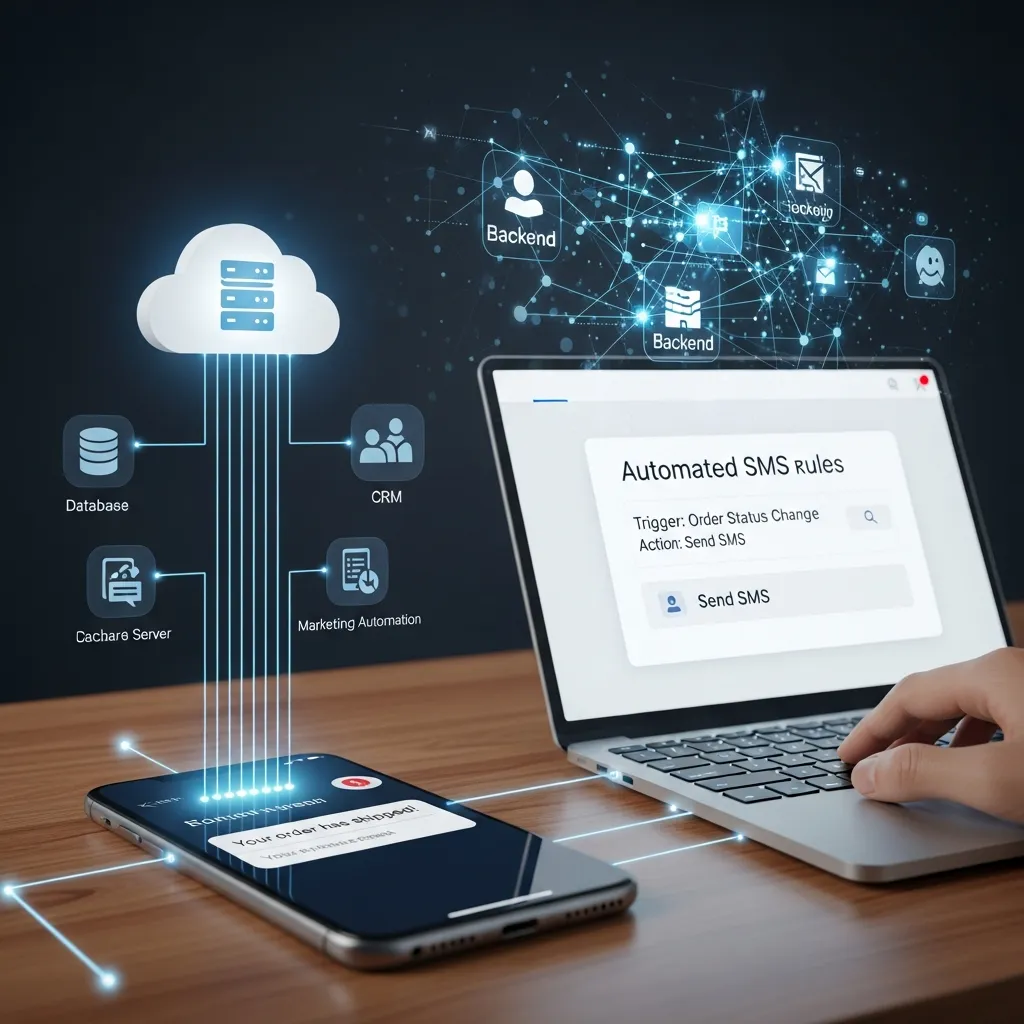
Every automated message starts with a trigger. A trigger is a specific action or condition that prompts the system to send a text.
Time-based triggers operate on a specific schedule. You might use these to send appointment reminders 24 hours before a scheduled visit, or to issue an annual birthday discount. These triggers ensure your customers receive important information right on time.
Event-based triggers react to customer behavior. If a shopper places items in their digital cart but leaves your website without buying, the system can trigger an abandoned cart reminder. Other event-based triggers include newsletter sign-ups, successful purchases, or customer support ticket resolutions.
Segment-based triggers target specific groups within your customer lifecycle. When a customer moves from a “new subscriber” to a “first-time buyer,” the system can automatically adjust the types of messages they receive to reflect their new relationship with your brand.
Platforms and Tools for Implementation
You need specialized software to run these campaigns effectively. Platforms like SMSMarketo provide the infrastructure needed to build complex SMS automation workflows. These tools offer visual builders that allow you to map out your customer journeys without needing advanced coding skills. They also handle the backend logistics, ensuring your messages route properly through cellular networks.
Key Components of an Effective System
A successful system requires clean data, clear logic, and robust compliance measures. Your software must pull accurate phone numbers and customer details from your central database. The logic governing your triggers must be flawless to prevent sending the wrong message to the wrong person. Finally, the system must automatically manage opt-outs to keep your list compliant with legal standards.
Use Cases and Applications of Automated SMS Messages
Different departments within your organization can leverage text messaging to achieve their specific goals.
Marketing and Sales
Marketers use text automation to drive revenue and keep leads warm.
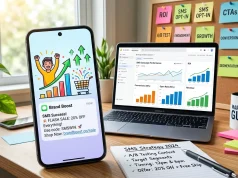
Promotional campaigns work exceptionally well via SMS. You can schedule a flash sale announcement to hit thousands of phones simultaneously, driving an immediate spike in website traffic.
Lead nurturing benefits from a more measured approach. When a prospect downloads a resource from your site, an automated sequence can send them a series of educational texts over several weeks. This keeps your brand top-of-mind until they are ready to make a purchasing decision.
Abandoned cart recovery is arguably the most profitable use case for e-commerce brands. A simple text reminding a shopper about their left-behind items, perhaps paired with a small discount code, frequently pushes them to complete the transaction.
Customer win-back strategies target inactive buyers. If someone has not purchased from you in six months, an automated “we miss you” text can re-engage them and bring them back into your active sales funnel.
Customer Service and Support
Support teams use automation to improve the customer experience and reduce their own workload.
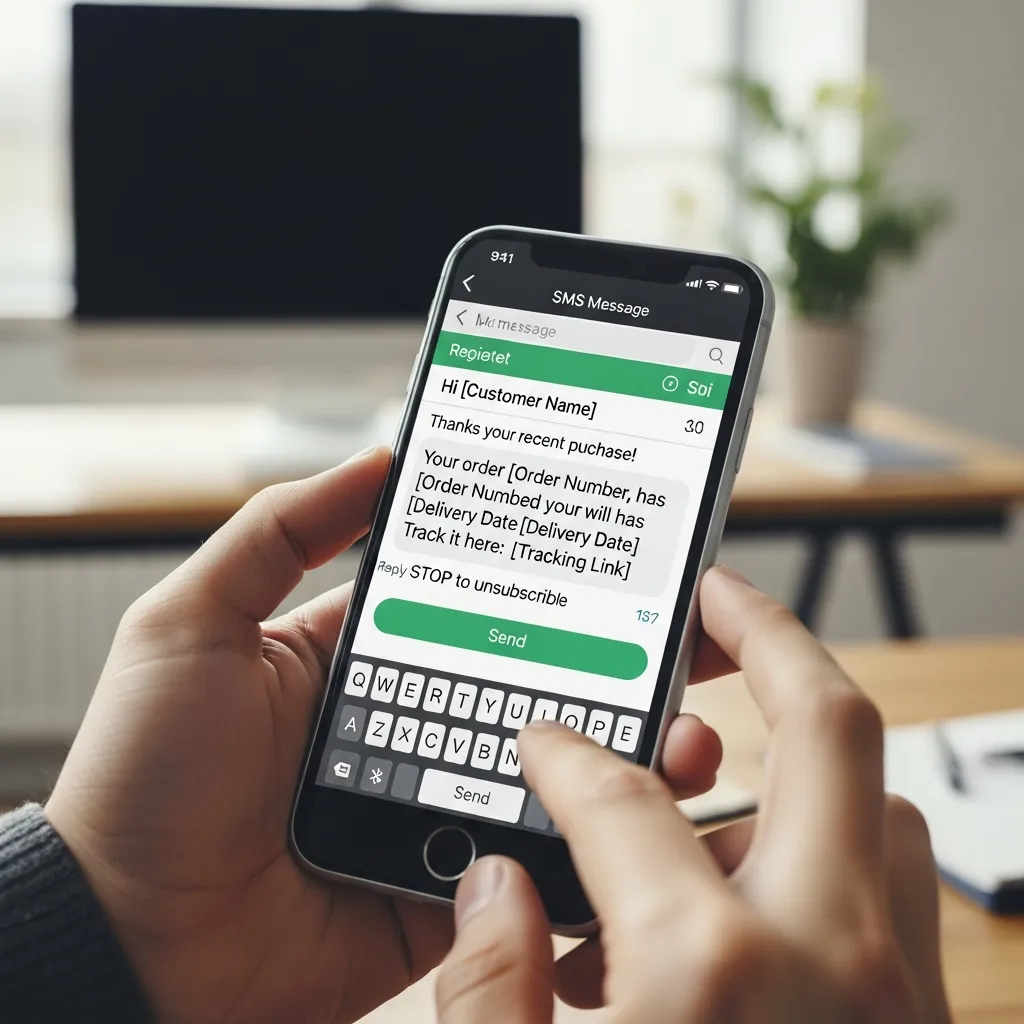
Order confirmations and shipping updates provide peace of mind. Customers appreciate receiving a text the moment their package leaves the warehouse, complete with a tracking link.
Appointment reminders drastically reduce no-show rates for service-based businesses. A quick text confirmation the day before a haircut or medical visit saves companies thousands of dollars in lost revenue.
FAQs and instant support can be managed by automated chatbots. When a customer texts a common question about store hours or return policies, the system can instantly reply with the correct information.
Feedback collection helps you measure customer satisfaction. Triggering a text with a survey link an hour after a service interaction gives you immediate, valuable insights into your team’s performance.
Internal Communications
Large organizations also use automated texting to manage their own workforce.
Employee alerts ensure critical information reaches staff immediately. If the office building loses power or a severe weather event occurs, an automated text blast keeps everyone safe and informed.
Team updates can also be sent via SMS. Warehouse workers or delivery drivers who do not sit at a desk all day rely on texts to receive schedule changes or logistical updates.
Best Practices for Crafting Effective Automated SMS Messages
 To get the most out of your campaigns, you must follow industry best practices. Your messages should respect the customer’s time and device.
Personalization Techniques
Use your data to make messages feel personal. Insert the customer’s first name. Reference the specific product they just bought. A personalized message feels like a helpful recommendation rather than a generic advertisement.
Conciseness and Clarity
Text messages have strict character limits, typically around 160 characters. Get straight to the point. State your offer clearly, provide any necessary codes, and include a simple link. Do not waste space with unnecessary words.
Call to Action
Every message must have a clear call to action (CTA). Tell the recipient exactly what you want them to do next. Whether it is “Tap here to shop the sale” or “Reply YES to confirm your appointment,” a strong CTA drives higher engagement.
Timing and Frequency
Nobody wants a promotional text at three in the morning. Schedule your messages to arrive during normal waking hours, and pay close attention to your customers’ local time zones. Additionally, avoid sending too many messages. Over-texting leads to frustration and high opt-out rates. Be sure to follow all legal guidelines provided by organizations like the Federal Communications Commission (FCC) regarding ethical messaging practices.
A/B Testing and Optimization
Test different variations of your messages to see what works best. Try a percentage discount versus a dollar-amount discount. Experiment with different sending times. Analyze the results and continuously refine your approach based on real data.
Integrating Automated SMS with Your Existing Tech Stack
Your messaging platform should not operate in isolation. Connecting it to your other software tools creates a seamless, unified marketing ecosystem.
CRM Integrations
Syncing your text messaging platform with your Customer Relationship Management (CRM) system is vital. This ensures that every text sent and received is logged in the customer’s profile. Integrating a tool like Salesforce SMS Messaging gives your sales and support teams a complete, accurate view of the customer’s interaction history.
E-commerce Platform Integrations
Online retailers must connect their messaging tools to their e-commerce platforms. This allows the system to trigger messages based on highly specific shopping behaviors. For example, connecting to Shopify or utilizing a Klaviyo SMS integration enables you to trigger precise abandoned cart flows and accurate shipping alerts.
Email Marketing Synergy
Email and SMS work beautifully together. You can use email for long-form content and SMS for urgent alerts. Following a comprehensive Email to SMS Integration Guide helps you set up workflows where an unopened email automatically triggers a text message follow-up, ensuring your critical information gets seen.
Omnichannel Marketing Strategies
A true omnichannel approach provides a consistent brand experience across all touchpoints. When your SMS, email, social media, and paid ads all share the same messaging and timing, you create a powerful, immersive journey for your customers.
Measuring Success: Metrics and Analytics for Automated SMS Campaigns
You must track your performance to ensure your campaigns generate a positive return on investment.
Key Performance Indicators (KPIs)
Monitor your delivery rates to ensure your messages are actually reaching valid phone numbers. Track your click-through rates (CTR) to see how many people find your offers compelling enough to click. Finally, measure your conversion rates to understand how many of those clicks turn into actual sales. Understanding your SMS Marketing Metrics & KPIs allows you to make informed, data-driven decisions.
ROI Calculation and Optimization
Calculate your return on investment by comparing the cost of your messaging software and sending fees against the revenue generated by the campaigns. If a specific abandoned cart flow costs fifty dollars a month to run but recovers five thousand dollars in lost sales, you have a highly optimized workflow.
Analytics Tools and Reporting
Most modern platforms provide built-in dashboards. Review these reports weekly to spot trends. If your opt-out rate suddenly spikes, you might need to adjust your messaging frequency or improve the quality of your offers.
The Future of Automated SMS Messages
The technology powering text messaging continues to evolve rapidly, offering new ways to connect with consumers.
AI and Machine Learning in SMS Automation
Artificial intelligence is making automation even smarter. Predictive algorithms can now analyze past customer behavior to determine the absolute best time of day to send a message to a specific individual. Machine learning tools can also help draft message copy that is statistically proven to drive higher engagement.
Rich Communication Services (RCS) vs. SMS
Rich Communication Services (RCS) represents the next generation of mobile messaging. While standard SMS is limited to plain text and basic links, RCS allows businesses to send high-resolution images, video carousels, and interactive buttons right to the native messaging app. As smartphone adoption continues to grow globally, as noted by the Pew Research Center, RCS will offer a richer, more app-like experience for consumers.
Evolving Privacy Regulations and Compliance
Data privacy will remain a top priority. Expect regulations surrounding text messaging to become even stricter. Businesses will need to maintain pristine opt-in records and offer completely transparent data policies to remain compliant and keep their customers’ trust.
Elevate Your Business Communication
 Automated SMS messages offer an unparalleled way to reach your customers instantly and effectively. By setting up intelligent triggers, your business can deliver personalized, highly relevant information without manual effort. From recovering lost e-commerce revenue to reducing missed appointments, the applications are vast and highly profitable.
Take the time to map out your customer journey. Identify the key moments where a timely text message could solve a problem or encourage a purchase. Invest in a robust platform, connect it to your existing tech stack, and start building simple workflows. As you gather data and refine your approach, you will unlock new levels of customer engagement and drive sustainable business growth.