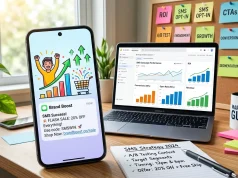
SMS automation workflows send automated text messages based on user actions like sign-ups, purchases, or reminders, helping businesses improve engagement, increase conversions, and save time through personalized and timely communication strategies.
Text messaging has evolved from a simple peer-to-peer communication method into a highly effective channel for businesses to reach their audiences directly. Companies constantly look for ways to scale their marketing efforts without losing the personal touch that keeps customers returning. Developing systematic, automated processes makes a significant difference in how brands communicate. By leveraging smart technology, marketing teams can send timely, relevant messages to thousands of customers simultaneously while maintaining a highly tailored approach.
Manual messaging limits your ability to scale and respond to customer actions in real time. When someone abandons their online shopping cart or signs up for your newsletter, they expect an immediate acknowledgment. Waiting even a few hours to send a response can result in lost interest and missed revenue. Implementing robust sms automation workflows allows your business to operate around the clock. Your communication system works tirelessly in the background, engaging prospects and assisting current clients without requiring constant human intervention.
This comprehensive guide explores the mechanics of building effective text messaging sequences. You will learn the core fundamentals of setting up triggers and conditions, discover advanced strategies for personalizing your campaigns, and explore real-world use cases across various industries. By understanding how to measure success and choose the right tools, you can transform your customer engagement strategy and drive measurable business growth using sms automation workflows.
The Fundamentals of sms automation 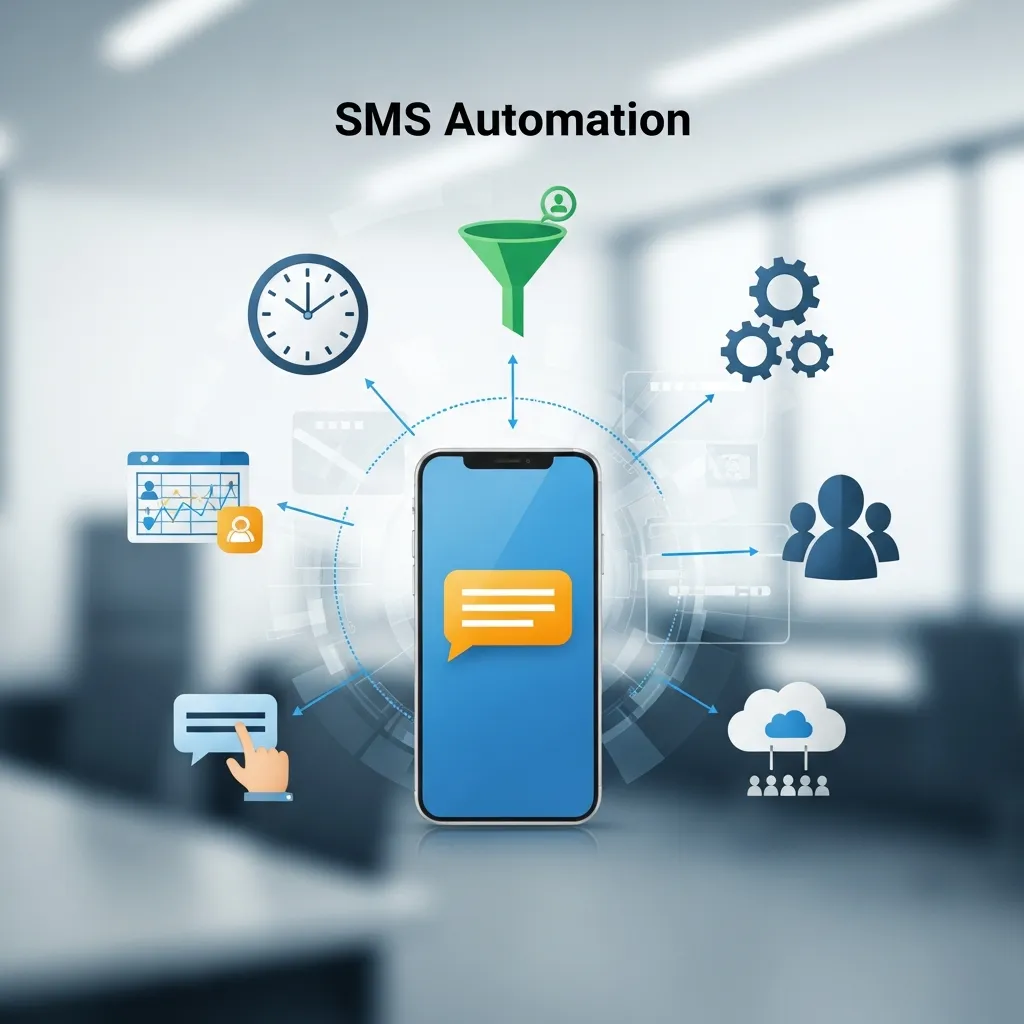
Understanding the core mechanics of automated messaging is the first step toward building a successful strategy. Before creating complex sequences, you need to grasp what these systems do and how their underlying components function together.
What are SMS automation workflows?
At their core, sms automation workflows are pre-configured sequences of text messages that trigger automatically based on specific customer behaviors or time-based events. Instead of a marketing manager hitting “send” on every individual text, the software takes over. The system follows a logical path dictated by the rules you establish. When a customer takes an action—like making a purchase or clicking a link—the workflow determines exactly what message they receive next and when they receive it.
Understanding sms automation workflows is essential for building scalable, efficient, and personalized communication systems.
Key components: triggers, actions, and conditions
Every successful automated sequence relies on three fundamental building blocks.
Triggers are the starting points of your workflow. A trigger could be a customer subscribing to your mobile list, a specific calendar date like a birthday, or a change in a user’s account status.
Actions represent the response to that trigger. In this context, the primary action is sending a specific text message. You might also configure the system to update a contact record or tag a user based on their interaction.
Conditions act as filters or logic gates that control the flow of your messages. They determine if an action should actually take place. For instance, a condition might ensure a promotional text is only sent if the customer has not made a purchase in the last thirty days.
Benefits: time-saving, improved customer experience, scalability
Automating your text messages with sms automation workflows delivers significant advantages for marketing operations.
First, it saves countless hours of manual work, allowing teams to focus on strategy and creativity instead of repetitive tasks.
Second, it greatly improves the customer experience by delivering timely and relevant messages such as shipping updates or appointment reminders.
Finally, it offers unmatched scalability. Sending personalized messages to ten users requires the same effort as sending them to ten thousand, making sms automation workflows a powerful tool for business growth without increasing workload.
Designing Effective SMS Automation Workflows
Building a successful automated sequence requires careful planning and a deep understanding of your audience’s needs. You cannot simply guess what your customers want; you must map out their interactions with your brand step by step. A well-structured approach ensures that sms automation workflows deliver timely, relevant, and meaningful communication at every stage of the customer journey.
Identifying key touchpoints for automation
The most effective text campaigns intercept customers at critical moments in their relationship with your business. Start by identifying the most common interactions where sms automation workflows can add value. New subscriber onboarding is a prime candidate for automation. When someone joins your list, an immediate welcome text sets the tone for future communications.
Purchases and transactions provide another excellent opportunity. Order confirmations, shipping updates, and post-purchase follow-ups keep buyers informed and reduce the burden on your customer support team. Additionally, routine service interactions—such as subscription renewals, appointment reminders, or account alerts—benefit greatly from automated text reminders powered by sms automation workflows.
Mapping out customer journeys to pinpoint opportunities
To maximize the impact of your messaging, you should map out the entire customer journey from discovery to post-purchase advocacy. Document every step a prospect takes. How do they find your website? What actions do they take before buying? What happens after they receive their product?
Visualizing this journey reveals gaps in communication where sms automation workflows can be strategically inserted. For example, you might notice a high drop-off rate between trial signup and first product usage. Adding an automated, helpful SMS at this friction point can guide users forward, reduce confusion, and significantly improve conversion rates.
Best practices for crafting compelling and concise SMS messages
Text messaging offers limited space, meaning every character must count. Keep your messages concise, clear, and action-oriented. A strong sms automation workflows strategy depends on well-crafted messaging that quickly communicates value.
Start with a clear hook, provide essential information, and end with a strong call to action (CTA). Use formatting carefully to highlight important words like “SALE” or “ALERT,” but avoid overuse to maintain professionalism. Always identify your brand early in the message so recipients immediately recognize the sender.
Additionally, ensure all links are shortened for readability and tracking purposes. A well-structured, easy-to-read SMS respects the user’s time and increases engagement, making sms automation workflows more effective overall.
Advanced SMS Automation Strategies
 Once you master the basics, you can elevate your campaigns using sophisticated tactics. Advanced strategies ensure that your messages stand out in crowded mobile inboxes and deliver highly relevant value to the recipient.
Personalization and dynamic content in SMS
Generic blasts often lead to high opt-out rates. Subscribers expect brands to understand their individual preferences. By inserting dynamic fields, you can automatically populate messages with a customer’s first name, their recent purchase history, or even their local weather conditions. Utilizing robust SMS marketing personalization strategies ensures that your audience feels valued. When a message speaks directly to a consumer’s unique situation, they are far more likely to engage with the link provided.
Segmentation for targeted campaigns
You should rarely send the same message to your entire contact list. Dividing your audience into smaller, specific groups allows for highly targeted communication. You can segment users based on demographic data, geographical location, or behavioral metrics like past engagement. A thorough SMS campaign planning guide will help you structure these segments effectively. Targeting your best customers with early access to sales, while sending re-engagement discounts to dormant users, maximizes your overall return on investment.
Integrating SMS with other marketing channels for an omnichannel approach
Text messaging should not exist in a vacuum. The most successful brands synchronize their text campaigns with their email, social media, and paid advertising efforts. A true omnichannel marketing strategy ensures that your customer receives a consistent brand experience regardless of where they interact with you. For example, you can send an initial email newsletter about an upcoming product launch, followed by a text message reminder an hour before the launch goes live.
Real-World Applications and Use Cases
Understanding the theory behind automation is helpful, but seeing how different industries apply these principles brings the concepts to life. Here are a few ways diverse businesses utilize automated text sequences.
E-commerce: abandoned cart reminders, order confirmations, shipping updates
Online retailers rely heavily on automated texts to recover lost revenue and manage logistics. When a shopper adds items to their digital cart but leaves the website without completing the transaction, an automated workflow can send a reminder text an hour later. Offering a small discount in that message often pushes the buyer to finalize the purchase. Following a successful transaction, the workflow seamlessly shifts to sending immediate order confirmations and real-time tracking updates, vastly improving the post-purchase experience.
Customer Service: appointment reminders, support ticket updates, feedback requests
Service-oriented businesses use texts to streamline operations and reduce no-show rates. A medical clinic or a hair salon can configure their system to send an appointment reminder twenty-four hours before a scheduled visit. If a client opens a customer support ticket, automated texts can notify them when an agent responds or when the issue is resolved. After the interaction concludes, a quick automated text asking for a rating on a scale of one to five provides valuable, instant feedback for the service team.
Marketing and Sales: promotions, lead nurturing, re-engagement campaigns
Sales teams use automation to nurture prospects over long periods. When a prospect downloads a whitepaper, an automated sequence can deliver a series of educational texts over the next two weeks, gently guiding the prospect toward scheduling a sales call. For broad marketing initiatives, companies can automate holiday promotions, birthday rewards, and VIP loyalty announcements. These sequences keep the brand top-of-mind and encourage repeat purchases without requiring manual daily oversight. You can explore more on general marketing automation benefits via Mailchimp.
Measuring Success: SMS Marketing Metrics and KPIs
You cannot improve what you do not measure. Tracking the performance of your automated workflows is critical for refining your strategy and justifying your marketing budget.
Key metrics to track
Several fundamental metrics dictate the health of your text campaigns. The delivery rate confirms that your messages are actually reaching valid phone numbers. The open rate indicates initial interest, although most text messages enjoy inherently high open rates.
The click-through rate (CTR) is far more telling. It measures how many recipients found your call to action compelling enough to click the included link. Finally, your conversion rate tracks how many of those clicks resulted in a desired action, such as a completed purchase or a confirmed webinar registration. Keep an eye on your opt-out rate as well; a sudden spike indicates that your messages are either too frequent or irrelevant to the audience.
Analyzing data to optimize workflows for better performance
Collecting data is only the first step. You must regularly review this information to uncover trends and identify areas for improvement. If you notice a particular abandoned cart text has a high click-through rate but a low conversion rate, the issue likely lies with the landing page rather than the message itself. By understanding your SMS marketing metrics and KPIs, you can make informed adjustments. A/B testing different message copy, sending times, and incentive structures allows you to continuously optimize the workflow for better results.
Tools and analytics for effective tracking
Modern marketing platforms provide comprehensive dashboards to track these key performance indicators in real time. Ensure your chosen software integrates seamlessly with your primary customer relationship management (CRM) tool and your website analytics. Using tracking parameters on your links guarantees that you can trace website traffic directly back to a specific text message, giving you a clear picture of your Return on Investment (ROI).
Choosing the Right SMS Platform
 Selecting the appropriate software provider is a crucial decision for your business. The market is flooded with options, ranging from basic blasting tools to highly advanced automation suites that support sms automation workflows at scale.
When evaluating platforms, prioritize ease of use and visual workflow builders. You want a tool that allows your marketing team to map out complex sms automation workflows without requiring a developer’s assistance. Look for strong segmentation capabilities and dynamic tagging features that help you personalize messages effectively.
Ensure the provider offers robust compliance tools. Navigating text messaging regulations—such as the Telephone Consumer Protection Act (TCPA) in the United States—is mandatory. A good platform will automatically handle opt-outs and maintain a clean database to protect your brand from legal complications. Finally, check the integration marketplace. Your sms automation workflows system must connect seamlessly with your email provider, e-commerce platform, and CRM to execute a truly unified marketing strategy.
Next Steps for Your SMS Strategy
Mastering sms automation workflows completely transforms how you interact with your customer base. Moving away from manual, one-off messages toward intelligent, behavior-driven communication ensures that your audience receives the right information at exactly the right time.
Start by auditing your current customer journey. Identify one or two clear touchpoints where communication currently lags, such as cart abandonment or post-purchase follow-ups. Build a simple sms automation workflows setup to address these gaps, track initial performance metrics, and refine your messaging based on real customer responses.
As you grow more comfortable with the technology, you can expand into complex omnichannel campaigns and predictive personalization. Taking these deliberate, data-backed steps will help you maximize engagement, foster long-term customer loyalty, and drive sustainable revenue growth using sms automation workflows.
Frequently Asked Questions (FAQ)
1. What are SMS automation workflows?
SMS automation workflows are automated systems that send text messages based on triggers like sign-ups, purchases, or user behavior.
2. How do SMS automation workflows work?
They work using triggers, conditions, and actions that determine when and what messages are sent to users automatically.
3. Why are SMS automation workflows important?
They help businesses save time, improve customer engagement, and deliver timely, personalized communication at scale.
4. What businesses can use SMS automation workflows?
E-commerce stores, service providers, healthcare, education, and nearly any business can use SMS automation workflows.
5. What is a trigger in SMS automation workflows?
A trigger is an event that starts an automated message sequence, such as a purchase or newsletter sign-up.
6. Can SMS automation workflows improve sales?
Yes, they increase conversions by sending timely reminders, offers, and follow-ups to customers.
7. Are SMS automation workflows expensive?
Costs vary depending on the platform, but they are generally affordable and cost-effective for most businesses.
8. Do SMS automation workflows require coding skills?
No, most modern platforms offer visual builders that allow users to create workflows without coding.
9. How can SMS automation workflows improve customer experience?
They provide instant responses, timely updates, and personalized messages that enhance engagement and satisfaction.
10. What tools are used for SMS automation workflows?
Popular tools include SMS marketing platforms that support automation, segmentation, and CRM integration.
Conclusion
SMS automation workflows are a powerful tool for modern businesses looking to scale communication and improve customer engagement. By using automated triggers, personalized messaging, and smart segmentation, businesses can deliver timely and relevant SMS messages with minimal manual effort. Implementing SMS automation workflows helps increase efficiency, boost conversions, and build stronger long-term customer relationships.