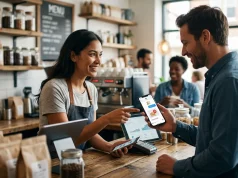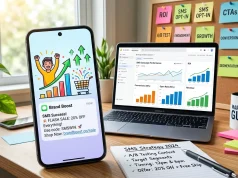
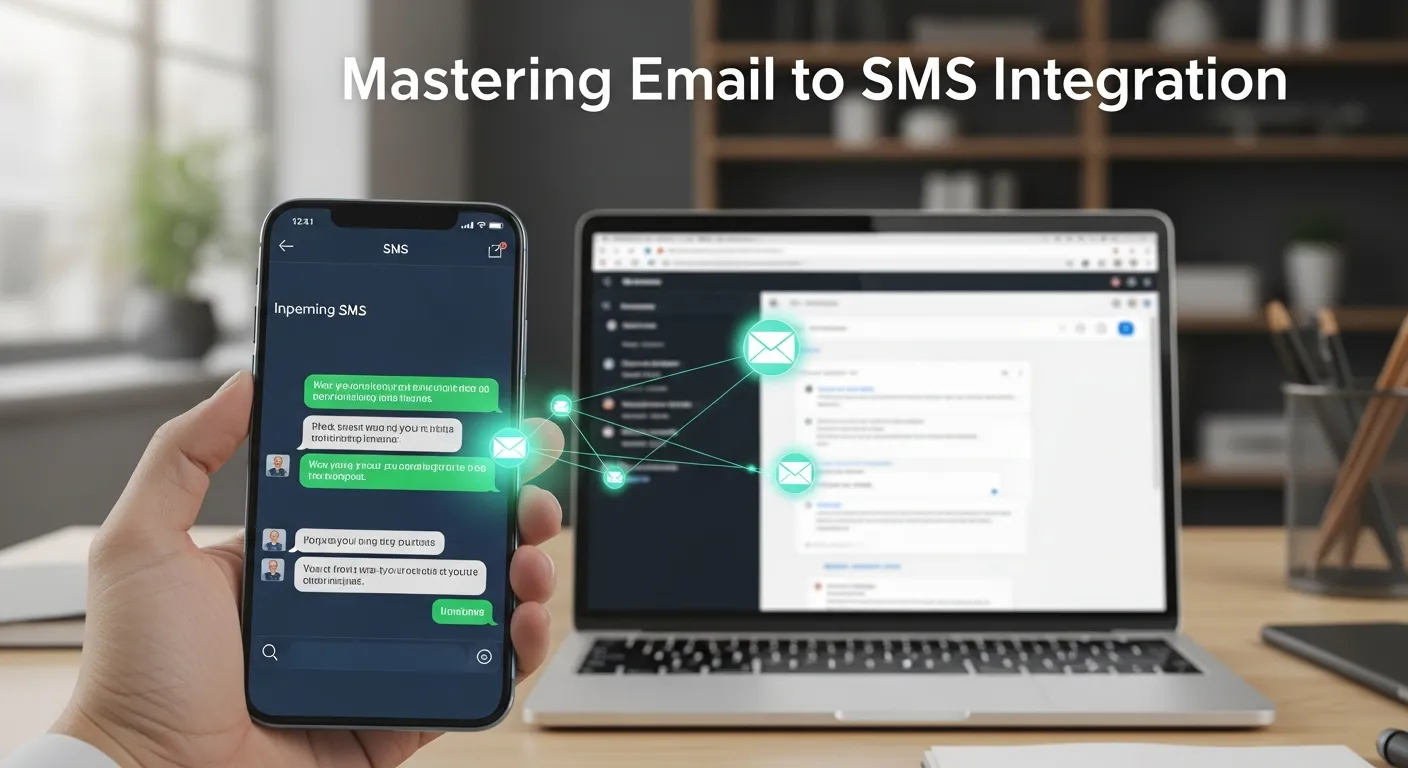
Email to SMS integration is a communication method that converts emails into SMS messages, allowing businesses to send instant alerts and notifications. It improves customer engagement, ensures faster delivery, and supports efficient multi-channel communication strategies.
Understanding Email Marketing in the Digital Age
Email continues to hold its ground as a foundational marketing tool. It offers ample space for storytelling, brand building, and complex visual design.
The Enduring Power of Email
Businesses rely on email because it delivers a strong return on investment and provides a direct line to consumers. You can share newsletters, comprehensive product updates, and detailed receipts. It remains a reliable medium for building long-term relationships and delivering rich media content.
Key Metrics and Best Practices for Email Campaigns
To succeed with email, marketers must monitor several performance indicators. Open rates, click-through rates, and conversion metrics dictate campaign adjustments. Good email marketing relies on clean lists, engaging subject lines, and clear calls to action. Careful segmentation ensures that subscribers only receive content relevant to their interests.
Limitations of Email in Reaching Customers Instantly
Despite its strengths, email struggles with immediacy. The average office worker receives dozens, if not hundreds, of emails daily. Promotional messages often land in spam or secondary folders. Even when delivered perfectly, an email might sit unread for hours or days. When you need to communicate urgent information, email simply cannot guarantee an instant response.
The Unmatched Immediacy of SMS Marketing
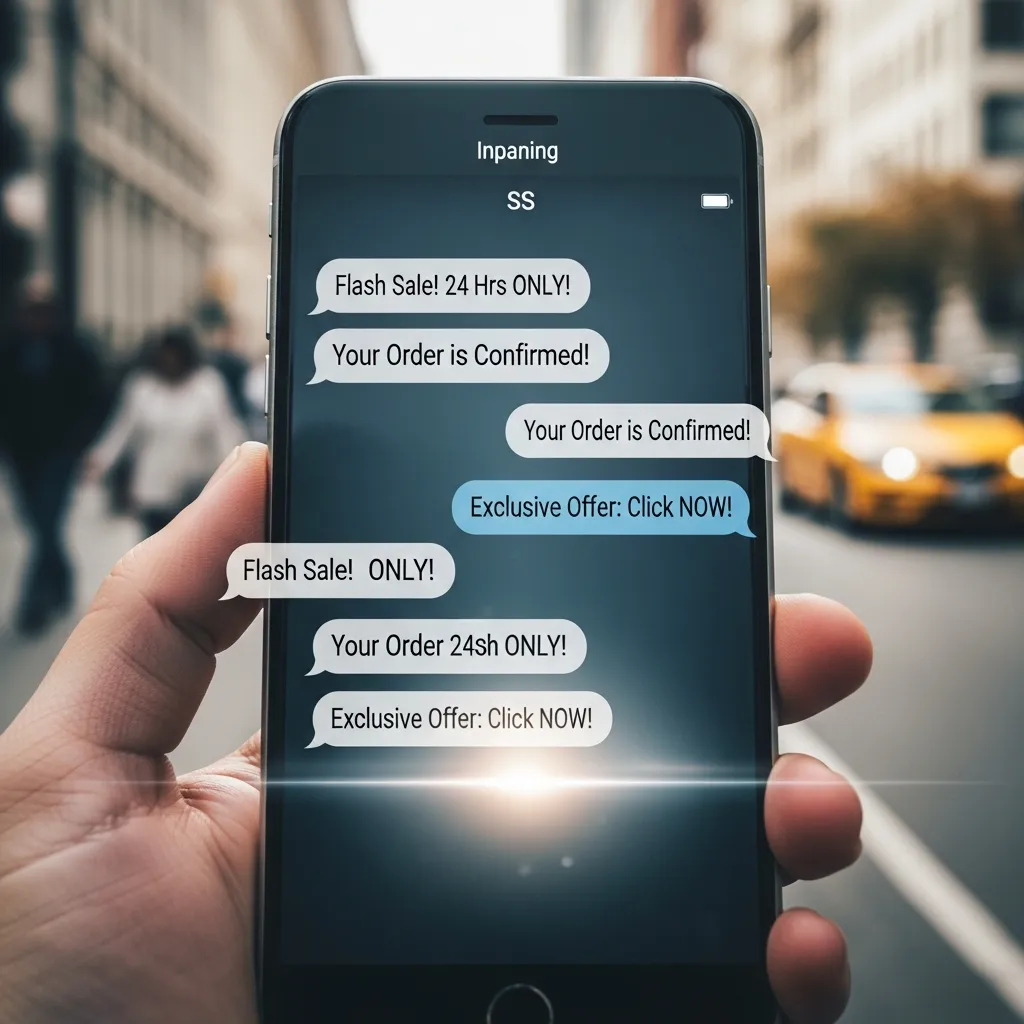 Text messaging solves the speed problem. When a phone buzzes, people check it almost immediately. This behavior makes SMS an incredibly powerful tool for urgent communications.
The High Open and Response Rates of SMS
SMS boasts open rates upwards of 98%, with the majority of texts read within three minutes of delivery. This channel cuts through the digital noise. If you want a message seen right now, text messaging delivers results that email cannot match.
Use Cases for SMS in Business Communication
Businesses use text messaging for appointment reminders, flash sale announcements, and critical account alerts. Because the medium is brief, it forces marketers to communicate value quickly. You can explore how different channels support each other by reading about omnichannel marketing success with SMS, email, and social media.
When SMS Alone Isn’t Enough: The Need for Richer Content
Text messaging has strict character limits. You cannot easily send a detailed monthly newsletter or a complex billing statement via SMS. Customers still need email for comprehensive information. The most effective approach leverages both channels, using texts for immediate alerts and emails for the heavy lifting.
Deep Dive into Email to SMS Integration: How It Works
Email to SMS integration connects your existing email platform with an SMS gateway. This setup translates an email message into a text format and delivers it to a recipient’s mobile phone.
Technical Foundations: APIs, Gateways, and Automation Rules
At the core of this integration is the SMS gateway. When you send an email to a specific address format provided by your gateway service, the system strips away the complex formatting. It extracts the core text and forwards it as an SMS. Application Programming Interfaces (APIs) facilitate this data transfer securely and quickly.
Step-by-Step Process of Setting Up Integration
Setting up email to SMS integration requires a few straightforward steps:
1. Choosing the Right Platform/Service
Select an SMS gateway provider that supports email-to-text functionality. Look for services with high uptime, robust security protocols, and transparent pricing.
2. Configuring Triggers and Actions
Define the rules for your campaigns. You might set up an automation where an abandoned cart triggers an email. If the email remains unopened after four hours, the system automatically triggers an SMS reminder.
3. Testing the Workflow
Never launch a campaign without testing. Send internal test messages to ensure the formatting translates correctly from email to text. Verify that all links work and that the character count remains within acceptable limits.
Key Features and Capabilities of Integrated Platforms
Modern integrated platforms offer two-way messaging, allowing customers to reply to your automated texts. They also provide delivery receipts, scheduling tools, and template builders. These features help you maintain a consistent brand voice across both channels.
Benefits of Seamless Email to SMS Integration for Businesses
Combining these two channels creates a multiplier effect. You reach customers faster, automate tedious tasks, and generate higher returns on your marketing spend.
Enhanced Customer Engagement and Reach
A cohesive communication strategy ensures no message slips through the cracks.
1. Bridging the Gap: Reaching Customers Where They Are
Some customers prefer reading emails on their desktop, while others live on their smartphones. Integration ensures you communicate with people on their preferred platform.
2. Increased Open and Response Rates for Critical Messages
When you follow up a critical email with a brief SMS alert, engagement skyrockets. The text message acts as a friendly nudge, driving traffic back to the detailed email or directly to your website.
Improved Operational Efficiency and Automation
Integration removes the manual work of managing two separate communication silos.
1. Automating Time-Sensitive Alerts and Reminders
You can set up workflows to handle logistics automatically. If a delivery schedule changes, the system can instantly generate an email with the new tracking details and fire off a text alerting the customer to check their inbox.
2. Streamlining Customer Service and Support
Support teams can use integration to resolve tickets faster. An agent can reply to an email thread, and the system can send an SMS to the customer letting them know their issue has been addressed.
Cost-Effectiveness and ROI
Every marketing dollar counts. Tracking your SMS marketing metrics and KPIs helps you optimize your budget.
1. Maximizing Marketing Spend
Instead of blasting expensive texts to your entire list, you can send detailed emails first. You then reserve your SMS budget for the subset of users who did not open the email or those who need a final push to convert.
2. Measuring the Impact on Sales and Customer Loyalty
Integrated campaigns provide clear data. You can track exactly which channel drove a specific sale, allowing you to refine your strategy and build loyalty programs that resonate with your audience.
Real-World Applications and Use Cases
 Different industries utilize email to SMS integration to solve unique communication challenges. Here is how various sectors apply the technology.
E-commerce: Abandoned Cart Reminders, Order Confirmations, Flash Sales
Online retailers use integration to recover lost revenue. A customer leaves items in their cart. The system sends a detailed email with product images. Hours later, an SMS follows up with a limited-time discount code. Additionally, order confirmations sent via email are paired with instant SMS shipping updates.
Healthcare: Appointment Reminders, Prescription Refill Notifications
Medical practices reduce no-show rates drastically with automated reminders. Patients receive an email a week before their appointment with paperwork to fill out. The day before, an SMS reminds them of the time and location. According to healthcare communication studies, automated reminders significantly improve patient compliance.
Financial Services: Fraud Alerts, Transaction Notifications, Security Codes
Banks rely on this technology for security. When a suspicious transaction occurs, the bank sends an immediate SMS asking the user to confirm the charge, followed by an email outlining the account details and next steps.
Event Management: Ticket Confirmations, Last-Minute Updates
Event organizers manage logistics effortlessly. Attendees receive their digital tickets via email weeks in advance. On the day of the event, an SMS provides gate opening times, parking instructions, and weather updates.
Customer Support: Urgent Inquiries, Service Outage Notifications
Software companies use integration to manage service outages. They email a detailed incident report to all users and send an SMS alert strictly to the system administrators who need to take immediate action.
Best Practices for Implementing a Successful Strategy
Technology only works when guided by a sound strategy. To get the most out of your campaigns, follow these industry best practices. Ensure you consult a comprehensive SMS campaign planning guide before launching.
Opt-In and Permission: The Cornerstone of Respectful Communication
You must respect your audience’s inbox and mobile device.
1. Ensuring TCPA and GDPR Compliance
Never send a text message without explicit, documented consent. Familiarize yourself with the guidelines provided by the Federal Communications Commission (FCC) to ensure your campaigns remain legally compliant.
2. Clear Opt-In Processes
Tell subscribers exactly what to expect. State how often you will text them and what kind of content they will receive. Provide a simple way to opt out of the service at any time.
Segmentation and Personalization: Delivering Relevant Messages
Generic blasts annoy customers. Use your data to segment your audience based on past purchases, geographic location, and engagement history. Personalize both the email and the text message to increase the likelihood of a conversion.
Crafting Compelling SMS Content: Conciseness and Clarity
Get straight to the point. You have 160 characters to make an impact. Use strong verbs, state the value clearly, and include a simple call to action.
Timing is Everything: Sending Messages at the Right Moment
Do not wake your customers up at 3:00 AM. Schedule your texts to align with normal waking hours and time zones. Analyze your past campaign data to find the specific hours when your audience is most likely to engage.
A/B Testing and Analytics: Optimizing Performance
Test different subject lines, SMS copy, and send times. Review your metrics regularly. Drop the tactics that underperform and double down on the strategies that drive revenue.
Integrating with Existing CRM and Marketing Automation Systems
Your data must flow freely between systems. Connect your messaging platform to your central database. Discover how to enhance your operations by learning how to boost growth using a CRM with text messaging.
Addressing Potential Challenges and How to Overcome Them
Implementing a new communication strategy comes with hurdles. Anticipating these issues ensures a smooth rollout.
Message Fatigue and Over-Communication
Sending too many messages causes customers to unsubscribe. Map out your customer journeys carefully. Limit your SMS sends to truly urgent or highly valuable information.
Technical Glitches and Integration Issues
APIs sometimes fail. Data syncing can lag. Work closely with your software provider’s technical support team during the setup phase. Run extensive test campaigns to catch errors before they reach your live audience.
Data Security and Privacy Concerns
Protecting customer data is non-negotiable. Use encrypted connections and partner with vendors who prioritize security compliance. Regularly audit your systems to prevent unauthorized access.
Managing Costs and Scalability
Text messaging costs money per segment. Monitor your spending closely. Clean your subscriber lists regularly to remove inactive numbers, ensuring you only pay to reach engaged customers.
The Future of Omnichannel Communication
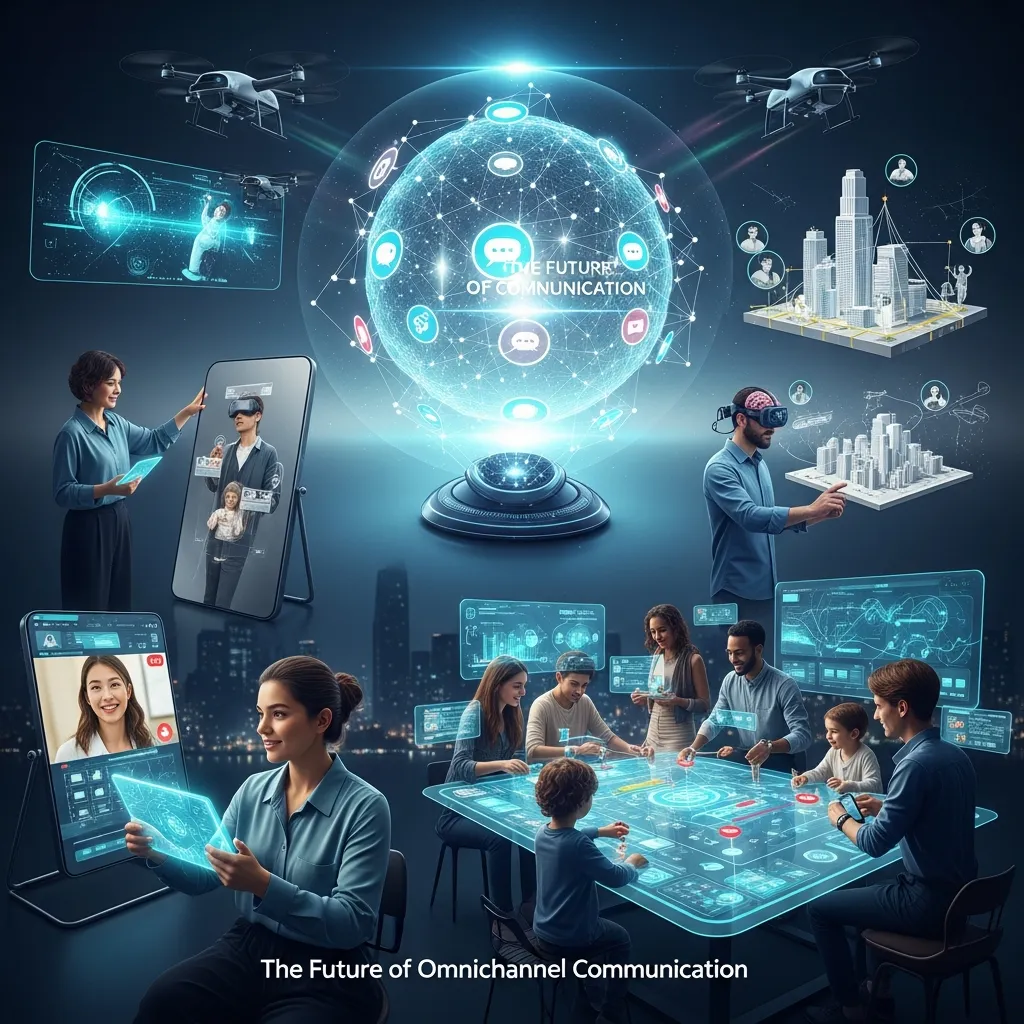 Customer expectations continue to evolve. The tools you use today will expand in capabilities tomorrow.
AI and Machine Learning in Message Optimization
Artificial intelligence will soon predict the exact moment a specific user is most likely to open a text. Machine learning algorithms will automatically adjust your sending schedules and even help draft high-converting copy based on historical data.
Rich Communication Services (RCS) and Enhanced SMS
RCS will upgrade standard text messaging. It will allow businesses to send high-resolution images, read receipts, and interactive carousels directly to the native messaging app, blurring the line between a text and a rich email.
The Evolving Customer Expectation for Seamless Interactions
Consumers demand frictionless experiences. They expect to start a conversation via email and finish it via SMS without having to repeat themselves to a support agent. Integrated systems make this seamless transition a reality.
Take Your Strategy Further
The communication landscape changes rapidly, but the fundamentals of reaching your audience remain the same.
Recap of the Power of Email to SMS Integration
Email offers depth; SMS offers speed. By combining these channels, you create a marketing ecosystem that guarantees your messages are seen, read, and acted upon. You eliminate communication bottlenecks and provide a superior customer experience.
Final Thoughts on Elevating Your Communication Strategy
Do not let your messages sit unread in crowded inboxes. Embrace the tools that allow you to reach your audience directly on their mobile devices. Strategic integration turns standard notifications into powerful drivers for growth and customer loyalty.
Call to Action: Start Integrating Today!
Evaluate your current marketing stack. Identify the gaps where urgent communication fails. Implement email to SMS integration today to bridge those gaps, engage your customers instantly, and accelerate your business growth.
Frequently Asked Questions (FAQs)
1. What is Email to SMS Integration?
Email to SMS integration is a system that converts email messages into SMS texts and sends them directly to mobile phones.
2. How does Email to SMS Integration work?
It works by using a gateway or API that automatically converts email content into SMS format and delivers it to the recipient’s number.
3. Why is Email to SMS Integration useful for businesses?
It helps businesses send instant alerts, updates, and notifications directly to customers’ mobile phones.
4. Do I need technical skills to use Email to SMS Integration?
Basic setup may require technical knowledge, but many platforms offer simple, user-friendly tools.
5. Is Email to SMS Integration fast?
Yes, it provides almost instant message delivery compared to traditional communication methods.
6. Can I send bulk messages using Email to SMS Integration?
Yes, many systems support bulk messaging for marketing campaigns and alerts.
7. Is Email to SMS Integration secure?
Most trusted platforms use encryption and secure gateways to protect data and messages.
8. What industries use Email to SMS Integration?
It is widely used in healthcare, banking, e-commerce, education, and logistics.
9. Can I personalize messages in Email to SMS Integration?
Yes, you can customize messages using dynamic fields like name, order details, or alerts.
10. Does Email to SMS Integration require internet on the receiver’s side?
No, SMS messages are delivered directly to mobile networks and do not require internet access.
Conclusion
Email to SMS integration is a powerful communication tool that helps businesses send instant and reliable messages directly to mobile users. It improves customer engagement, speeds up notifications, and supports efficient communication across industries. By combining email systems with SMS delivery, businesses can enhance reach, automation, and overall communication effectiveness.