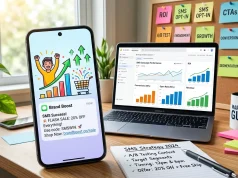
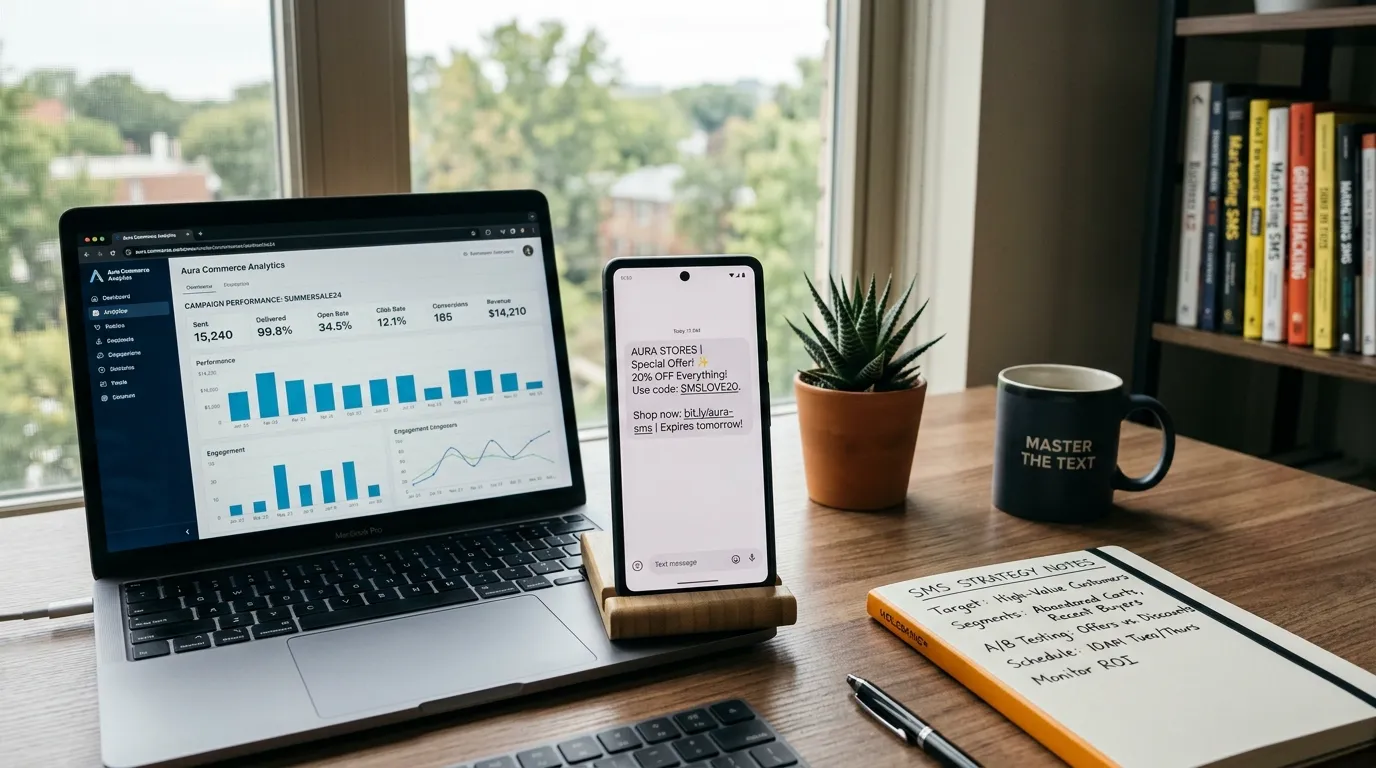
 Understanding the specific advantages of text messaging helps clarify why this channel consistently outperforms other ecommerce marketing channels in terms of immediate engagement, conversions, and customer retention. A well-planned SMS marketing strategy for e-commerce enables online stores to connect with shoppers in real time and drive faster purchasing decisions.
Launching a successful campaign requires careful planning and strict adherence to legal frameworks.
What are the consent and compliance rules for text marketing?
You must obtain explicit, written consent before sending commercial text messages. In the United States, the Telephone Consumer Protection Act (TCPA) strictly regulates mobile marketing. In Europe, the General Data Protection Regulation (GDPR) governs how businesses collect and process personal data. Always use a double opt-in process, clearly state what type of messages subscribers will receive, and include a simple opt-out command (like “Reply STOP to cancel”) in every text.
How do you choose the right SMS marketing platform?
Select an SMS marketing platform that integrates seamlessly with your existing e-commerce software. Choose a platform with native Shopify or WooCommerce integrations if rapid deployment matters more than custom API access. Ensure the platform supports automated workflows, two-way messaging, and detailed analytics reporting.
How should you segment your e-commerce audience?
Audience segmentation divides your subscriber list into distinct groups based on shared behaviors. Segment your audience into categories such as:
- New subscribers who have not yet purchased.
- VIP customers who buy frequently.
- Shoppers who abandoned their carts.
- Customers interested in specific product categories.
What are the best practices for crafting compelling messages?
A standard text message limits you to 160 characters. Identify your brand immediately so the customer knows who is texting. Keep the copy concise, use strong action verbs, and include a clear call to action (CTA). Always use a shortened, mobile-friendly link that directs the shopper to the exact product page, rather than a generic homepage.
What are the key SMS marketing campaigns for online stores?
 Automated campaigns generate revenue around the clock. Implement these core workflows to maximize your e-commerce marketing channels.
How does a welcome series engage new subscribers?
A welcome series triggers the moment a shopper joins your mobile list. Send the first text immediately, delivering the incentive you promised at opt-in (such as a 10% discount code). Follow up two days later with a message highlighting your best-selling products. This sequence turns curious browsers into confident first-time buyers.
How do abandoned cart reminders recover lost sales?
According to the Baymard Institute [2023], the average documented cart abandonment rate sits at nearly 70%. An automated cart abandonment text pulls high-intent shoppers back to checkout. Send the first reminder 45 minutes after the shopper leaves the site. If they do not purchase, follow up 24 hours later with a free shipping offer. For a comprehensive setup guide, review this detailed abandoned cart SMS strategy guide.
When should you send promotional campaigns and flash sales?
Use promotional texts for high-impact events like new product drops, seasonal clearances, and flash sales. Because text messaging generates immediate responses, limit your flash sales to brief 24-hour windows to create genuine urgency.
How can SMS enhance customer loyalty programs?
Reward your most valuable shoppers by sending exclusive VIP texts. Notify loyalty program members when they accumulate enough points for a reward, send birthday discounts, and offer early access to new inventory.
Why are transactional SMS messages important?
Transactional texts build customer trust by providing critical post-purchase information. Use ecommerce SMS notifications to send order confirmations immediately after payment, followed by real-time shipping updates and tracking links once the package leaves your warehouse.
How do you optimize your SMS marketing for e-commerce success?
Continuous optimization ensures your campaigns remain profitable as your subscriber list grows.
Why is A/B testing crucial for text messaging?
A/B testing involves sending two variations of a message to a small subset of your audience. Test variables like message copy, discount types (e.g., 20% off vs. $10 off), and CTA phrasing. Send the winning variation to the remainder of your list to maximize conversion rates.
What is the ideal timing and frequency for SMS?
Finding the optimal sending cadence prevents subscriber fatigue. Limit promotional texts to two to four times per month. Send messages between 9:00 AM and 8:00 PM in the recipient’s local time zone, avoiding early mornings and late nights.
How do you integrate SMS with other e-commerce marketing channels?
Text messaging works best when paired with email and social media. Use email for long-form content and high-resolution imagery, and rely on SMS for urgent, action-oriented alerts. Synchronize these efforts by utilizing proven SMS marketing automation strategies to create a cohesive omnichannel experience.
Which key metrics should you track to analyze performance?
Monitor your delivery rates, click-through rates (CTR), conversion rates, and overall return on investment (ROI). A sudden spike in your opt-out rate indicates that your messages are either too frequent or irrelevant to the audience. Master your data by exploring comprehensive SMS marketing analytics.
What are advanced SMS marketing tactics for online stores?
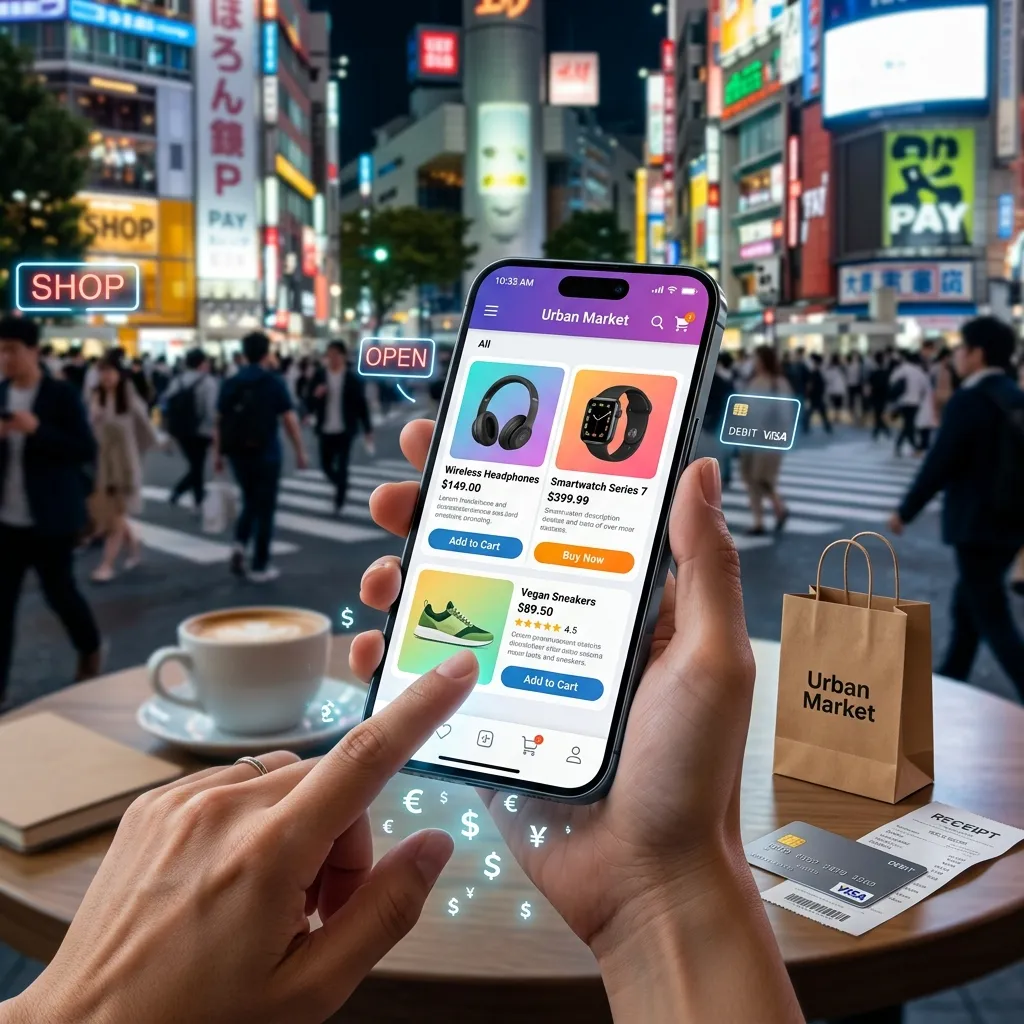 As your mobile program matures, deploy advanced features to drive higher engagement.
How do two-way SMS conversations boost sales?
Two-way texting transforms a one-sided promotional blast into an interactive customer service tool. Allow shoppers to reply to your texts with questions regarding sizing, shipping, or returns. Resolving queries instantly via text significantly increases the likelihood of a completed sale.
How will Rich Communication Services (RCS) change mobile marketing?
Rich Communication Services (RCS) allows brands to send high-resolution images, video carousels, and interactive product catalogs directly within the native texting app. This technology enables customers to browse and purchase without ever leaving their message thread.
How does AI improve text message personalization?
Artificial intelligence analyzes a shopper’s browsing behavior and purchase history to predict future buying intent. By integrating AI, your SMS marketing platform can automatically send highly personalized product recommendations at the exact moment a user is statistically most likely to buy.
What are the common pitfalls to avoid in SMS marketing?
Avoiding key mistakes is essential for maintaining customer trust, protecting your brand reputation, and ensuring long-term success in SMS marketing for online stores. While SMS is one of the most effective ecommerce marketing channels, improper use can quickly lead to high opt-out rates, reduced engagement, and even legal issues. A well-planned SMS marketing strategy for ecommerce helps businesses stay compliant, relevant, and customer-focused.
Over-messaging: Sending texts too frequently can overwhelm subscribers and lead to frustration. This often results in higher unsubscribe rates and weaker brand perception. Successful SMS marketing for ecommerce businesses focuses on delivering value-driven messages rather than constant promotions.
Ignoring compliance: One of the most serious mistakes is failing to follow regulations. Not securing proper opt-ins or missing opt-out instructions violates laws like the TCPA, which can result in heavy fines and legal consequences. Every SMS marketing platform for ecommerce should include built-in compliance features to ensure safe and lawful messaging practices.
Sending generic blasts: Mass, untargeted messages rarely perform well. Without segmentation and personalization, conversion rates drop significantly. Modern ecommerce SMS marketing relies on customer data to deliver relevant offers, product recommendations, and behavior-based messages.
Poor timing: Timing plays a critical role in SMS success. Sending messages at inappropriate hours—such as late at night—can irritate customers and lead to immediate opt-outs. Optimizing send times based on customer behavior and time zones is a key part of any effective SMS marketing strategy for ecommerce.
By avoiding these pitfalls and adopting a customer-centric approach, businesses can strengthen engagement, improve conversions, and build a more sustainable SMS marketing system for long-term ecommerce growth.
 SMS marketing for online stores provides an unparalleled opportunity to reach shoppers instantly and drive high-intent actions. In today’s competitive digital environment, leveraging a strong SMS marketing strategy for ecommerce allows brands to cut through noise and engage customers at the exact moment of decision-making. By securing proper consent, segmenting your audience accurately, and delivering highly relevant offers, e-commerce businesses can transform text messaging into one of their most profitable ecommerce marketing channels.
SMS marketing has become a powerful growth driver for e-commerce businesses by offering direct, instant, and highly engaging communication with customers. With strong open rates, fast response times, and advanced personalization capabilities, it outperforms many traditional and digital marketing channels. By integrating SMS marketing into a broader e-commerce marketing strategy, businesses can recover abandoned carts, increase conversions, and build long-term customer loyalty. When used effectively with segmentation, automation, and compliance, SMS becomes a reliable tool for sustainable e-commerce growth and higher ROI.
Frequently Asked Questions
1. What is SMS marketing for online stores?
SMS marketing for online stores is the practice of sending automated text messages—such as promotions, cart reminders, and shipping updates—to customers who have explicitly opted in to receive them.
2. Is SMS marketing effective for e-commerce?
Yes. SMS marketing delivers an average open rate of 98%, making it highly effective for driving immediate traffic, recovering abandoned carts, and generating fast e-commerce sales.
3. Do I need customer permission to send SMS marketing messages?
Yes. Legal frameworks like the TCPA and GDPR require businesses to obtain explicit, written consent from consumers before sending any promotional text messages.
4. How often should an online store send text messages?
Most successful e-commerce brands limit their promotional text messages to two to four times per month to avoid annoying subscribers and triggering high opt-out rates.
5. What is the difference between SMS and email marketing?
Email marketing is best suited for long-form content and newsletters, whereas SMS marketing is designed for urgent, time-sensitive alerts that require an immediate response.
6. How does an abandoned cart SMS work?
An abandoned cart SMS automatically triggers when a known subscriber leaves an item in their digital cart without purchasing, sending them a direct link to complete their checkout.
7. What is an SMS marketing platform?
An SMS marketing platform is a software solution that integrates with your e-commerce store, allowing you to manage subscribers, automate workflows, and send text messages at scale.
8. Can I personalize text messages for my customers?
Yes. Advanced SMS platforms use dynamic fields to automatically insert a customer’s name, reference past purchases, and recommend specific products based on their unique browsing behavior.
9. What are transactional SMS messages?
Transactional SMS messages provide customers with critical post-purchase information, such as immediate order confirmations, delivery estimates, and real-time shipping tracking links.
10. How do I measure the ROI of my SMS campaigns?
You can measure the ROI of SMS marketing by utilizing unique tracking links and discount codes, allowing you to monitor click-through rates, conversion rates, and total revenue generated per campaign.