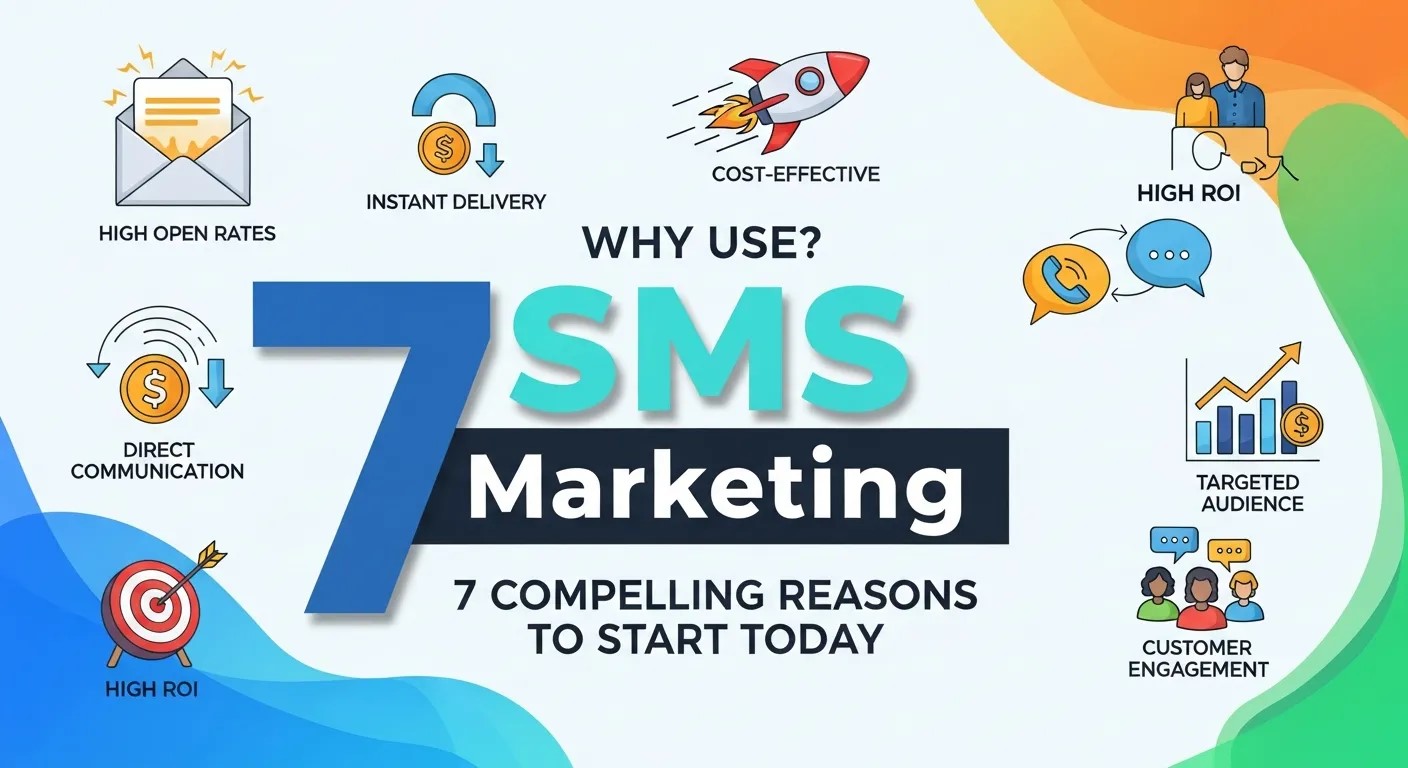
SMS Marketing delivers instant, personal communication that boosts engagement, drives sales, and strengthens customer relationships. By leveraging automation, AI, and multi-channel strategies, businesses can maximize impact and stay ahead in today’s competitive market.
How SMS Marketing Boosts Engagement and Conversions
In today’s fast-paced digital world, businesses are constantly seeking ways to reach their audience quickly, efficiently, and personally. While social media, email campaigns, and paid ads dominate many marketing strategies, one tool has consistently proven its effectiveness: SMS Marketing. Unlike other forms of communication, SMS reaches users directly on their mobile devices, ensuring higher open rates, immediate engagement, and a personal touch that digital channels often lack.
Understanding the psychology behind text messaging is key to its success. Humans are wired to respond to personal, concise, and direct communication. Receiving a text feels immediate and intimate, unlike an email that may sit unread in a crowded inbox. This creates a sense of urgency, trust, and attentiveness—critical factors for driving engagement, conversions, and customer loyalty.
What is SMS Marketing?
SMS Marketing is the practice of sending targeted promotional or informational messages to customers via text messages. Unlike traditional marketing channels, SMS provides instant communication with a personal touch. Businesses can notify customers about offers, updates, or reminders, ensuring messages are read almost immediately.
The beauty of SMS marketing lies in its simplicity and reach. Most people check their phones multiple times a day, making it one of the most effective ways to deliver your message. Unlike email campaigns, which may have open rates below 25%, SMS messages often achieve open rates as high as 98%, creating unparalleled opportunities for engagement.
Many platforms, including Mailchimp, now integrate SMS campaigns alongside email marketing. This allows businesses to manage multi-channel campaigns from a single dashboard, streamlining communication and maximizing reach.
Key Benefits of SMS Marketing for Businesses
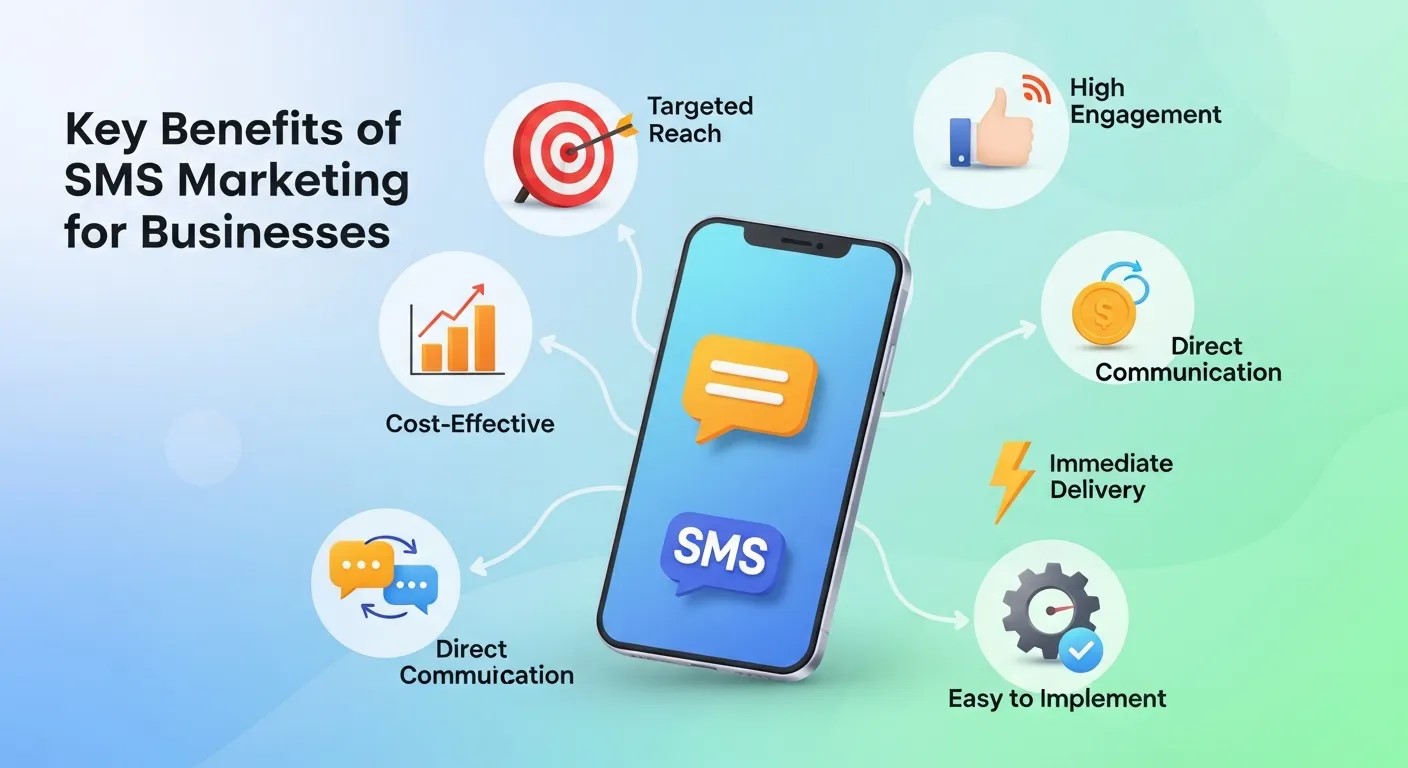
1. Direct and Instant Communication
Unlike email or social media, SMS Marketing allows businesses to connect with their audience directly on their mobile devices. Messages are typically read within minutes, ensuring time-sensitive promotions or alerts are received promptly.
For example, a retail store can send exclusive flash sale notifications, while service-based businesses can remind clients of appointments or new offerings. This immediacy increases the likelihood of conversions and strengthens the bond between business and customer.
2. High Engagement Rates
Text messages are inherently attention-grabbing due to their brevity and directness. Unlike crowded email inboxes, SMS messages land where they are more likely to be read. Businesses leveraging SMS Marketing Automation can schedule messages at optimal times, ensuring engagement rates remain high without overwhelming the audience.
Automated SMS campaigns can segment users based on behavior, preferences, or past purchases, making messages more personalized and relevant. By doing so, businesses maximize the effectiveness of each message, creating a stronger impact with minimal effort.
3. Cost-Effective Marketing Strategy
Compared to traditional advertising methods like print media or TV ads, SMS marketing is incredibly cost-effective. Businesses of all sizes can leverage this channel without significant investment, making it ideal for startups and SMEs.
Moreover, with tools that combine email and SMS campaigns, companies can How to Promote SMS Marketing efficiently without managing multiple systems. This unified approach saves both time and money, enhancing the ROI of marketing efforts.
Using SMS Marketing to Enhance Customer Relationships
Personalization and Human Connection
People respond better to communication that feels personal. By addressing customers by name, sending tailored offers, or notifying them about relevant updates, SMS Marketing Business strategies build trust and loyalty.
This approach taps into a fundamental human behavior: the need for recognition and relevance. When customers feel seen and valued, they are more likely to engage, return, and recommend your brand.
Integrating with Multi-Channel Campaigns
While SMS is powerful on its own, its impact multiplies when integrated with other marketing channels. Combining SMS with email campaigns, social media ads, or WhatsApp Marketing Automation ensures that your audience receives a cohesive and consistent brand experience.
This multi-channel approach caters to different preferences and touchpoints, ensuring that no message is missed. For example, a promotional SMS can be reinforced with an email detailing the offer, creating multiple opportunities for engagement.
AI and Automation in SMS Marketing
The future of SMS marketing lies in AI-Driven Chatbot Marketing. AI can analyze customer behavior, preferences, and past interactions to send highly personalized messages at the right time.
Chatbots can answer queries, provide product recommendations, and even guide customers through the purchase process via SMS. This level of automation not only saves time but also creates a seamless customer experience, turning casual subscribers into loyal customers.
Best Practices for Effective SMS Marketing
Get Permission: Always ensure recipients have opted in to receive SMS messages. Unsolicited messages can harm brand reputation and violate regulations.
Keep It Concise: Text messages should be short, clear, and actionable. Avoid long paragraphs.
Use Timing Strategically: Send messages at times when users are most likely to engage, such as mid-morning or early evening.
Include a Clear CTA: Every message should guide the recipient to the next step, whether visiting a website, redeeming an offer, or confirming an appointment.
Segment Your Audience: Use behavior and demographics to tailor messages, enhancing relevance and engagement.
Case Studies of Successful SMS Marketing Campaigns
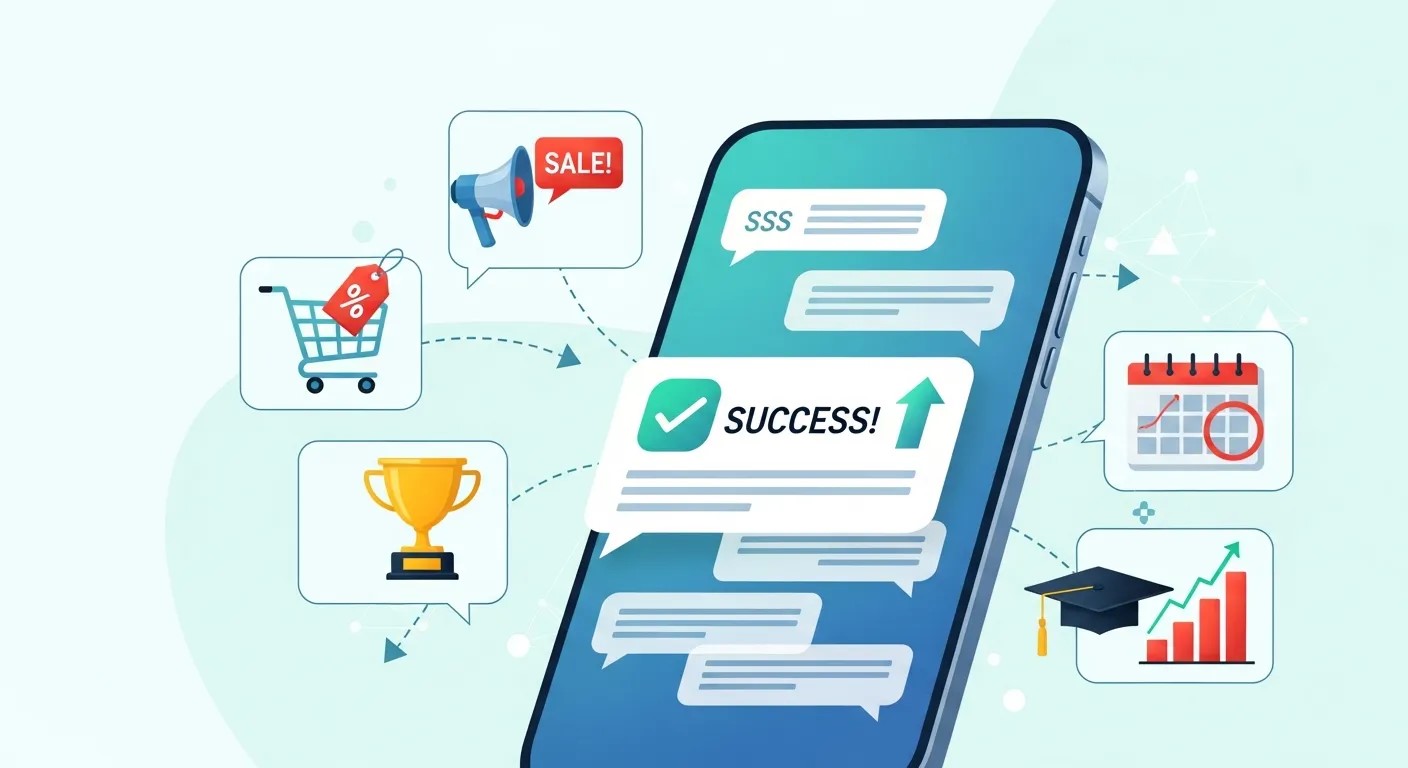
Real-world examples show how SMS Marketing drives results across industries. Businesses that leverage SMS strategically often see higher engagement, faster responses, and improved ROI.
Retail Industry Example
A fashion retailer used SMS to notify customers about a limited-time sale. By sending personalized messages to subscribers, they achieved a 25% increase in same-day purchases. Integrating SMS with email reminders reinforced the promotion, proving that multi-channel approaches work best.
This example highlights how How to Promote SMS Marketing isn’t just about sending texts; it’s about timing, personalization, and aligning messages with customer behavior.
Healthcare Example
A clinic implemented SMS reminders for appointments. Patients received automated texts confirming dates, rescheduling options, and follow-up instructions. This simple SMS Marketing Automation reduced no-show rates by 40%, saving staff time and improving patient satisfaction.
E-commerce Example
An online store integrated AI-powered chatbots with SMS to recommend products based on browsing behavior. Using AI-Driven Chatbot Marketing, the store saw a 15% increase in repeat purchases, proving the effectiveness of intelligent, personalized SMS campaigns.
Comparing SMS Marketing vs Email Marketing
While both channels are essential in digital marketing, understanding their differences can help businesses choose the right strategy.
| Feature | SMS Marketing | Email Marketing |
|---|---|---|
| Open Rate | ~98% | ~25% |
| Delivery Speed | Immediate | Can be delayed |
| Personalization | High (direct to phone) | Moderate |
| Engagement | High | Medium |
| Ideal Use | Time-sensitive offers, reminders, updates | Newsletters, promotions, content sharing |
The table shows that SMS Marketing Business strategies excel in immediacy and personal engagement, making them ideal for urgent campaigns or highly targeted promotions. Email remains valuable for detailed content, but SMS ensures your message gets seen instantly.
Advanced Segmentation and Automation
Segmentation allows businesses to tailor messages based on demographics, behavior, or purchase history. Combining segmentation with SMS Marketing Automation creates highly personalized campaigns that resonate with users.
For example, a travel agency might segment customers into frequent travelers, first-time bookers, and seasonal vacationers. Each group receives different offers and messages, increasing relevance and conversion rates.
Automation tools enable businesses to:
- Schedule campaigns based on user behavior
- Send birthday or anniversary messages automatically
- Trigger promotions based on purchase history
Using tools that also handle WhatsApp Marketing Automation alongside SMS provides a seamless experience for customers who prefer different communication channels. This multi-channel approach ensures consistent engagement without overwhelming the user.
Step-by-Step Guide to Creating an SMS Marketing Campaign
Creating a successful SMS campaign requires a structured approach. Here’s a step-by-step process:
1. Define Your Objective
Decide whether your goal is to boost sales, increase website traffic, promote an event, or improve customer retention. A clear objective guides the message content, timing, and target audience.
2. Build a Targeted List
Collect opt-in phone numbers legally and ethically. Segment your audience based on demographics, purchase behavior, or interests to increase relevance.
3. Craft a Concise Message
Keep texts short, clear, and actionable. Include a single CTA, such as visiting a website, redeeming an offer, or confirming an appointment.
4. Schedule and Automate
Use SMS Marketing Automation tools to schedule messages at optimal times. Automating repetitive tasks saves time and ensures consistent communication.
5. Test and Optimize
A/B testing different messages, CTAs, or send times helps identify what resonates best with your audience. Continuous optimization improves campaign performance over time.
Industry-Specific Strategies
Retail and E-commerce
- Send flash sale alerts and exclusive offers
- Recommend products based on purchase history
- Remind users of abandoned carts
Healthcare and Wellness
- Appointment confirmations and reminders
- Follow-up care instructions
- Health tips and seasonal check-up reminders
Service-Based Businesses
- Confirm bookings and service appointments
- Notify about new service launches
- Provide discounts or referral incentives
Each industry benefits differently from SMS Marketing, but personalization, timing, and relevance remain universal keys to success.
Measuring SMS Marketing Campaign Performance
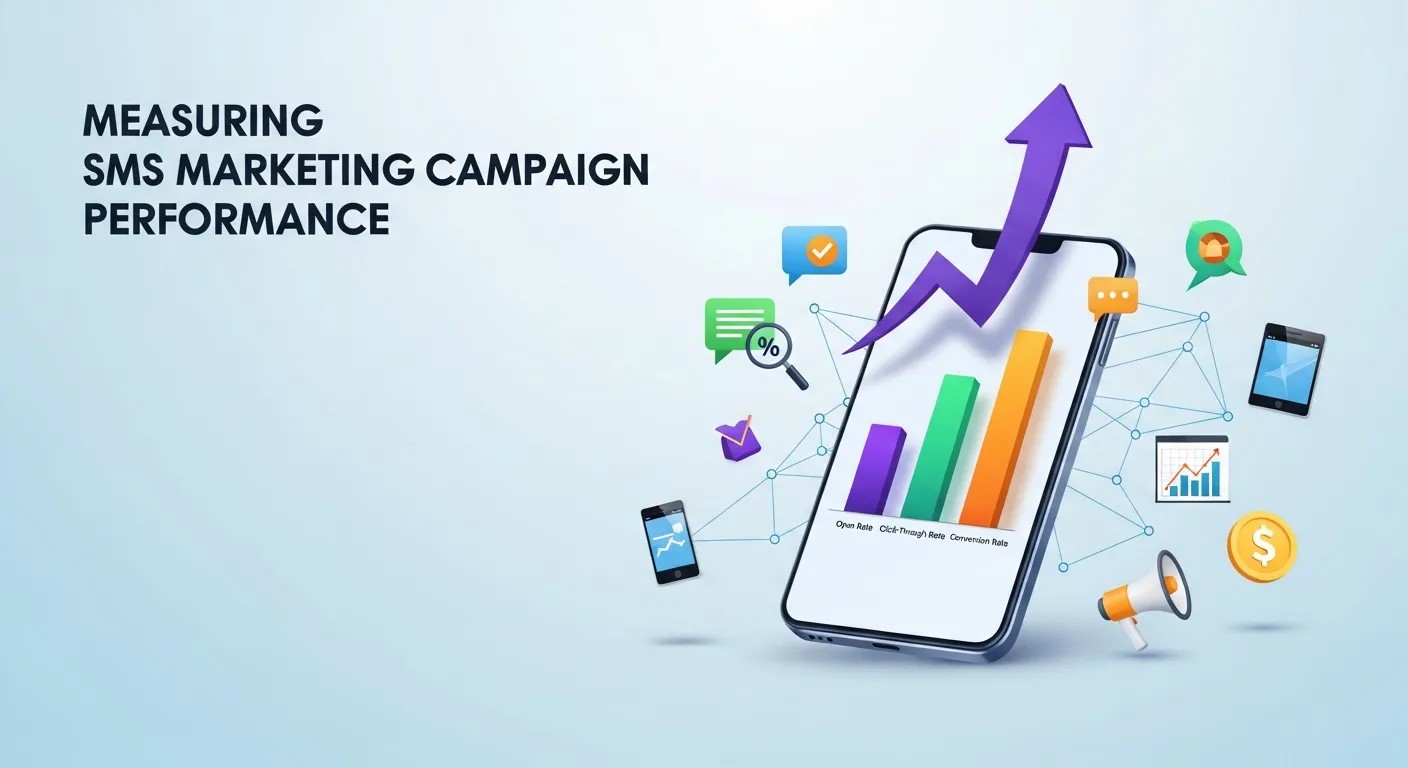
Tracking and analyzing the performance of your campaigns is crucial for long-term success. Businesses that ignore metrics risk wasting resources and sending irrelevant messages, which can harm customer relationships.
Key Performance Indicators (KPIs)
Some essential KPIs for SMS Marketing include:
Delivery Rate – Percentage of messages successfully delivered to recipients’ devices. High delivery ensures your campaigns reach the intended audience.
Open Rate – Unlike email, most SMS messages are opened almost immediately. Tracking open rates confirms engagement and timing effectiveness.
Click-Through Rate (CTR) – If your message contains a link, CTR measures how many recipients took action. This metric is vital for campaigns designed to drive traffic or sales.
Conversion Rate – The ultimate measure of campaign success. It tracks how many recipients completed the desired action, such as making a purchase or booking a service.
Opt-Out Rate – Measures how many users unsubscribed from receiving future messages. Keeping this low indicates that your content remains relevant and non-intrusive.
By monitoring these metrics, businesses can refine campaigns, adjust messaging, and enhance targeting to maximize ROI.
Integrating AI and Automation for Advanced Engagement
Modern AI-Driven Chatbot Marketing is transforming how businesses interact with customers via SMS. AI can analyze customer behavior, anticipate needs, and deliver personalized recommendations automatically.
For instance, an online retailer can send SMS notifications about items a customer recently viewed, while chatbots can answer queries in real-time. Combining SMS Marketing Automation with AI ensures that messages feel timely, relevant, and human-like, even at scale.
Benefits include:
- 24/7 Engagement: Customers receive responses instantly, increasing satisfaction.
- Behavior-Based Messaging: Personalized promotions based on past actions.
- Efficient Resource Allocation: Staff can focus on complex inquiries while AI handles routine communication.
When businesses combine AI-driven SMS campaigns with WhatsApp Marketing Automation, they can cover multiple channels while maintaining a consistent voice, making communication seamless and effective.
Legal Compliance and Best Practices
While SMS Marketing Business strategies are highly effective, they require careful attention to legal and ethical guidelines. Non-compliance can result in fines and damage to brand reputation.
Key Rules to Follow:
Obtain Explicit Consent: Users must opt-in to receive messages. Avoid purchasing lists or sending unsolicited texts.
Provide Opt-Out Options: Every message should allow recipients to unsubscribe easily.
Respect Timing Restrictions: Avoid sending messages late at night or early in the morning.
Maintain Message Relevance: Irrelevant or spammy content increases opt-out rates and reduces trust.
Data Privacy: Protect customer information in accordance with laws such as GDPR or TCPA.
By following these guidelines, businesses can ensure their SMS campaigns remain effective, trustworthy, and legally compliant.
Long-Term Strategy for Scaling SMS Marketing
Scaling SMS marketing requires careful planning and data-driven decision-making. Businesses that treat SMS as a core communication channel, rather than an afterthought, see consistent results.
Steps to Scale Effectively:
Segment and Personalize at Scale: Use customer data to deliver highly targeted campaigns to different audience groups.
Integrate Multiple Channels: Combine SMS with email, social media, and chat apps for a cohesive experience.
Leverage Automation: Automate routine messages, follow-ups, and behavior-triggered notifications.
Invest in Analytics: Continuously track KPIs and optimize campaigns based on performance insights.
Experiment and Innovate: Test new formats, CTAs, and offers to identify what drives maximum engagement.
Businesses that implement a thoughtful, data-driven SMS strategy can maintain high engagement rates, strengthen customer loyalty, and generate consistent revenue growth.
Creative SMS Campaign Examples
Innovative campaigns show how SMS Marketing can go beyond simple notifications. Creativity captures attention and drives engagement.
Limited-Time Offers: A restaurant sends a “Happy Hour” alert with a one-hour redemption window. The urgency motivates immediate action.
Event Reminders: An event organizer uses SMS to remind attendees about schedules, directions, or special guest appearances.
Interactive Polls: Brands ask subscribers quick questions via text, encouraging participation and feedback.
Exclusive VIP Access: Retailers give loyal customers early access to new products via SMS, creating a sense of exclusivity.
These examples demonstrate that combining personalization, timing, and creativity makes SMS campaigns highly effective across industries.
Tools and Platforms for SMS Marketing
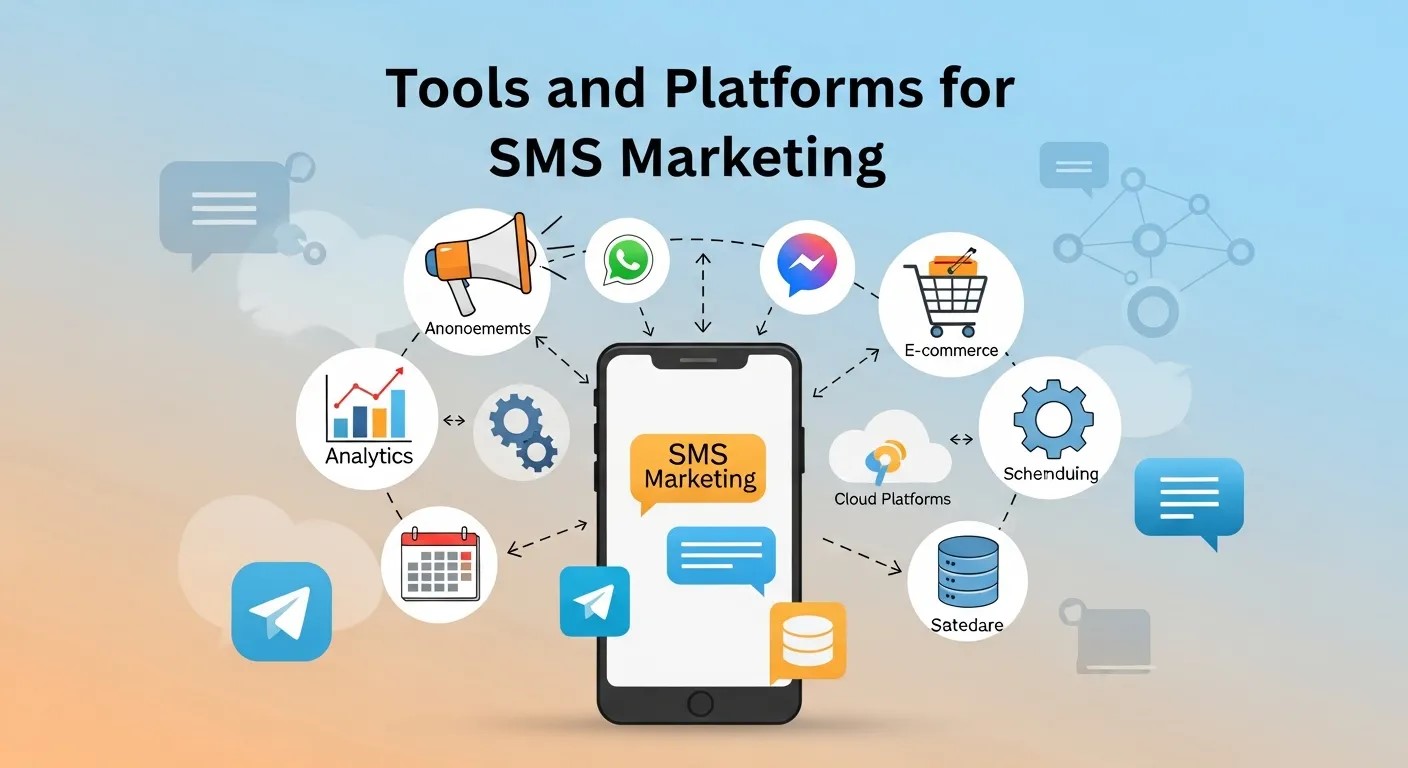
Choosing the right platform is critical for efficiency and scalability. Popular tools include:
Mailchimp: Integrates SMS with email campaigns, ideal for multi-channel strategies (Does Mailchimp Do SMS Marketing?).
Twilio: Flexible API for custom SMS solutions and automation.
Salesforce Marketing Cloud: Offers advanced segmentation and campaign analytics.
HubSpot: Combines SMS with CRM for personalized communication.
Selecting the right tool depends on your business size, campaign complexity, and integration needs.
Future Trends in SMS Marketing
The future of SMS revolves around personalization, automation, and AI integration. Trends to watch:
AI-Driven Recommendations: Chatbots predicting user needs.
Rich Communication Services (RCS): Enhanced messages with images, videos, and interactive buttons.
Seamless Omnichannel Marketing: SMS combined with social media, email, and messaging apps for cohesive campaigns.
Staying ahead of these trends ensures that businesses maintain competitive advantage and maximize engagement.
Conclusion
SMS Marketing has proven to be one of the most effective ways for businesses to reach their audience directly and instantly. By leveraging automation, AI-driven chatbots, and multi-channel integration, companies can deliver personalized, timely messages that drive engagement, increase sales, and foster long-term customer loyalty. Thoughtful planning, careful segmentation, and consistent optimization ensure campaigns are both impactful and relevant. As technology evolves, incorporating SMS Marketing into your overall strategy is not just an option it’s essential for businesses looking to stay competitive and maintain meaningful connections with their customers.
Frequently Asked Questions (FAQ)
What is SMS Marketing?
SMS Marketing is the practice of sending targeted promotional or informational text messages directly to customers’ mobile devices to drive engagement, sales, and customer loyalty.
How does SMS Marketing benefit businesses?
SMS offers instant communication, high open rates, and direct engagement. It helps businesses promote offers, send reminders, and strengthen customer relationships efficiently.
Can I automate my SMS Marketing campaigns?
Yes, SMS Marketing Automation allows scheduling, segmentation, and personalized messaging, ensuring campaigns reach the right audience at the right time.
How do I integrate SMS with other marketing channels?
SMS can be combined with email, social media, and messaging apps like WhatsApp Marketing Automation for a seamless multi-channel marketing strategy.
Is SMS Marketing suitable for small businesses?
Absolutely. SMS is cost-effective, easy to implement, and can deliver high ROI, making it ideal for SMS Marketing Business strategies of any size.
What tools can I use for SMS Marketing?
Popular platforms include Mailchimp, Twilio, HubSpot, and Salesforce Marketing Cloud. These tools support automation, segmentation, and analytics for optimized campaigns.
How do I ensure compliance in SMS Marketing?
Always obtain explicit consent, provide opt-out options, respect timing restrictions, and protect customer data according to regulations like GDPR and TCPA.
Can AI enhance SMS Marketing?
Yes. AI-Driven Chatbot Marketing can personalize messages, recommend products, answer queries, and automate responses to increase engagement and conversions.