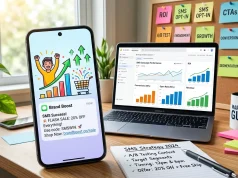

Growing an SMS marketing list requires compliance, compelling incentives, and strategic messaging. Using triggers, AI, and engagement tactics builds loyal subscribers and drives sustainable growth.
Building an SMS marketing list requires a strategic approach that balances growth with compliance. Unlike email marketing, SMS operates under stricter regulations, but when done correctly, it delivers exceptional engagement rates—with text messages boasting a 98% open rate compared to email’s 20%.
Your SMS marketing success depends on attracting subscribers who genuinely want to hear from your brand. This means focusing on quality over quantity and implementing proven strategies that encourage opt-ins while maintaining trust with your audience.
This guide will walk you through actionable methods to grow your SMS marketing list, from leveraging existing channels to creating irresistible incentives that convert visitors into subscribers.
Understanding SMS Marketing Compliance
Before diving into growth tactics, you must understand the legal requirements surrounding SMS marketing. The Telephone Consumer Protection Act (TCPA) requires explicit consent before sending marketing messages to mobile numbers.
Double opt-in processes work best for SMS marketing. When someone provides their phone number, send a confirmation message asking them to reply with a keyword like “YES” to confirm their subscription. This approach protects your business from compliance issues and ensures subscribers genuinely want your messages.
Keep detailed records of when and how people opted into your list. Include timestamps, the specific method they used to subscribe, and their confirmation responses. This documentation becomes crucial if you ever face compliance questions.

Create Compelling Lead Magnets
Lead magnets drive SMS subscriptions by offering immediate value in exchange for contact information. Discount codes, early access to sales, and exclusive content work exceptionally well. For inspiration, explore Boost Sales With SMS Marketing.
Discount codes perform exceptionally well for retail businesses. Offer 10-15% off first purchases or exclusive access to sales for SMS subscribers. Make the discount significant enough to motivate action but sustainable for your profit margins.
Time-sensitive offers create urgency that drives sign-ups. Flash sales, limited-time promotions, or early access to new products give people compelling reasons to share their phone numbers. Promote these offers across your existing marketing channels for maximum reach.
Exclusive content works particularly well for service-based businesses. Offer insider tips, industry updates, or behind-the-scenes content that subscribers can’t get elsewhere. The key is ensuring the content feels genuinely exclusive and valuable.
Optimize Your Website for SMS Sign-ups
Your website presents multiple opportunities to capture phone numbers for your SMS marketing list. Strategic placement of opt-in forms can significantly increase your subscriber count without overwhelming visitors.
Exit-intent pop-ups capture visitors who are about to leave your site. Trigger these pop-ups to appear when someone moves their cursor toward the browser’s close button. Offer a compelling incentive like a discount code or exclusive update to encourage last-minute sign-ups.
Add SMS opt-ins to your existing email subscription forms. Many visitors already expect to provide contact information, so adding a phone number field with clear benefits can boost your SMS list alongside email subscriptions.
Footer sign-up forms provide a non-intrusive way for interested visitors to subscribe. Include a brief description of what subscribers can expect—frequency of messages, types of content, and any exclusive benefits.
Checkout pages represent prime real estate for SMS opt-ins. Customers already trust your brand enough to make a purchase, making them more likely to subscribe for updates about their order or future promotions.

Leverage Social Media Channels
Social media platforms offer excellent opportunities to promote your SMS marketing list to engaged audiences who already know your brand.
Instagram Stories with swipe-up links (or link stickers for accounts under 10k followers) can drive traffic to dedicated SMS sign-up landing pages. Create visually appealing Stories that highlight the benefits of subscribing and make the sign-up process feel exciting rather than transactional.
Facebook and Instagram ads targeted at your existing customers or website visitors can effectively promote SMS sign-ups. Use carousel ads showcasing the exclusive benefits subscribers receive, or video ads demonstrating the value of your text message content.
Cross-promote your SMS list in your email newsletters. Your email subscribers already engage with your content, making them prime candidates for SMS subscriptions. Highlight different benefits for SMS—like instant notifications about flash sales or immediate customer support.
Promote your SMS marketing list via Instagram, Facebook, and other platforms. Stories, link stickers, and targeted ads can direct engaged audiences to dedicated sign-up pages. Cross-promote in newsletters and other campaigns for additional reach. Learn more from How to Start an SMS Marketing Business.
Implement In-Store and Event Strategies
Physical interactions provide powerful opportunities to grow your SMS marketing list through personal connections and immediate value demonstrations.
QR codes simplify the opt-in process for in-person interactions. Create codes that link directly to your SMS sign-up form and display them prominently at checkout counters, on receipts, or at event booths. Train staff to mention the benefits of scanning the code.
Receipt marketing turns every transaction into a potential SMS sign-up opportunity. Include compelling offers on receipts that require SMS subscription to redeem. This approach works particularly well for restaurants, retail stores, and service businesses.
Event marketing provides concentrated opportunities to build your list. Whether you’re hosting your own events or participating in industry conferences, collect phone numbers through contests, giveaways, or exclusive event updates. Ensure you clearly communicate the ongoing value subscribers will receive beyond the event.

Create Exclusive SMS-Only Offers
Exclusivity drives subscriptions by making SMS marketing feel special rather than just another marketing channel. VIP access programs, SMS-only contests, and limited-edition products encourage sign-ups while fostering loyalty. Event marketers use similar strategies in Event Marketing Transform Business.
VIP access programs work exceptionally well for building loyal SMS subscribers. Offer early access to new products, special sale previews, or exclusive inventory that’s only available to text message subscribers. This approach works particularly well for fashion brands, electronics retailers, and limited-edition product companies.
SMS-only contests and giveaways encourage sign-ups while generating excitement around your brand. Run monthly contests exclusively for text subscribers, with prizes relevant to your target audience. Promote these contests through other channels while making clear that participation requires SMS subscription.
Timing and Frequency Best Practices
Growing your SMS marketing list requires balancing promotional frequency with subscriber satisfaction. Poor timing or excessive messages can lead to high unsubscribe rates that undermine your growth efforts.
Send welcome messages immediately after someone subscribes to confirm their decision and set expectations. Include information about message frequency, easy unsubscribe instructions, and a preview of the value they’ll receive.
Limit promotional messages to 2-4 per week unless you’re running special campaigns. Higher frequency works during major sale periods or product launches, but return to normal cadence quickly to maintain subscriber satisfaction.
Time your messages strategically based on your audience and business type. Retail businesses often see better engagement during lunch hours (11 AM – 1 PM) or early evening (5 PM – 7 PM). B2B companies might find better results during standard business hours.
Harnessing Behavioral Triggers to Boost Engagement
One of the most powerful ways to grow and engage your SMS marketing list is through behavioral triggers—messages automatically sent based on a subscriber’s actions or interactions with your brand. Unlike generic broadcast messages, triggered SMS feel timely, relevant, and personal, which dramatically increases engagement and strengthens customer relationships.
For example, an online retailer can send automated SMS when a subscriber abandons their shopping cart. A gentle nudge reminding them of the items left behind—possibly coupled with a limited-time discount—can turn abandoned carts into completed sales. Similarly, sending a personalized message after a purchase to confirm shipping details or suggest complementary products reinforces trust while encouraging repeat business.
Behavioral triggers can also reward engagement. Subscribers who frequently click links or participate in SMS-exclusive contests could receive VIP offers or early access to new products. This type of dynamic messaging not only increases conversion rates but also makes your audience feel recognized and valued. Over time, behavior-based SMS campaigns create a sense of anticipation: subscribers begin to expect timely, relevant messages that truly benefit them.
Integrating behavioral triggers with your CRM or e-commerce platform is key to automating this process at scale. By leveraging customer data such as browsing patterns, purchase history, and engagement frequency, you can craft personalized journeys for every segment of your audience, without manually managing each interaction. This approach ensures that SMS marketing evolves from a simple communication tool into a strategic driver of loyalty and revenue.
Building Community Through SMS Engagement
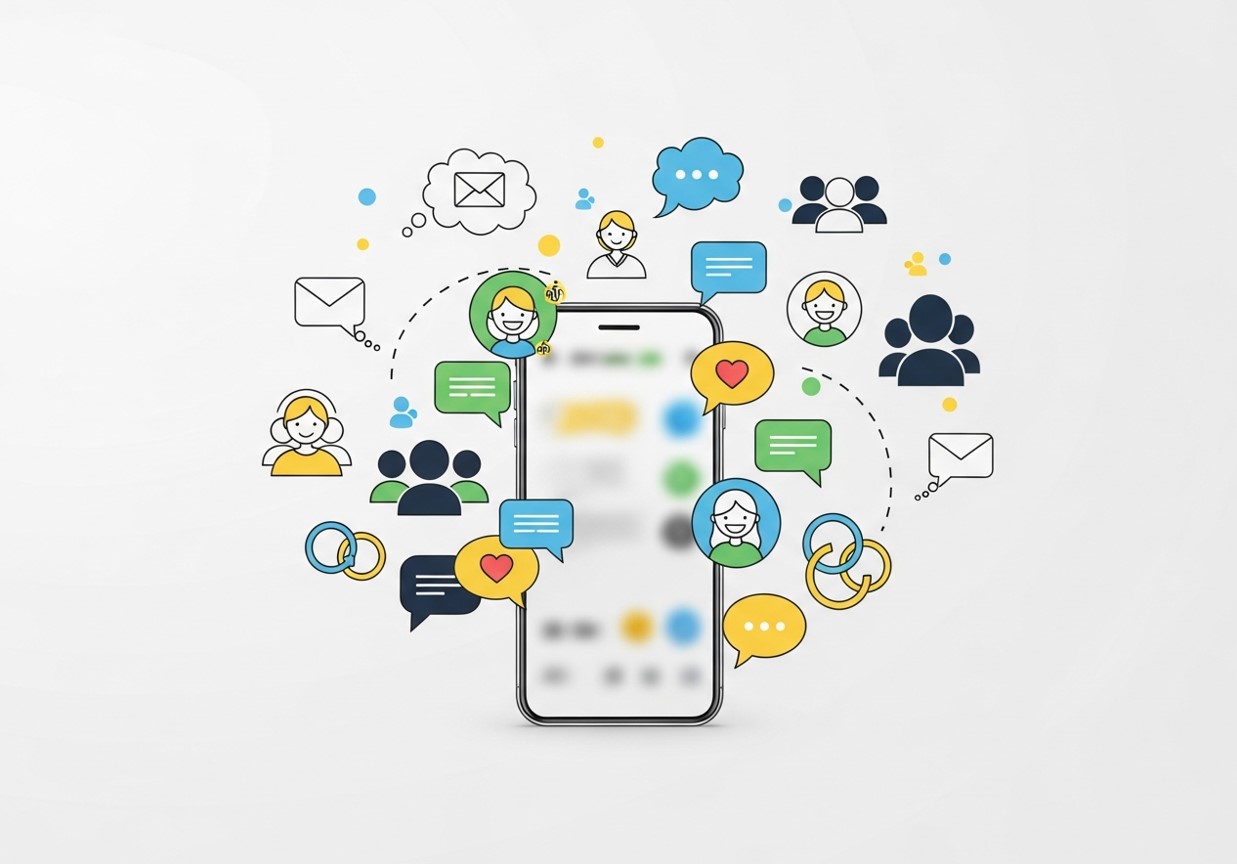
Beyond promotions, SMS marketing can also serve as a community-building tool, transforming subscribers from passive recipients into active brand advocates. Unlike social media, where algorithms dictate visibility, SMS guarantees that your message reaches the subscriber directly—making it a highly intimate channel for fostering engagement.
Brands can use SMS to create exclusive discussion groups, invite subscribers to virtual events, or share behind-the-scenes stories that aren’t available anywhere else. For instance, a fitness brand might send weekly motivational tips, invite users to participate in challenges, or provide sneak peeks into upcoming programs. Over time, this approach nurtures a sense of belonging, encouraging subscribers to engage more deeply and even promote your brand organically.
Additionally, SMS surveys or polls allow brands to collect real-time feedback, giving subscribers a voice while providing valuable insights into preferences, pain points, and product ideas. The combination of community-building and data collection creates a feedback loop that improves marketing strategies while making subscribers feel heard and valued.
AI-Powered SMS for Smarter Growth
Artificial Intelligence (AI) is revolutionizing SMS marketing by enabling smarter segmentation, predictive messaging, and automation. With AI, brands can analyze patterns in subscriber behavior to predict the most effective message timing, preferred content, and likelihood of conversion.
For example, AI algorithms can identify which subscribers are most likely to engage with discounts versus content updates, allowing marketers to tailor campaigns to individual preferences. AI-powered chatbots can also automate responses to common queries, enabling two-way conversations at scale. This not only improves customer experience but also frees up time for your marketing team to focus on strategic initiatives.
Integrating AI into your SMS marketing doesn’t require complex infrastructure. Many modern SMS platforms offer built-in AI features such as predictive send times, behavior-based triggers, and automated personalization, making it easier than ever to deliver relevant, high-impact messages that drive both growth and engagement.
Monitor and Optimize Performance
Successful SMS marketing list growth requires continuous monitoring and optimization based on subscriber behavior and engagement metrics.
Track your opt-in conversion rates across different channels to identify your most effective growth strategies. If social media drives more subscribers than website pop-ups, allocate more resources to social promotion while optimizing underperforming channels.
Monitor unsubscribe rates closely, as they indicate whether your content matches subscriber expectations. High unsubscribe rates shortly after sign-up suggest your lead magnets aren’t attracting the right audience or your initial messages don’t deliver promised value.
Segment new subscribers based on how they joined your list to deliver more relevant initial messages. Someone who subscribed for a discount code has different expectations than someone who joined for exclusive content updates.
Track opt-in rates, unsubscribe rates, and engagement across channels. Segment subscribers by acquisition source to deliver relevant messaging. Optimize campaigns continuously to grow a high-quality SMS list. Learn more from How to Start an SMS Marketing Campaign That Actually Works.
Building Long-term Success
Growing an SMS marketing list isn’t just about initial subscriptions—it’s about creating lasting relationships that drive business results. Focus on delivering consistent value that makes subscribers glad they shared their phone number with your brand.
Start building your SMS marketing list today by implementing one or two of these strategies. Choose methods that align with your existing marketing strengths and gradually expand your efforts as you see results. Remember that sustainable growth comes from providing genuine value rather than aggressive promotion tactics.
The most successful SMS marketing lists grow through word-of-mouth recommendations from satisfied subscribers. When your text messages consistently deliver value, subscribers naturally share your sign-up information with friends and colleagues, creating organic growth that compounds over time.
Frequently Asked Questions (FAQ)
How do I ensure my SMS marketing list stays compliant?
Compliance begins with obtaining explicit consent from subscribers, typically via a double opt-in process. Keep detailed records of how and when subscribers opted in, and always provide a clear, easy way for them to unsubscribe. Familiarize yourself with regulations like the TCPA to avoid penalties.
What types of incentives work best for growing an SMS list?
Immediate, tangible benefits such as discount codes, exclusive content, or early access to sales generally drive the highest conversion. The key is to offer value that feels unique and relevant to your audience.
How frequently should I send SMS messages to subscribers?
Most brands find success with 2–4 messages per week, adjusting frequency for special promotions or campaigns. Avoid overwhelming subscribers, as excessive messaging increases unsubscribe rates.
Can I use SMS marketing for B2B businesses?
Absolutely. While the approach differs from B2C, SMS can effectively reach B2B audiences for appointment reminders, event invitations, product updates, and timely content alerts. Personalization and timing are critical for professional audiences.
How do I measure the success of my SMS campaigns?
Track metrics such as opt-in rate, click-through rate, conversion rate, unsubscribe rate, and overall revenue attributed to SMS. Segmenting by acquisition channel and subscriber behavior can provide deeper insights for optimization.
How do I balance personalization with privacy concerns?
Use segmentation and behavior-based triggers while adhering strictly to consent and privacy regulations. Only collect and use data necessary for delivering relevant, value-driven messages.