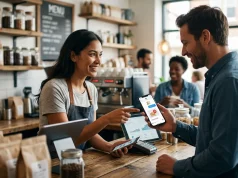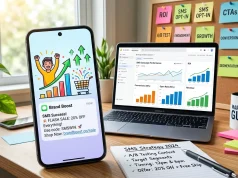
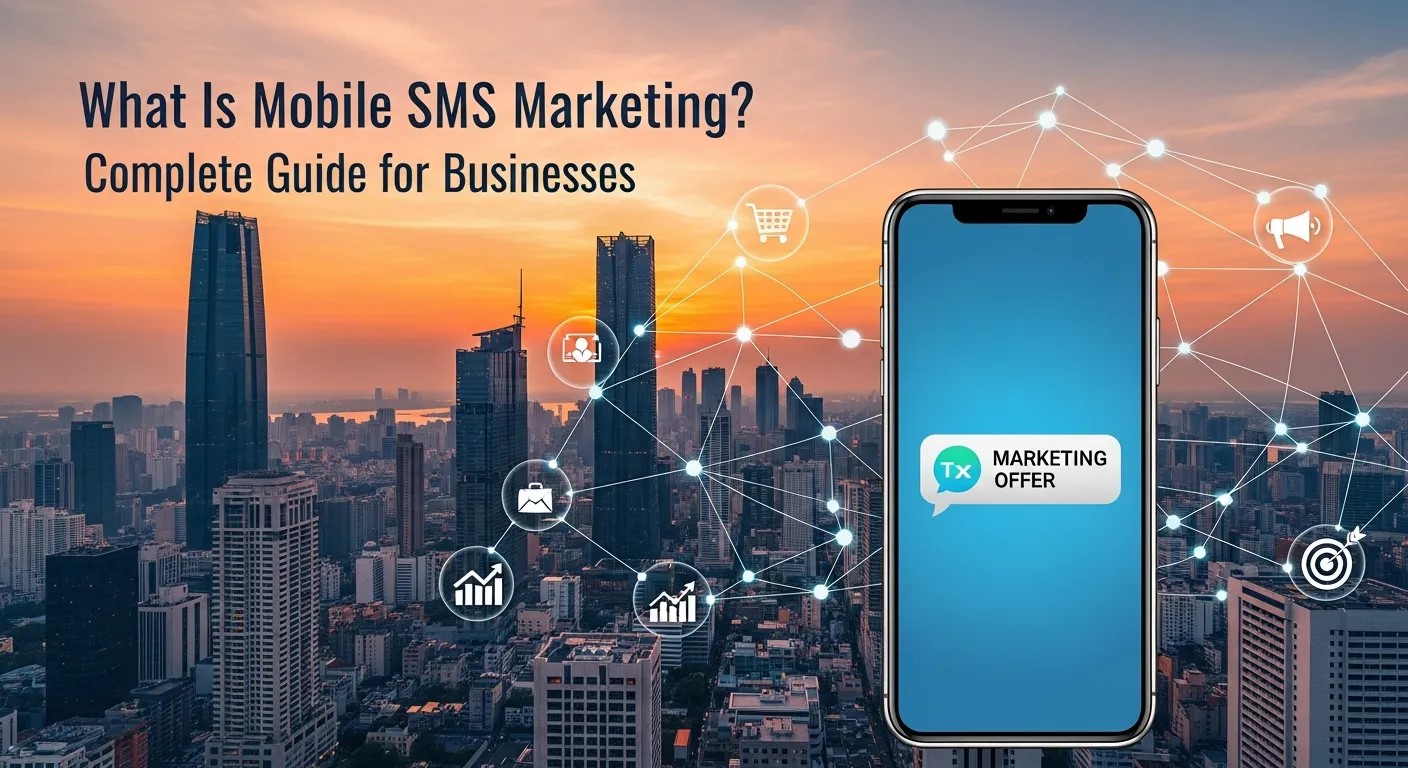
Mobile SMS Marketing enables businesses to reach customers instantly, personalize communication, and drive higher engagement. With cost-effective campaigns, automation, and retargeting strategies, it remains a powerful tool for enhancing ROI and improving customer relationships.
Introduction to Mobile SMS Marketing
In the rapidly evolving world of digital communication, businesses are constantly seeking ways to connect with their audience quickly, efficiently, and personally. One of the most direct channels for achieving this is Mobile SMS Marketing. Unlike traditional advertising, which often relies on broad messaging through TV, radio, or print, SMS marketing enables businesses to reach their customers directly on devices they use daily their mobile phones. This personal touch not only increases engagement but also enhances customer retention.
Mobile SMS Marketing is the practice of sending promotional, transactional, or informational messages to customers via text messages. It is a strategy that has gained immense popularity due to its unparalleled open rates and immediate reach. Studies show that over 90% of text messages are opened within minutes of receipt, making it one of the most effective marketing channels for time-sensitive offers and notifications.
With smartphones becoming an integral part of daily life, leveraging Mobile SMS Marketing ensures that your business messages are delivered to a highly engaged audience. It’s no longer just an option but a critical component of modern marketing strategies.
Why Businesses Are Embracing Mobile SMS Marketing
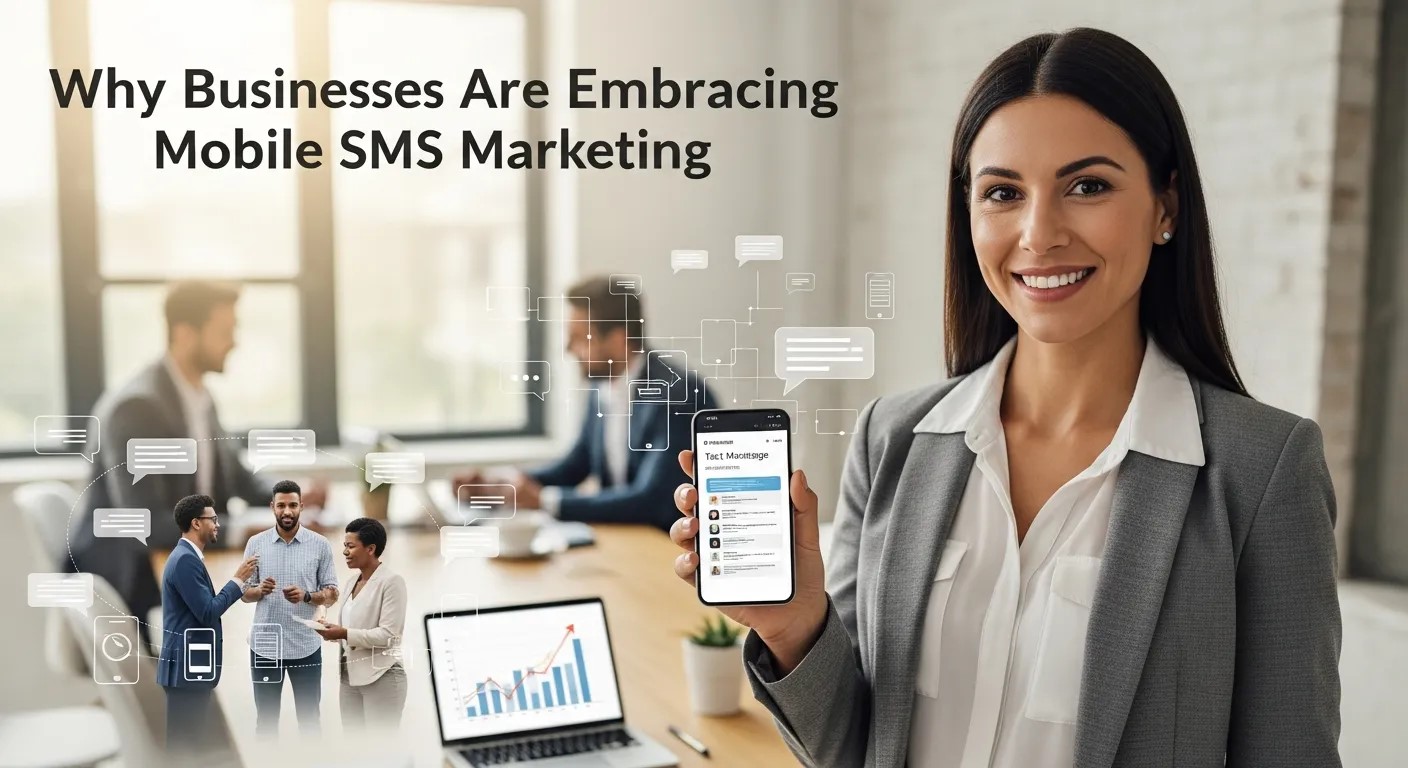
Businesses across industries are increasingly turning to Mobile SMS Marketing for several reasons. First, it allows for instant communication. Unlike emails, which may go unopened or be filtered into spam folders, text messages land directly in the user’s inbox. This immediacy can drive better response rates and prompt action.
Second, Mobile SMS Marketing provides a highly personalized experience. Marketers can segment their audience based on demographics, purchase history, or engagement patterns, allowing them to craft messages that resonate individually. Personalization leads to higher conversion rates because customers feel the message is tailored specifically for them.
Third, SMS campaigns are measurable. Businesses can track delivery rates, open rates, click-through rates, and even conversions from a single campaign. This transparency allows for data-driven decisions and optimization of future campaigns.
Finally, the cost-effectiveness of Mobile SMS Marketing makes it accessible even for small and medium-sized enterprises. Compared to other advertising channels like TV, radio, or paid social media ads, SMS campaigns require minimal investment while delivering impressive ROI.
Key Benefits of Mobile SMS Marketing
1. Instant Reach and High Open Rates
One of the most significant advantages of Mobile SMS Marketing is the speed and certainty of delivery. Messages are received directly on mobile phones, and the majority of users read them within minutes. This ensures that time-sensitive promotions, appointment reminders, and urgent updates reach the target audience without delay.
2. Personalized Communication
Personalization is at the heart of effective marketing. Mobile SMS Marketing allows businesses to segment their audiences and send tailored messages based on customer behavior, preferences, and demographics. This leads to better engagement and stronger customer loyalty.
3. Cost-Effective Marketing
Compared to other digital marketing channels, Mobile SMS Marketing is highly cost-effective. There are no production costs like TV commercials or printing expenses for flyers, and campaigns can be scaled according to budget. Small businesses, in particular, benefit from this affordability while reaching a wide audience.
4. Measurable Results
Every SMS campaign can be tracked and analyzed. Businesses can measure delivery rates, open rates, and customer responses to refine their strategies. The analytics provided by Mobile SMS Marketing platforms offer actionable insights that drive continuous improvement.
5. Versatility Across Industries
From retail and healthcare to education and banking, Mobile SMS Marketing has applications across various industries. It can be used for promotional offers, reminders, alerts, confirmations, and even feedback collection, making it a versatile tool in any marketing toolkit.
How Mobile SMS Marketing Works
Understanding the process of Mobile SMS Marketing is crucial for businesses that want to implement it effectively. The process typically involves the following steps:
Building a Subscriber List – The first step is collecting phone numbers from customers who have opted in to receive messages. This ensures compliance with regulations and enhances the relevance of messages.
Segmenting the Audience – Segmenting the list based on demographics, purchasing behavior, or engagement levels helps deliver targeted messages. Personalized messages increase the likelihood of engagement.
Crafting the Message – Messages should be concise, clear, and actionable. The goal is to communicate the intended message effectively within the 160-character limit of standard SMS.
Scheduling and Sending – Businesses can schedule campaigns for optimal timing or send messages immediately. Timing plays a critical role in engagement rates.
Monitoring and Optimization – After the campaign, marketers analyze metrics such as delivery, open, and conversion rates. These insights inform future campaigns for better performance.
By following this process, businesses can maximize the impact of Mobile SMS Marketing while maintaining a strong relationship with their audience.
Types of Mobile SMS Marketing
Understanding the different types of Mobile SMS Marketing helps businesses select the right approach for their objectives. Depending on the goal, SMS campaigns can be broadly classified into several categories:
1. Promotional SMS
Promotional SMS is one of the most common forms of Mobile SMS Marketing. These messages are designed to inform customers about special offers, discounts, or new product launches. The primary goal is to drive immediate action, such as making a purchase or signing up for a service. Because promotional SMS often includes time-sensitive information, businesses can generate urgency and increase conversion rates.
2. Transactional SMS
Transactional SMS focuses on delivering important information related to a customer’s activity. Examples include order confirmations, shipping updates, or account alerts. Unlike promotional SMS, these messages are expected and often anticipated by customers, making them highly effective in maintaining trust and enhancing the customer experience.
3. OTPs and Verification Messages
One critical use of Mobile SMS Marketing is sending one-time passwords (OTPs) and verification codes. This is particularly valuable for businesses that require secure login or transactional verification. OTP SMS ensures that sensitive actions, such as online payments or account changes, are authenticated safely and efficiently.
4. Alerts and Notifications
Businesses also use Mobile SMS Marketing to send alerts or notifications. This can include appointment reminders, event updates, or service interruptions. Timely notifications enhance customer satisfaction by keeping them informed, reducing missed appointments, and improving engagement.
Advanced Mobile SMS Marketing Strategies

While basic SMS campaigns are effective, leveraging advanced strategies can significantly increase ROI. These strategies focus on automation, retargeting, and personalized engagement.
1. Bulk SMS Marketing
Bulk SMS Marketing allows businesses to send messages to a large audience simultaneously. This strategy is particularly useful for promotional campaigns, product launches, or urgent notifications. By sending SMS in bulk, businesses save time and ensure consistent communication with a wide audience.
Bulk SMS campaigns are effective when paired with audience segmentation. For instance, a retailer can send a seasonal sale message to all customers in a specific region, ensuring relevance while maximizing reach.
2. SMS Marketing Automation
SMS Marketing Automation enables businesses to schedule and automate messages based on customer behavior or specific triggers. For example, a business can automatically send a welcome message when a customer signs up, a birthday offer on their special day, or a follow-up message after a purchase.
Automation not only saves time but also ensures that messages are sent at the right moment, increasing engagement and conversion rates. Integrating SMS automation with CRM systems allows businesses to create highly targeted campaigns that feel personal and timely.
3. SMS Retargeting
SMS Retargeting is a powerful strategy used to re-engage customers who have interacted with a brand but have not completed a desired action. For example, if a customer adds items to a cart but doesn’t check out, a retargeting SMS can remind them of the pending purchase or offer a limited-time discount.
By leveraging data and behavioral triggers, SMS retargeting ensures that messages are relevant and timely. This strategy not only improves conversion rates but also enhances the overall customer journey, making customers feel valued and understood.
Integrating Mobile SMS Marketing into Business Workflow
To maximize the impact of Mobile SMS Marketing, businesses need to integrate it seamlessly into their workflow. This involves planning campaigns, tracking performance, and optimizing strategies over time.
Define Goals and KPIs – Establish clear objectives such as increasing sales, driving website traffic, or improving customer retention. Setting measurable key performance indicators (KPIs) ensures that campaigns can be evaluated accurately.
Select the Right Platform – Numerous platforms offer Mobile SMS Marketing services. Selecting one that integrates with existing systems, supports automation, and provides analytics is essential for effective campaign management.
Create a Campaign Calendar – Planning campaigns ahead of time ensures consistency and avoids message fatigue. A campaign calendar helps businesses schedule promotions, reminders, and notifications strategically.
Segment and Personalize – Segmenting the audience allows for personalized communication. Whether it’s based on location, purchase history, or engagement patterns, personalized messages resonate better and drive higher conversions.
Monitor Performance and Optimize – After sending SMS campaigns, tracking delivery rates, open rates, and responses is critical. Insights from analytics enable businesses to refine their messaging, timing, and targeting for future campaigns.
Mobile SMS Marketing Tools and Platforms
Choosing the right tools is crucial for efficient and effective Mobile SMS Marketing. Modern platforms offer a wide range of features including automation, analytics, and integration capabilities.
| Feature | Description | Benefit |
|---|---|---|
| Campaign Scheduling | Schedule messages in advance | Ensures timely delivery and reduces manual effort |
| Audience Segmentation | Divide subscribers into targeted groups | Improves personalization and relevance |
| Analytics & Reporting | Track delivery, open, and conversion rates | Enables data-driven optimization |
| Automation | Trigger messages based on customer behavior | Saves time and increases engagement |
| Compliance Management | Ensure adherence to local regulations | Reduces risk of legal issues |
Popular platforms support integration with CRM, eCommerce, and marketing tools, allowing businesses to create a cohesive marketing ecosystem. Using these platforms, businesses can manage campaigns efficiently, analyze performance, and scale their Mobile SMS Marketing efforts.
Understanding SMS Marketing Cost
One of the most frequently asked questions by businesses looking to implement Mobile SMS Marketing is about the SMS Marketing Cost. Understanding the pricing structure is essential for budgeting and evaluating ROI.
SMS campaigns generally have two main cost components:
Per-Message Cost – Most platforms charge a fixed amount per SMS sent. Rates may vary based on country, carrier, or message volume. High-volume campaigns often benefit from bulk pricing discounts, making Mobile SMS Marketing more affordable for businesses scaling their outreach.
Platform or Software Fees – Many SMS marketing platforms charge monthly or annual subscription fees. These fees typically include access to tools for automation, analytics, segmentation, and compliance management.
The overall SMS Marketing Cost depends on campaign size, frequency, and the chosen platform. For example, small businesses may spend only a few dollars per campaign for local promotions, while enterprises running international campaigns could invest significantly more. However, the cost is often offset by the high engagement and conversion rates, making Mobile SMS Marketing a cost-effective channel compared to traditional advertising.
Measuring ROI in Mobile SMS Marketing
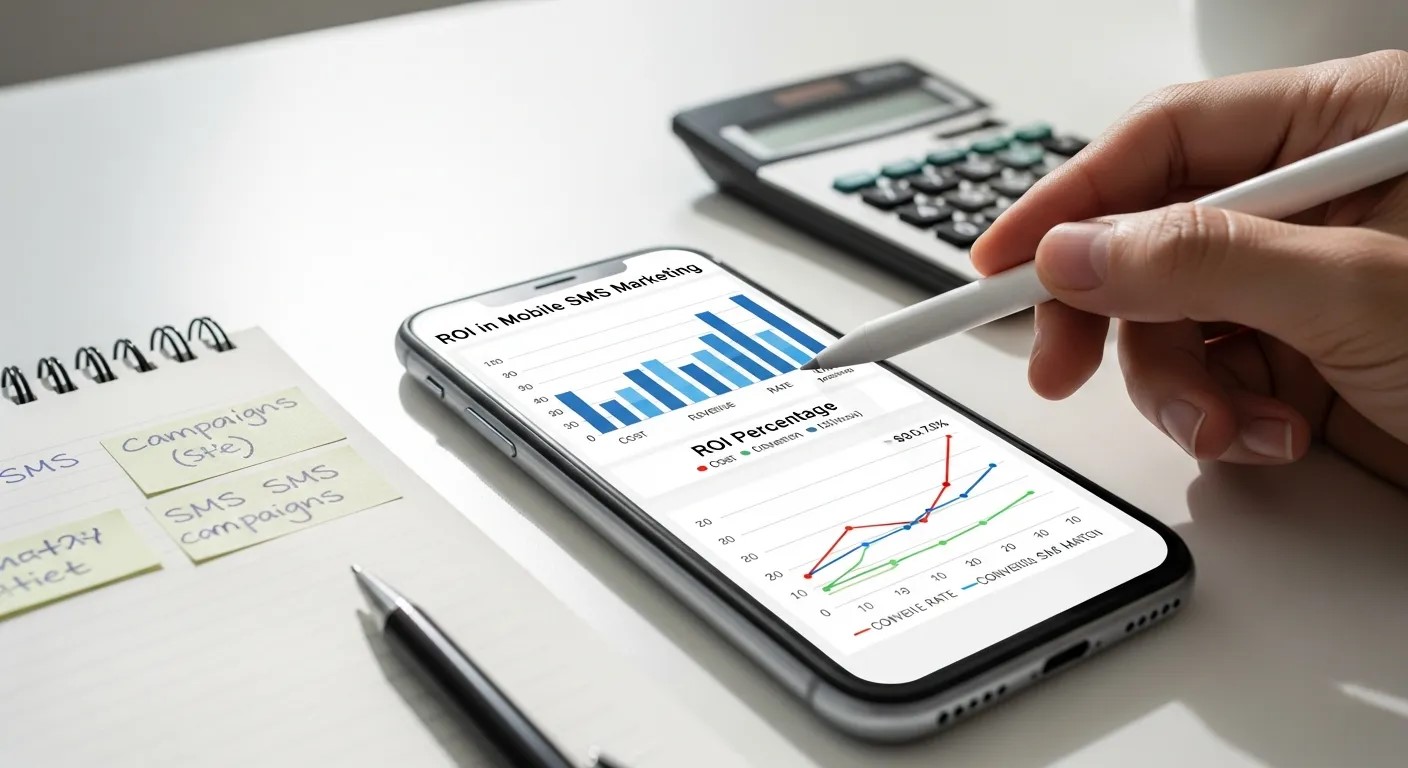
ROI measurement is a critical aspect of any marketing strategy. Mobile SMS Marketing provides clear metrics that help businesses understand the effectiveness of their campaigns. Some key performance indicators include:
Delivery Rate – Percentage of messages successfully delivered to recipients.
Open Rate – Percentage of recipients who open and read the message.
Click-Through Rate (CTR) – For messages containing links, this measures the number of clicks.
Conversion Rate – Percentage of recipients who take the desired action, such as making a purchase or signing up.
Customer Retention – Engagement over time helps evaluate how SMS campaigns influence loyalty.
By analyzing these metrics, businesses can calculate the ROI of Mobile SMS Marketing campaigns, adjust strategies, and allocate budgets more effectively.
Best Practices for Effective Mobile SMS Marketing
To maximize the impact of Mobile SMS Marketing, businesses should follow certain best practices:
1. Obtain Opt-In Permissions
Compliance with regulations like TCPA or GDPR is crucial. Always ensure customers have explicitly opted in to receive SMS messages. This builds trust and avoids legal complications.
2. Keep Messages Concise and Clear
SMS messages have character limits, typically 160 characters. Focus on delivering clear, actionable messages that resonate with the recipient. Avoid clutter and jargon.
3. Personalize Your Messages
Segmentation and personalization enhance engagement. Address customers by name, reference their recent purchases, or tailor offers based on preferences. Personalized Mobile SMS Marketing campaigns outperform generic messaging.
4. Optimize Timing
Timing can significantly affect response rates. Send messages when recipients are most likely to engage, such as during business hours or near special events. Avoid sending late at night or during inconvenient times.
5. Include a Call to Action (CTA)
Every SMS should have a clear CTA, whether it’s visiting a website, redeeming an offer, or confirming an appointment. A compelling CTA drives immediate action.
6. Test and Refine Campaigns
A/B testing different message formats, timings, or offers helps determine what works best. Continuous optimization ensures higher ROI and customer satisfaction.
Trends in Mobile SMS Marketing
As technology evolves, Mobile SMS Marketing continues to adapt. Staying ahead of trends allows businesses to maximize engagement and maintain a competitive edge.
1. Integration with Omnichannel Marketing
Modern SMS campaigns are increasingly integrated with email, social media, and app notifications. Combining channels ensures consistent messaging and increases overall engagement.
2. AI-Powered Personalization
Artificial intelligence enables smarter segmentation and content personalization. AI can predict customer behavior, recommend offers, and automate sending at optimal times.
3. Interactive SMS
SMS is no longer limited to static text. Interactive SMS includes surveys, polls, or clickable options, allowing businesses to engage users more effectively and gather valuable feedback.
4. Hyper-Targeted Campaigns
Hyper-Targeted Marketing Campaigns With improved analytics and data collection, businesses can send hyper-targeted messages based on behavior, location, or purchase history. Hyper-targeted Mobile SMS Marketing drives higher conversions and customer satisfaction.
5. Mobile Wallet and Payment Integration
SMS campaigns are increasingly linked with mobile wallets and payment solutions. This allows users to make purchases directly from the message, streamlining the buying process and enhancing convenience.
Challenges in Mobile SMS Marketing
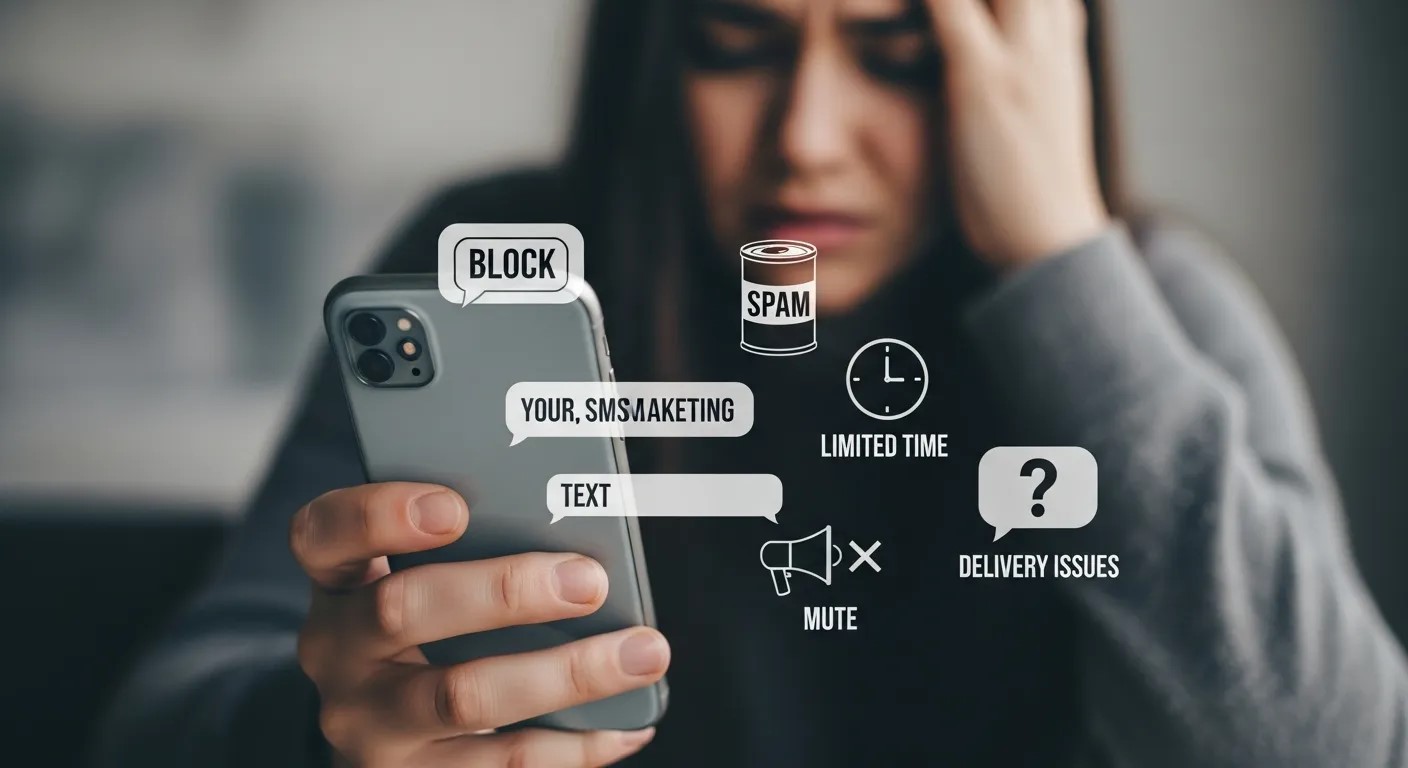
While Mobile SMS Marketing is highly effective, businesses should be aware of certain challenges:
Regulatory Compliance – Different countries have varying laws regarding SMS marketing. Non-compliance can lead to fines or reputational damage.
Message Fatigue – Sending too many messages can annoy recipients and lead to opt-outs. Balancing frequency is crucial.
Character Limit Constraints – SMS messages are brief, making it challenging to convey complex offers or information.
Deliverability Issues – Incorrect numbers, carrier restrictions, or spam filters can affect delivery rates.
Addressing these challenges requires strategic planning, careful monitoring, and using trusted platforms for Mobile SMS Marketing campaigns.
Conclusion
Mobile SMS Marketing is a highly effective channel for businesses to communicate directly with customers, boost engagement, and drive conversions. By leveraging strategies like automation, retargeting, and bulk messaging, businesses can maximize ROI while maintaining personalized connections. With the right planning, tools, and best practices, Mobile SMS Marketing can transform how brands interact with their audience in today’s fast-paced digital landscape.
Frequently Asked Questions (FAQ)
What is Mobile SMS Marketing?
Mobile SMS Marketing is the practice of sending promotional, transactional, or informational text messages directly to customers’ mobile phones. It enables businesses to engage audiences instantly, personalize communication, and improve response rates.
How does Mobile SMS Marketing benefit businesses?
This marketing channel offers high open rates, direct communication, cost-effectiveness, and measurable results. It allows businesses to increase engagement, drive conversions, and maintain strong relationships with customers.
What types of Mobile SMS Marketing exist?
Businesses can use promotional SMS, transactional SMS, OTP messages, and alerts/notifications. Each type serves a unique purpose, from driving sales to keeping customers informed.
What is Bulk SMS Marketing?
Bulk SMS Marketing allows businesses to send large volumes of messages to multiple recipients simultaneously. It’s ideal for promotions, announcements, and urgent notifications.
How does SMS Marketing Automation work?
SMS Marketing Automation schedules or triggers messages based on customer behavior, events, or specific criteria. It saves time while ensuring messages are timely and personalized.
What is SMS Retargeting?
SMS Retargeting involves sending messages to customers who have previously interacted with a business but did not complete a desired action, such as abandoning a shopping cart or leaving a signup incomplete.
How much does Mobile SMS Marketing cost?
SMS Marketing Cost depends on message volume, geographic region, and the platform used. Businesses can manage campaigns efficiently at a relatively low cost compared to traditional marketing channels, making it a high-ROI strategy.