SMS marketing on a shoestring budget enables small businesses to boost sales efficiently through targeted messaging, automation, personalization, and retargeting. Combining SMS with email campaigns, using templates, and tracking metrics ensures maximum engagement, conversions, and measurable ROI without overspending.
SMS Marketing on a Shoestring Budget: Boost Sales
In today’s fast-paced digital world, small businesses often struggle to compete with larger companies that have massive marketing budgets. For those working with limited funds, SMS marketing on a shoestring budget offers an effective way to reach customers directly and boost sales. By sending short, targeted messages, businesses can achieve high engagement without spending heavily on traditional advertising channels.
Unlike expensive social media campaigns or large-scale email marketing, SMS marketing on a shoestring budget delivers your message straight to your customers’ mobile devices. This direct approach takes advantage of the immediacy of text messages, which are read within minutes of receipt. For businesses that cannot afford costly campaigns, this channel provides the perfect combination of affordability and impact.
Why Small Businesses Should Focus on SMS
One of the primary reasons SMS marketing on a shoestring budget is so effective is its ability to capture attention quickly. Unlike email, where inboxes are often crowded, SMS ensures your message appears directly in a place customers notice their phones.
The psychology behind this approach is straightforward: humans are drawn to immediacy and brevity. When a business sends a concise, actionable message, the recipient is far more likely to engage. This makes SMS marketing on a shoestring budget an ideal tool for small businesses looking to maximize limited resources while still achieving measurable results.
Crafting Messages That Convert
Creating compelling SMS messages doesn’t require complex copywriting skills, but it does require strategy. The goal of SMS marketing on a shoestring budget is to communicate value clearly and quickly, motivating customers to act.
Key principles include:
Brevity: Messages should be short and to the point, ideally under 160 characters.
Clear Calls to Action: Every SMS should guide recipients to the next step, such as “Shop Now” or “Claim Your Discount.”
Timing: Sending messages at optimal times, like mid-morning or early evening, increases engagement.
Segmentation: Even small lists can benefit from targeting customers based on past behavior or preferences.
By following these principles, businesses can stretch their marketing budget and generate meaningful engagement.
Using SMS Marketing Templates to Save Time
Small businesses can further optimize campaigns by leveraging SMS marketing templates. Templates provide a pre-written structure that makes sending messages easier, consistent, and more efficient. For example:
| Template Type | Purpose | Example Message |
|---|---|---|
| Flash Sale Alert | Promote limited-time offers | “Hurry! 24-hour sale on summer items. Shop now: [link]” |
| Cart Abandonment | Recover lost sales | “You left items in your cart! Complete your purchase now: [link]” |
| Event Reminder | Notify attendees about events | “Reminder: Your webinar starts at 5 PM today. Join here: [link]” |
| Loyalty Reward | Engage repeat customers | “Thanks for being loyal! Claim your 10% discount: [link]” |
By using SMS marketing templates, businesses operating with tight budgets can maintain professionalism and consistency without additional costs. This ensures that SMS marketing on a shoestring budget is both practical and effective.
SMS Retargeting: Maximizing ROI
Another powerful tactic is SMS retargeting. This strategy focuses on sending messages to users who have already shown interest in your products or services. Instead of spending money reaching a broad audience, small businesses can use SMS retargeting to reconnect with warm leads, improving the likelihood of conversion.
Examples include:
- Re-engaging visitors who browsed specific products but didn’t purchase
- Reminding subscribers of items left in their cart
- Following up with customers who interacted with previous campaigns
Implementing SMS marketing on a shoestring budget with retargeting ensures that resources are focused on high-potential customers, maximizing ROI with minimal expenditure.
Integrating Email and SMS Marketing
Combining email and SMS marketing can amplify results, even for businesses on a tight budget. Coordinating campaigns across these channels allows small businesses to reinforce messaging and guide customers through the purchasing journey more effectively.
For instance, sending a brief SMS notification about a new promotion followed by a detailed email provides context while maintaining immediacy. This approach ensures that your audience receives information multiple times, increasing engagement without requiring large ad spends. SMS marketing on a shoestring budget is particularly effective when paired with email for a well-rounded strategy.
Tracking and Measuring Success
Even with limited funds, it’s crucial to monitor the performance of SMS marketing on a shoestring budget campaigns. Key metrics include:
Click-Through Rate (CTR): Measures how many recipients clicked on links in your messages
Conversion Rate: Tracks the percentage of recipients who completed a desired action
Opt-Out Rate: Shows how many subscribers unsubscribed, providing insights into message relevance
Tracking these metrics allows businesses to refine their campaigns and ensure every dollar is well spent. By continuously optimizing, SMS marketing on a shoestring budget becomes a highly cost-effective tool for growth.
Emerging SMS Marketing Trends
Even small businesses can stay competitive by paying attention to SMS marketing trends:
Hyper-Personalization: Customizing messages based on customer behavior improves engagement.
Interactive SMS: Two-way messaging, polls, and surveys encourage customer participation.
Automation: Automated workflows reduce manual effort while maintaining timing precision.
Privacy Compliance: Following legal guidelines builds trust and protects your business.
Integrating these trends into campaigns ensures that SMS marketing on a shoestring budget remains effective and relevant in today’s fast-changing market.
Choosing the Right Platform
The right platform can make SMS marketing on a shoestring budget much easier. Small businesses should look for platforms that offer:
- Affordable pricing per message or subscription plans
- Automation features for efficiency
- Integration with e-commerce or CRM systems
- Analytics and reporting for continuous improvement
Selecting the right tools ensures campaigns are professional and efficient without requiring large marketing teams.
Key Takeaways
- Psychological impact: Urgency, personalization, and brevity drive engagement
- Efficiency: Templates, automation, and retargeting maximize ROI
- Integration: Combining SMS with email enhances results
- Trends: Staying updated ensures campaigns remain effective and competitive
- Direct access: SMS messages land straight in recipients’ hands, ensuring high visibility
When implemented carefully, SMS marketing on a shoestring budget allows small businesses to achieve significant results without overspending.
Advanced Strategies for SMS Marketing on a Shoestring Budget
For small businesses aiming to maximize results, basic SMS campaigns are only the beginning. SMS marketing on a shoestring budget becomes exponentially more effective when combined with advanced strategies that focus on targeting, automation, and personalization. By applying these methods, businesses can drive higher engagement, increase conversions, and grow revenue without significant costs.
Leveraging Segmentation for Targeted Campaigns
Segmentation is one of the most powerful tools in SMS marketing on a shoestring budget. Sending the same message to all subscribers is inefficient, especially for limited budgets. Instead, dividing your audience into meaningful segments ensures that each message resonates with the recipient.
Common segmentation strategies include:
Behavior-Based Segmentation – Target customers based on past actions, such as previous purchases or product views.
Demographic Segmentation – Group users by age, location, or other personal attributes for more relevant messaging.
Engagement Segmentation – Identify highly active subscribers versus dormant ones and tailor campaigns accordingly.
For example, a small online retailer using SMS marketing on a shoestring budget could send a special offer only to customers who browsed summer collection items in the past week. This precision ensures higher conversion rates without wasting resources on uninterested users.
Automating Campaigns for Efficiency
Automation is key for businesses using SMS marketing on a shoestring budget. Automated workflows reduce manual effort and ensure messages are delivered at the optimal time.
Examples of SMS Automation:
Welcome Messages: Automatically greet new subscribers with a friendly message and a small incentive.
Birthday Offers: Send personalized discounts on a customer’s birthday to encourage purchases.
Abandoned Cart Reminders: Recover lost sales automatically by prompting users to complete their purchase.
Follow-Up After Purchase: Nurture loyalty by thanking customers and offering complementary products.
By automating campaigns, businesses can maintain consistent communication without additional staff costs, making SMS marketing on a shoestring budget both efficient and scalable.
Personalization Without Overspending
Even on a limited budget, personalization can significantly increase engagement. Personalized messages feel more relevant and create a sense of connection with the recipient.
Simple personalization: Include the recipient’s name in the message.
Behavioral personalization: Recommend products based on browsing or purchase history.
Geographic personalization: Tailor offers to specific locations, such as local store events or shipping promotions.
Using these techniques, small businesses can enhance the effectiveness of SMS marketing on a shoestring budget without incurring large costs.
Small Business Success
Consider a boutique online store that wanted to increase sales during a seasonal promotion. With a tight marketing budget, they implemented a strategy based on SMS marketing on a shoestring budget.
Step 1: Segmentation
The store segmented customers into three groups: frequent buyers, occasional buyers, and dormant subscribers.
Step 2: Targeted Messaging
Each group received tailored SMS campaigns:
- Frequent buyers received exclusive early access to the sale.
- Occasional buyers received discount codes for popular products.
- Dormant subscribers were sent a re-engagement offer with free shipping.
Step 3: Automation
Abandoned cart reminders were automated to ensure no sales were lost.
Results
- 35% increase in conversion from SMS campaigns
- 20% higher average order value among frequent buyers
- Minimal marketing spend due to precise targeting
This case study demonstrates how SMS marketing on a shoestring budget can drive significant results by combining segmentation, automation, and personalized messaging.
Integrating SMS Marketing with Other Channels
While SMS marketing on a shoestring budget is effective alone, integrating it with other marketing channels enhances overall performance. For example, combining SMS with social media retargeting or email and SMS marketing campaigns increases reach and reinforces messaging.
Practical Integration Ideas:
Email + SMS Reminder: Send a short SMS alerting recipients to check a detailed email offer.
Social Media + SMS Retargeting: Reach users who interacted with social ads via SMS for higher conversion.
Loyalty Program Alerts: Notify loyalty program members about points or rewards via SMS, then follow up with email for additional details.
By strategically combining channels, businesses make every marketing dollar work harder, maintaining the efficiency of SMS marketing on a shoestring budget.
SMS Retargeting Strategies
SMS retargeting is particularly important for maximizing ROI with limited resources. By focusing on users who have already shown interest, businesses ensure that their messages are more likely to generate conversions.
Examples of effective SMS retargeting campaigns include:
- Reminding users about items left in their online shopping cart
- Promoting related products based on previous purchases
- Encouraging repeat purchases from loyal customers with exclusive offers
This targeted approach ensures that SMS marketing on a shoestring budget delivers measurable results with minimal waste.
Content Strategy for SMS Campaigns
Even brief SMS messages benefit from a thoughtful content strategy. Businesses using SMS marketing on a shoestring budget should consider:
Message Frequency: Avoid sending too many messages to prevent opt-outs.
Tone and Voice: Maintain a friendly, professional tone that aligns with your brand.
Call-to-Action Placement: Ensure every message has a clear, actionable step.
Testing and Optimization: Experiment with different message types and timings to find what works best.
For example, a simple message like, “Hi Sarah! Your favorite summer bag is back in stock. Grab it now: [link]” is concise, personal, and actionable perfect for SMS marketing on a shoestring budget.
Using Analytics to Optimize Campaigns
Analytics are essential to improve SMS marketing on a shoestring budget campaigns. Even with minimal investment, tracking metrics helps identify which messages are most effective.
Key metrics include:
- Click-Through Rate (CTR): How many recipients engaged with your links
- Conversion Rate: How many completed a purchase or desired action
- Opt-Out Rate: Helps refine targeting and content
- Response Rate: Particularly important for interactive SMS campaigns
By analyzing these metrics, small businesses can refine strategies, increase efficiency, and ensure that every dollar spent on SMS marketing on a shoestring budget generates measurable impact.
Combining SMS Marketing with Promotions
Special promotions are a cost-effective way to boost sales. Businesses using SMS marketing on a shoestring budget can promote:
- Flash sales with limited-time offers
- Seasonal or holiday discounts
- Loyalty program rewards
- Exclusive access to new products
SMS messages create urgency and immediacy that email or social media alone cannot achieve. When combined with automation and segmentation, even small budgets can deliver big results.
Practical Tips to Maximize SMS Marketing on a Shoestring Budget
Running a successful campaign doesn’t always require a huge budget. Small businesses can achieve remarkable results by applying SMS marketing on a shoestring budget strategically. From cost-saving hacks to psychological triggers, every detail matters.
Prioritize High-Value Subscribers
Not all contacts are equal. To make the most of SMS marketing on a shoestring budget, focus on subscribers who are most likely to convert:
- Frequent buyers or highly engaged users
- Customers who responded to previous SMS campaigns
- Visitors who browsed products or abandoned carts
By prioritizing high-value subscribers, every message has a better chance of driving revenue without additional spend.
Timing and Frequency
Sending messages at the right time improves engagement. For SMS marketing on a shoestring budget, consider:
- Mid-morning and early evening as peak engagement times
- Avoiding weekends if your audience is mostly professional
- Limiting messages to 2–3 per week to reduce opt-outs
Proper timing ensures SMS marketing on a shoestring budget remains effective while keeping costs low.
Budget-Friendly Automation
Automation allows small teams to run campaigns consistently. Examples include:
- Welcome Series: Automated greetings for new subscribers
- Cart Recovery: Automated reminders for abandoned carts
- Event Notifications: Triggered messages for upcoming webinars or launches
Using automation with SMS marketing on a shoestring budget reduces manual effort and ensures campaigns stay on track.
Personalization and Psychological Triggers
Even simple personalization can improve results. Include the recipient’s name or reference previous actions. Leverage psychological principles like:
- Scarcity: “Limited-time offer, claim now!”
- Urgency: “Only 24 hours left to save 20%”
- Reciprocity: Offer small free incentives to encourage engagement
These techniques maximize conversions while keeping expenses low, making SMS marketing on a shoestring budget highly effective.
Integrating Multi-Channel Marketing
Combining email and SMS marketing strengthens results:
- Send a brief SMS alerting customers to an email promotion
- Follow up abandoned cart reminders with both email and SMS
- Sync social media retargeting with SMS notifications
This ensures your audience receives multiple touches, increasing engagement without increasing budget.
Leveraging SMS Retargeting
Focus your limited resources on SMS retargeting. Target customers who:
- Recently visited your website
- Abandoned shopping carts
- Previously purchased products
Retargeting ensures your SMS marketing on a shoestring budget delivers messages to users most likely to convert, improving ROI.
Cost-Efficient Content and Templates
Using pre-built SMS marketing templates saves time and ensures consistent messaging. Examples:
| Template Type | Purpose | Example Message |
|---|---|---|
| Flash Sale | Promote short-term offers | “Hurry! Sale ends in 24 hours: [link]” |
| Loyalty Reward | Encourage repeat purchases | “Thanks for being loyal! Claim your 10% off: [link]” |
| Abandoned Cart | Recover sales | “Don’t forget your items! Complete purchase: [link]” |
| Event Reminder | Notify about events | “Your webinar starts at 5 PM. Join here: [link]” |
By incorporating templates, businesses can execute SMS marketing on a shoestring budget professionally and efficiently.
Tracking Metrics for Continuous Improvement
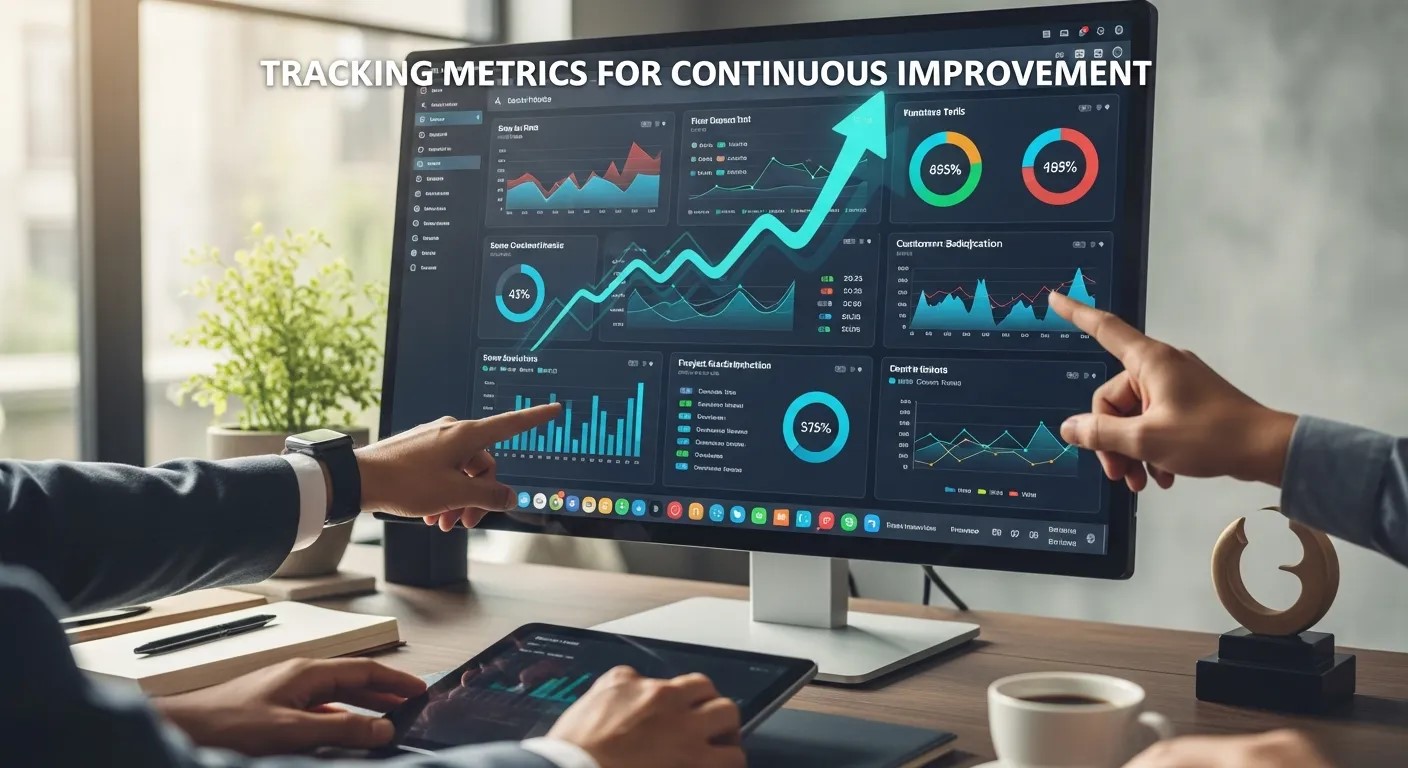
Even on a tight budget, measuring performance is essential. Track:
- Click-through rates (CTR)
- Conversion rates
- Opt-out rates
- Response rates for interactive messages
Analyzing these metrics ensures campaigns stay effective and that SMS marketing on a shoestring budget yields consistent results.
Budget Hacks for Small Businesses
Segment first, spend less: Focus messages on high-potential users
Use automation: Reduce manpower costs
Leverage existing content: Repurpose offers from email or social media
Test and iterate: A/B test messages for best ROI
Integrate with free or low-cost tools: CRM platforms and e-commerce integrations minimize additional spend
These hacks make SMS marketing on a shoestring budget practical and scalable.
Mini Case Study
A small online store with limited funds implemented SMS marketing on a shoestring budget:
- Segmented customers by engagement level
- Used automated abandoned cart messages
- Sent personalized, urgent offers
Results:
- 30% increase in sales during the promotion
- 15% higher engagement from personalized SMS
- Minimal costs, proving the strategy’s efficiency
This example demonstrates how small businesses can achieve big results with careful planning and execution.
Key Takeaways
- Focus on high-value subscribers to maximize limited budget
- Timing, frequency, and automation drive efficiency
- Personalization and psychological triggers boost conversions
- Integrating email and SMS marketing amplifies impact
- Using SMS marketing templates and retargeting ensures cost-effectiveness
- Track metrics to refine campaigns continuously
By following these strategies, SMS marketing on a shoestring budget becomes a powerful tool for small businesses to grow revenue without overspending.
Conclusion
Implementing SMS marketing on a shoestring budget allows small businesses to compete effectively with limited resources. By leveraging targeted segmentation, automation, personalized messages, and SMS retargeting, combined with email campaigns, businesses can drive engagement, boost conversions, and maximize ROI. Thoughtful planning and consistent monitoring ensure cost-efficient campaigns that deliver measurable results and sustainable growth over time.
Frequently Asked Questions (FAQ)
What is SMS marketing on a shoestring budget?
SMS marketing on a shoestring budget is a strategy that allows small businesses to reach customers effectively without spending heavily. It focuses on targeted, concise, and actionable messages to maximize engagement and conversions with minimal costs.
How can small businesses benefit from SMS marketing?
Small businesses benefit from high open rates, direct customer access, and low costs. By using SMS marketing on a shoestring budget, they can increase sales, recover abandoned carts, and drive engagement through personalized and timely messages.
What are the best strategies for running cost-effective SMS campaigns?
Effective strategies include:
- Segmentation of high-value subscribers
- Automation of messages like welcome texts and cart reminders
- Personalization based on customer behavior
- Retargeting previous visitors
These methods ensure SMS marketing on a shoestring budget delivers maximum ROI.
How do SMS Marketing Templates help small businesses?
SMS Marketing Templates save time and maintain consistency across campaigns. They allow businesses to send professional messages without needing extensive resources, making SMS marketing on a shoestring budget more efficient and scalable.
Can SMS marketing be integrated with email campaigns?
Yes. Combining email and SMS marketing enhances results by reinforcing messaging, providing multiple touchpoints, and guiding customers through the purchase journey. This integration amplifies engagement while maintaining a low-cost marketing approach.
What is SMS Retargeting, and why is it important?
SMS Retargeting focuses on re-engaging customers who have already shown interest, such as abandoning a cart or browsing products. It ensures limited resources are spent on high-potential leads, making SMS marketing on a shoestring budget highly effective.
How can small businesses track the success of SMS campaigns?
Key metrics include:
- Click-through rate (CTR)
- Conversion rate
- Opt-out rate
Response rate for interactive messages
Tracking these helps optimize campaigns and ensures SMS marketing on a shoestring budget delivers measurable results.
Are there any emerging trends in SMS marketing?
Current SMS marketing trends include hyper-personalization, interactive messaging, automation, and privacy compliance. Even small businesses with limited budgets can adopt these trends to remain competitive and increase campaign effectiveness.
How often should businesses send SMS messages?
For SMS marketing on a shoestring budget, it’s ideal to limit messages to 2–3 per week. This prevents subscriber fatigue, reduces opt-outs, and maintains engagement while optimizing limited resources.
Can small businesses achieve big results with a small budget?
Absolutely. By combining segmentation, automation, personalization, templates, retargeting, and analytics, SMS marketing on a shoestring budget allows small businesses to compete with larger competitors, drive sales, and grow sustainably without high costs.