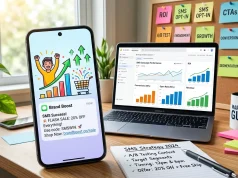

SMS marketing campaigns allow businesses to reach customers directly with highly personal, time-sensitive messages. With open rates around 98%, SMS is ideal for promotions, transactional updates, and informational alerts. Success depends on building a quality subscriber list, crafting clear and valuable messages, timing them strategically, and monitoring performance. When executed thoughtfully, SMS marketing delivers immediate engagement, strengthens customer relationships, and drives measurable results.
Understanding SMS Marketing Campaigns
An SMS marketing campaign is a promotional strategy that uses text messages to communicate with customers and prospects. These campaigns involve sending targeted messages to a list of subscribers who have opted in to receive communications from your business.
Unlike other marketing channels, SMS marketing campaigns deliver messages directly to customers’ mobile phones. This creates an immediate, personal connection that’s hard to ignore. Most people check their phones within minutes of receiving a text message, making SMS campaigns incredibly effective for time-sensitive promotions and important announcements.
SMS marketing campaigns can serve various purposes. Some businesses use them to announce sales and special offers. Others send appointment reminders, shipping notifications, or customer service updates. The versatility of SMS marketing makes it suitable for almost any industry or business size.
Types of SMS Marketing Campaigns

Promotional SMS Campaigns
Promotional SMS campaigns are designed to drive immediate action and boost revenue. These messages often include time-sensitive offers such as discount codes, flash sales, limited-time deals, seasonal promotions, new product launches, or exclusive perks for subscribers. Because SMS is highly personal and instantly delivered, promotional messages work best when they create a sense of urgency and clearly communicate the value to the recipient. To learn strategies for boosting sales, see SMS marketing 10 proven promotion strategies.
Transactional SMS Campaigns
Transactional SMS campaigns deliver essential, real-time information related to a customer’s interaction with your business. Common examples include order confirmations, payment receipts, shipping and delivery updates, appointment reminders, account alerts, and password reset notifications. These messages are triggered by user actions and are expected by customers, which is why they consistently achieve high open and engagement rates. Beyond convenience, transactional SMS builds trust by providing timely, accurate updates and improving the overall customer experience throughout the buyer journey.
Informational SMS Campaigns
Informational SMS campaigns focus on keeping customers informed and engaged without directly pushing sales. These messages may share company updates, upcoming events, service announcements, educational tips, policy changes, or relevant industry insights. While informational campaigns don’t always generate immediate conversions, they play a crucial role in nurturing long-term relationships, maintaining brand awareness, and positioning your business as helpful and reliable. When used strategically, informational SMS strengthens customer loyalty and keeps your brand top-of-mind between promotional campaigns.
Key Components of Successful SMS Marketing Campaigns
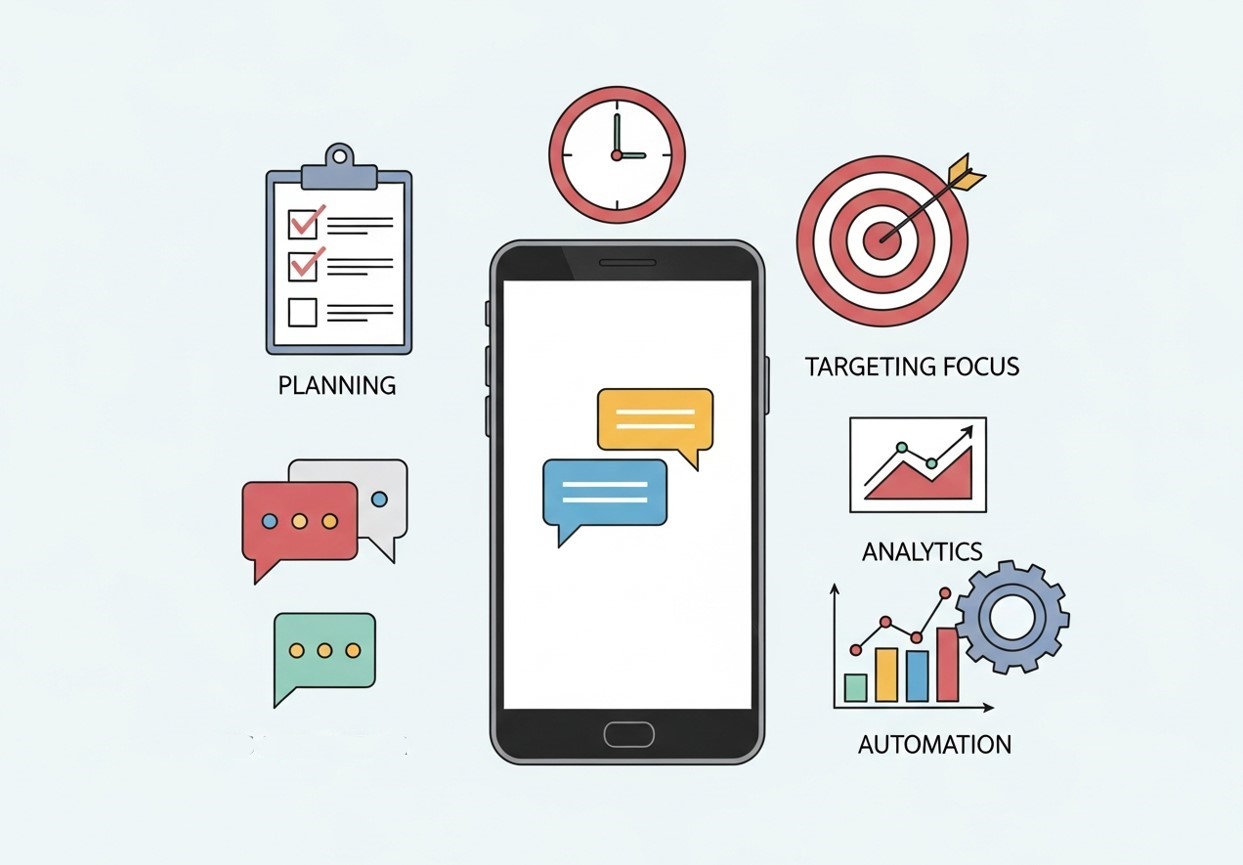
Building Your Subscriber List
The foundation of any SMS marketing campaign is a quality subscriber list. Unlike email marketing, you cannot purchase SMS contact lists. Customers must explicitly opt in to receive text messages from your business. This requirement actually works in your favor, as it ensures you’re reaching people who are genuinely interested in your brand. For tips, check our SMS marketing list building guide.
Common opt-in methods include website forms, social media campaigns, in-store signups, and keyword-based subscriptions. For example, customers might text a specific keyword to your business number to join your SMS list and receive a welcome discount.
Crafting Compelling Messages
SMS messages have a 160-character limit, so every word counts. Successful SMS marketing campaigns use clear, concise language that immediately communicates value. Your message should include a clear call-to-action that tells recipients exactly what you want them to do.
Personalization significantly improves SMS campaign performance. Using customers’ names and referencing their purchase history or preferences makes messages feel more relevant and engaging. Many SMS marketing platforms offer personalization features that automatically customize messages for each recipient.
Timing Your Messages
Timing plays a crucial role in SMS marketing campaign success. Sending messages at the right time can dramatically improve open rates and conversions. Generally, weekday afternoons and early evenings perform well, but the optimal timing depends on your audience and industry. Learn more in when to send SMS marketing messages for maximum impact.
Consider your customers’ time zones when scheduling campaigns. Sending messages too early or too late can annoy recipients and increase unsubscribe rates. Most SMS marketing platforms allow you to schedule messages for optimal delivery times across different regions.
Benefits of SMS Marketing Campaigns
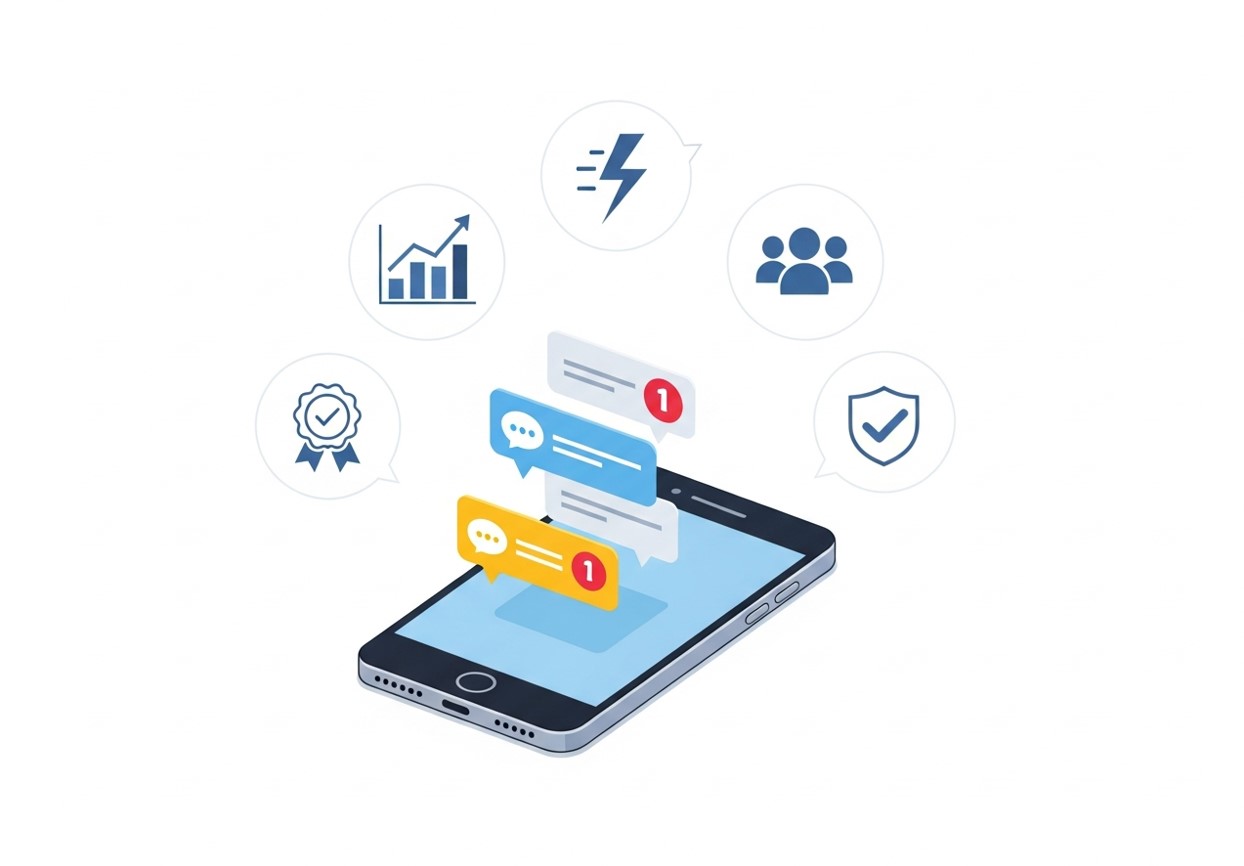
High Open Rates
SMS marketing campaigns boast exceptionally high open rates compared to other marketing channels. While email open rates typically hover around 20-25%, SMS messages achieve open rates of 98% or higher. This means nearly every message you send will be seen by your audience.
Immediate Delivery
Text messages are delivered instantly, making SMS marketing campaigns perfect for time-sensitive promotions or urgent communications. Customers typically read SMS messages within minutes of receiving them, enabling real-time engagement with your audience.
Cost-Effective Marketing
SMS marketing campaigns offer excellent return on investment. The cost per message is typically low, especially when compared to traditional advertising methods. Even small businesses can afford to run comprehensive SMS marketing campaigns without breaking their marketing budget.
Direct Communication Channel
SMS creates a direct line of communication between your business and customers. Unlike social media posts or email campaigns that might get lost in crowded inboxes, text messages appear prominently on customers’ phones and demand immediate attention.
Best Practices for SMS Marketing Campaigns
Obtain Proper Consent
Always obtain clear and explicit consent before adding anyone to your SMS marketing list. This is not only a best practice but a legal requirement in many regions. Customers should knowingly opt in through clear language that explains what type of messages they will receive and how often. Your opt-in process should also clearly communicate how users can unsubscribe at any time, typically with a simple reply such as “STOP.” Transparent consent builds trust, protects your business from compliance issues, and ensures your messages reach an audience that genuinely wants to hear from you.
Provide Value in Every Message
Every SMS you send should deliver a clear benefit to the recipient. This could be a special discount, early access to a promotion, helpful tips, important updates, or exclusive content. Because SMS is a highly personal channel, customers quickly disengage if messages feel irrelevant or purely self-promotional. Avoid sending texts just to “stay visible.” Instead, focus on relevance and usefulness—messages that consistently provide value are more likely to be opened, clicked, and acted upon.
Maintain Consistent Branding
Your SMS marketing campaigns should align with your overall brand voice and identity. Consistent tone, language, and messaging across SMS, email, social media, and other channels help strengthen brand recognition and credibility. If your brand communicates in a friendly and conversational way, your SMS messages should reflect that style. If your brand is more formal or professional, maintain that tone in your texts. Consistency reassures customers that the messages are authentic and reinforces trust in your brand.
Monitor and Optimize Performance
Regularly monitoring campaign performance is essential for long-term SMS marketing success. Track key metrics such as delivery rates, open rates, click-through rates, and conversion rates to understand how your audience is responding. Use these insights to refine your messaging, timing, frequency, and calls to action. A/B testing different message formats, offers, or send times can reveal what resonates most with your subscribers. Continuous optimization ensures your SMS campaigns become more effective and deliver stronger results over time.
Common SMS Marketing Campaign Mistakes to Avoid
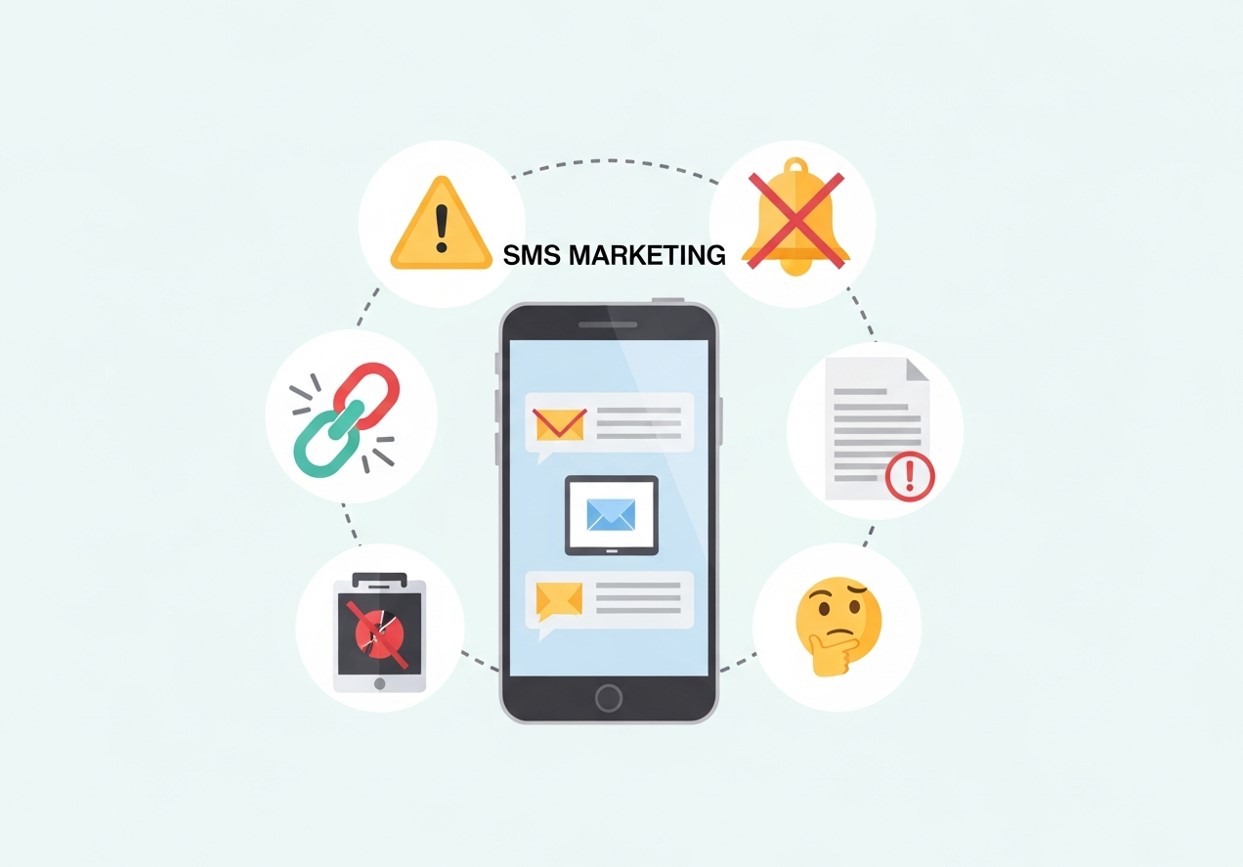
Sending Too Many Messages
Message frequency plays a critical role in the success of SMS marketing campaigns. Sending messages too often can quickly overwhelm subscribers, leading to irritation, reduced engagement, and higher unsubscribe rates. Because SMS is a direct and personal channel, audiences are far less tolerant of over-communication compared to email or social media. While many businesses see strong results with 1–4 messages per month, the ideal frequency ultimately depends on your industry, campaign goals, and audience expectations. Monitoring engagement metrics and allowing subscribers to manage their preferences can help you strike the right balance.
Ignoring Compliance Requirements
SMS marketing is subject to strict legal and regulatory requirements in many regions, making compliance non-negotiable. Businesses must understand and follow rules related to explicit opt-in consent, clear identification of the sender, easy-to-use unsubscribe options, and permissible sending hours. Failing to comply can result in hefty fines, legal consequences, and long-term damage to brand trust. Beyond avoiding penalties, respecting compliance standards demonstrates professionalism and shows customers that you value their privacy and consent.
Neglecting Mobile Optimization
Although SMS messages are naturally optimized for mobile devices, the experience doesn’t end with the text itself. Any links included in your campaigns should direct users to fast-loading, mobile-optimized landing pages that are easy to navigate on small screens. If customers click through and encounter slow load times, broken layouts, or hard-to-use forms, your campaign’s effectiveness drops dramatically. Ensuring a seamless mobile experience helps maintain momentum, improves conversion rates, and maximizes the return on your SMS marketing efforts.
Getting Started with Your SMS Marketing Campaign
Choose the Right Platform
Choosing the right SMS marketing platform is the foundation of a successful campaign. Your platform should align with your business size, goals, and budget while offering essential features such as automation, message personalization, contact segmentation, analytics, and compliance management. Integration with your existing marketing tools—such as CRM systems, email platforms, or eCommerce software—can significantly improve efficiency and data accuracy. Popular platforms like Twilio, SimpleTexting, and EZ Texting are widely used because they offer scalability, reliability, and flexible campaign management options.
Define Your Campaign Goals
Before launching an SMS marketing campaign, it’s important to clearly define what success looks like. Whether your goal is to increase sales, drive website traffic, improve customer engagement, reduce appointment no-shows, or deliver critical updates, having specific and measurable objectives will guide your strategy. Clear goals help determine the type of messages you send, how often you send them, and which metrics you track. They also make it easier to evaluate performance and continuously optimize your campaigns over time.
Create a Content Calendar
A content calendar helps you plan and organize your SMS marketing campaigns in a structured and consistent way. By mapping out messages in advance, you can maintain a steady communication rhythm without overwhelming your audience. A well-planned calendar should include key dates such as seasonal promotions, product launches, holidays, events, and routine customer touchpoints like reminders or updates. This proactive approach improves message relevance, supports long-term campaign consistency, and ensures your SMS strategy aligns with broader marketing efforts.
Transform Your Customer Communication
SMS marketing campaigns offer businesses a powerful way to connect with customers and drive meaningful results. The combination of high open rates, immediate delivery, and direct communication makes SMS an essential part of any comprehensive marketing strategy.
Success with SMS marketing campaigns requires careful planning, consistent execution, and ongoing optimization. Start small, focus on providing value to your subscribers, and gradually expand your campaigns as you learn what works best for your audience.
Ready to launch your first SMS marketing campaign? Begin by choosing a reliable SMS marketing platform and developing a clear strategy for building your subscriber list. With the right approach, SMS marketing can become one of your most effective customer communication channels.
While SMS campaigns offer a direct and cost-effective way to reach customers, integrating them with broader outreach efforts—like Digital PR strategies—can amplify your brand message and build stronger online authority.
Frequently Asked Questions (FAQs)
How often should I send SMS messages to my subscribers?
The ideal frequency depends on your audience and industry, but most businesses find success sending 1-4 messages per month. Too many messages can annoy subscribers, while too few may reduce engagement. Monitor response rates and adjust frequency accordingly.
Can I send SMS messages internationally?
Yes, but be mindful of international regulations, carrier restrictions, and time zones. Ensure you comply with local laws regarding consent, opt-ins, and messaging hours to avoid legal issues.
What makes SMS marketing more effective than email marketing?
SMS messages have higher open rates (around 98%) and are read almost immediately. While email remains valuable for detailed content and newsletters, SMS delivers timely, concise, and direct communication that often drives faster responses.
How can I grow my SMS subscriber list?
Encourage opt-ins through website forms, social media campaigns, in-store promotions, contests, or keyword-based subscriptions. Offering incentives like discounts or exclusive content increases sign-up rates.
Are there industries that benefit most from SMS marketing?
SMS marketing is versatile and effective across many industries, including retail, hospitality, healthcare, fitness, e-commerce, events, and professional services. Any business that communicates regularly with customers can leverage SMS for engagement, reminders, and promotions.
How do I measure the success of my SMS campaigns?
Track metrics such as delivery rates, open rates, click-through rates, conversion rates, and unsubscribe rates. Advanced platforms also provide engagement tracking and ROI analysis, helping you optimize future campaigns.
Can SMS marketing be integrated with loyalty programs?
Absolutely. You can send points updates, exclusive rewards, or personalized offers to subscribers. This strengthens engagement, encourages repeat business, and enhances customer loyalty.