
SMS Marketing Trends You Can’t Afford to Miss
In today’s fast-moving digital world, brands constantly search for faster, more direct ways to reach their audiences. While social media algorithms shift and email inboxes grow crowded, one channel continues to deliver consistent results—SMS. Businesses of all sizes are now paying attention to SMS Marketing Trends because text messaging offers unmatched immediacy, open rates, and engagement levels.
Consumers carry their phones everywhere, and text messages are often read within minutes. This behavior has turned SMS into one of the most powerful communication tools in modern marketing. As technology evolves and consumer expectations grow, understanding SMS Marketing Trends becomes essential for brands that want to remain competitive and relevant.
Why SMS Marketing Is Gaining Massive Momentum
Over the past few years, marketing channels have become more complex and saturated. Paid ads are more expensive, organic reach is declining, and inbox competition is fierce. In contrast, SMS remains simple, direct, and highly effective.
Several factors explain the rapid rise of SMS Marketing Trends:
- Open rates exceeding 90%
- Faster response times compared to email
- Minimal distractions in the SMS interface
- Strong personalization potential
- Growing smartphone adoption globally
Businesses are now shifting budget and attention toward Mobile SMS Marketing as a core engagement channel rather than just a promotional tool.
The Evolution of SMS in the Digital Marketing Ecosystem
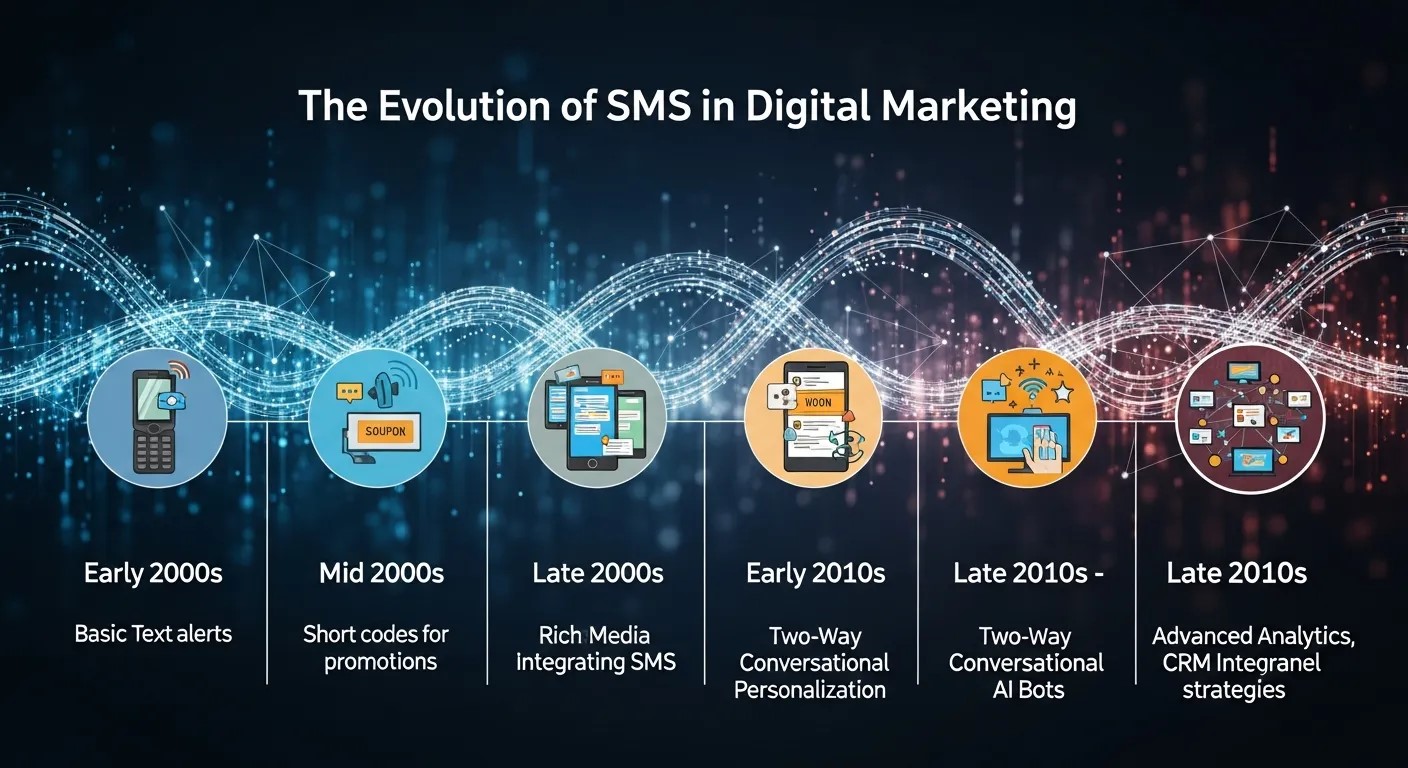
Originally, SMS was used primarily for alerts, notifications, and transactional messages. Today, it has transformed into a full-scale marketing platform that supports promotions, reminders, customer support, and even conversational commerce.
Modern SMS Marketing Trends reflect a shift from simple broadcast messages to highly targeted, automated, and personalized campaigns. Advanced tools now allow brands to segment audiences, trigger messages based on behavior, and integrate SMS with other digital channels.
This evolution has positioned SMS as a central piece of the customer journey rather than a standalone communication method.
Core SMS Marketing Trends Shaping 2026
Understanding current SMS Marketing Trends helps marketers build strategies that align with consumer expectations and technological changes.
1. Hyper-Personalization Through Data
Personalization has become the backbone of modern marketing. Customers expect messages tailored to their interests, behaviors, and preferences.
Brands are now using:
- Purchase history
- Browsing behavior
- Location data
- Engagement patterns
to send relevant, personalized SMS campaigns.
Instead of generic offers, customers receive messages that feel tailored specifically for them. This approach significantly increases engagement and conversion rates.
2. AI-Driven Automation
Artificial intelligence is transforming how marketers approach SMS campaigns. AI tools analyze customer behavior, predict the best send times, and recommend optimized messaging strategies.
With AI integration, businesses can:
- Automate customer journeys
- Predict purchase intent
- Optimize message timing
- Improve response rates
AI-powered tools are becoming central to emerging SMS Marketing Trends because they reduce manual effort while increasing campaign performance.
3. Conversational SMS Marketing
Two-way communication is becoming a major trend. Instead of sending one-sided promotional messages, brands now encourage conversations.
Customers can:
- Reply to offers
- Ask questions
- Book appointments
- Request support
This conversational approach builds trust and creates a more human experience.
4. Integration With Omnichannel Strategies
SMS is no longer a standalone channel. It now works alongside email, social media, and paid ads as part of a unified customer experience.
Many brands combine Email and SMS Marketing to create layered communication strategies. For example:
- Email delivers detailed content.
- SMS provides quick reminders or urgent offers.
This integration ensures consistent messaging across channels while maximizing engagement.
5. Real-Time Campaigns and Flash Promotions
Speed is one of SMS’s biggest advantages. Brands use it for:
- Limited-time offers
- Flash sales
- Event reminders
- Order updates
These real-time campaigns align perfectly with modern consumer behavior, where immediate gratification drives decisions.
6. Compliance and Privacy-Focused Messaging
As data privacy concerns grow, regulations around SMS marketing are becoming stricter. Businesses must:
- Obtain explicit consent
- Provide opt-out options
- Follow regional regulations
Modern SMS Marketing Trends emphasize transparency and respect for customer preferences. Brands that follow ethical practices build stronger trust and long-term loyalty.
How Consumer Psychology Drives SMS Engagement
Understanding human psychology is crucial for successful SMS campaigns. Text messages feel personal and direct, which triggers immediate attention.
Key Psychological Factors
1. Urgency
Short, time-sensitive messages create a fear of missing out (FOMO), encouraging quick action.
2. Personal Connection
SMS feels like a one-to-one communication channel rather than mass advertising.
3. Simplicity
Short, clear messages reduce cognitive load and increase response rates.
These psychological triggers explain why SMS Marketing Trends continue to outperform many other digital channels.
The Role of SMS Retargeting in Modern Campaigns
Retargeting is no longer limited to display ads and social media. SMS Retargeting allows brands to reconnect with customers who have already shown interest in their products or services.
For example:
- A user abandons a shopping cart.
- The system triggers an SMS reminder.
- The message includes a personalized offer.
This strategy helps recover lost sales and keeps brands top of mind.
Cost Efficiency and ROI of SMS Campaigns
One of the biggest reasons businesses are exploring SMS Marketing Trends is the strong return on investment.
When marketers analyze SMS Marketing Cost?, they often find:
- Lower costs compared to paid ads
- Higher conversion rates
- Better customer retention
- Faster campaign results
SMS campaigns typically require less creative production and smaller budgets, making them accessible to both startups and large enterprises.
Industry-Specific SMS Marketing Trends
Different industries are adopting SMS in unique ways.
E-commerce
- Cart abandonment reminders
- Flash sale alerts
- Shipping updates
Healthcare
- Appointment reminders
- Prescription notifications
- Health tips
Hospitality
- Booking confirmations
- Check-in instructions
- Loyalty offers
Education
- Enrollment reminders
- Class updates
- Event notifications
Each industry adapts SMS Marketing Trends to fit its customer journey and communication needs.
The Rise of Rich Communication Services (RCS)
RCS is the next evolution of SMS, offering features similar to messaging apps.
With RCS, brands can send:
- Images
- Buttons
- Carousels
- Interactive elements
This technology transforms traditional text messaging into a more engaging, app-like experience.
Data-Driven SMS Campaign Optimization
Successful SMS strategies rely heavily on analytics. Marketers now track:
- Open rates
- Click-through rates
- Conversion rates
- Response times
- Opt-out rates
By analyzing these metrics, brands can refine their approach and stay aligned with evolving SMS Marketing Trends.
Timing and Frequency: The Science Behind Send Schedules
Sending messages at the right time can dramatically impact performance.
Best practices include:
- Sending promotional messages during peak engagement hours
- Avoiding early mornings or late nights
- Limiting message frequency to prevent fatigue
Modern tools use AI to determine the optimal send time for each subscriber.
Building a High-Quality SMS Subscriber List
A strong SMS strategy begins with a high-quality subscriber base.
Effective List-Building Methods
- Website pop-ups
- Checkout opt-ins
- Social media promotions
- Loyalty programs
- In-store sign-ups
Quality matters more than quantity. A smaller, engaged list often outperforms a large, uninterested audience.
Message Crafting: What Makes an SMS Convert
The structure of a message plays a critical role in its success.
Elements of a High-Converting SMS
- Clear and direct language
- Personalized greeting
- Strong call-to-action
- Time-sensitive offer
- Short, scannable format
These elements align with the core principles behind effective SMS Marketing Trends.
Automation and Customer Journeys
Automation allows businesses to send messages based on user behavior.
Common Automated SMS Flows
- Welcome messages
- Cart reminders
- Post-purchase follow-ups
- Birthday offers
- Re-engagement campaigns
Automated flows ensure consistent communication without manual effort.
The Role of SMS in Customer Retention
While many marketers focus on acquisition, retention is often more profitable.
SMS helps retain customers through:
- Loyalty rewards
- Exclusive offers
- Personalized updates
- Re-engagement campaigns
These strategies are central to long-term SMS Marketing Trends.
Metrics That Define SMS Campaign Success
To measure effectiveness, marketers focus on key performance indicators.
| Metric | What It Measures | Why It Matters |
|---|---|---|
| Open Rate | Percentage of messages opened | Shows reach and visibility |
| Click-Through Rate | Percentage of clicks on links | Indicates engagement |
| Conversion Rate | Actions taken after message | Measures ROI |
| Opt-Out Rate | Unsubscribes after messages | Signals message relevance |
| Response Time | Time taken to reply | Reflects urgency and interest |
Tracking these metrics helps refine strategies and stay aligned with evolving SMS Marketing Trends.
Future Predictions for SMS Marketing
Looking ahead, several developments are expected to shape the next phase of SMS Marketing Trends.
1. Deeper AI Integration
AI will handle more aspects of campaign management, from segmentation to copy generation.
2. More Interactive Messaging
RCS and interactive SMS formats will become more common.
3. Voice and SMS Integration
Voice assistants may trigger or respond to SMS campaigns.
4. Stronger Privacy Regulations
Compliance and transparency will become even more important.
How Businesses Can Adapt to Emerging Trends

To stay competitive, businesses should:
- Invest in automation tools
- Focus on personalization
- Integrate SMS with other channels
- Monitor analytics regularly
- Maintain compliance with regulations
Adapting early to SMS Marketing Trends gives brands a significant advantage in crowded markets.
Advanced Audience Segmentation in SMS Campaigns
One of the most important SMS Marketing Trends today is the shift from broad messaging to precise audience segmentation. Instead of sending the same message to every subscriber, brands are now dividing their audiences into smaller, behavior-based groups.
This approach allows marketers to align their campaigns with specific customer needs. As SMS Marketing Trends evolve, segmentation is becoming a core factor in campaign success.
Types of SMS Segmentation
1. Demographic Segmentation
Marketers group audiences by age, gender, location, or occupation. This helps tailor messages that resonate more effectively.
2. Behavioral Segmentation
Customers are segmented based on their interactions, such as purchases, browsing activity, or previous SMS engagement. This type of segmentation aligns strongly with emerging SMS Marketing Trends focused on personalization.
3. Engagement-Based Segmentation
Subscribers are categorized by how frequently they open or respond to messages. Highly engaged users might receive exclusive offers, while inactive users may get re-engagement campaigns.
By combining these segmentation strategies, businesses can align their campaigns with modern SMS Marketing Trends and achieve higher engagement rates.
The Role of Short Codes and Long Codes
As SMS Marketing Trends become more sophisticated, businesses are choosing between short codes, long codes, and toll-free numbers for their campaigns.
Short Codes
Short codes are 5–6 digit numbers used for high-volume messaging. They are ideal for:
- Promotional campaigns
- Voting or contests
- Large-scale notifications
Long Codes
Long codes are standard phone numbers used for more conversational messaging. They are suitable for:
- Customer support
- Appointment reminders
- Two-way communication
Choosing the right number type is an important part of aligning with current SMS Marketing Trends.
Personalization Beyond the First Name
Early SMS campaigns often relied on basic personalization, such as adding the customer’s first name. However, modern SMS Marketing Trends go far beyond that.
Advanced Personalization Techniques
1. Purchase-Based Offers
Sending discounts related to previous purchases increases relevance.
2. Location-Based Messages
Brands can send offers when customers are near a physical store.
3. Behavioral Triggers
Messages triggered by actions, such as abandoned carts or page visits, are becoming central to SMS Marketing Trends.
Personalization increases message relevance, which leads to higher engagement and better conversion rates.
The Importance of Message Timing in SMS Strategies
Timing plays a critical role in campaign success. Even the best message can fail if it reaches customers at the wrong moment.
Modern SMS Marketing Trends emphasize data-driven timing strategies.
Optimal Timing Principles
- Send promotional messages during lunch or early evening hours.
- Avoid early mornings and late nights.
- Adjust timing based on time zones.
- Use analytics to identify peak engagement periods.
AI tools now analyze user behavior to determine the best send times, making timing a key part of SMS Marketing Trends.
The Psychology of Short-Form Communication
SMS works because it matches how people naturally communicate on their phones. Most conversations happen through short, quick messages rather than long emails.
This behavioral pattern is one reason SMS Marketing Trends continue to grow.
Why Short Messages Perform Better
1. Faster Decision-Making
Short messages reduce the time needed to process information.
2. Higher Attention Levels
Text messages usually appear as notifications, drawing immediate attention.
3. Minimal Distractions
Unlike social media, SMS has no competing content around the message.
These psychological factors make SMS one of the most effective marketing channels.
Loyalty Programs and SMS Integration
Many brands are now combining loyalty programs with SMS strategies. This approach aligns closely with modern SMS Marketing Trends focused on retention and customer lifetime value.
How SMS Enhances Loyalty Programs
- Instant reward notifications
- Exclusive member-only offers
- Points balance updates
- Birthday or anniversary discounts
SMS adds immediacy to loyalty programs, making them more engaging and effective.
SMS in Customer Support and Service
Customer support is becoming a major component of SMS Marketing Trends. Instead of waiting on hold or navigating complex chat systems, customers prefer quick text-based communication.
Benefits of SMS Support
- Faster response times
- Lower support costs
- Higher customer satisfaction
- Convenient communication
Businesses are now using SMS not only for promotions but also for service-related interactions.
Interactive SMS Campaigns
Interactive campaigns are one of the fastest-growing SMS Marketing Trends. These campaigns encourage users to respond, vote, or interact directly with the brand.
Examples of Interactive SMS
- Polls and surveys
- Quiz-based promotions
- Appointment confirmations
- Product selection menus
Interactive messaging creates a more engaging experience and strengthens customer relationships.
The Rise of Subscription-Based SMS Content
Another emerging aspect of SMS Marketing Trends is subscription-based messaging. Instead of only sending promotional messages, brands now offer valuable content via SMS.
Types of Subscription SMS Content
- Daily tips or insights
- News updates
- Educational content
- Exclusive insider information
This approach turns SMS into a value-driven channel rather than just a sales tool.
Global Adoption of SMS Marketing
SMS adoption is increasing worldwide, especially in regions where smartphone usage is growing rapidly.
Global SMS Marketing Trends show strong growth in:
- E-commerce markets
- Emerging economies
- Mobile-first populations
- Regions with limited internet access
Because SMS works on almost any mobile device, it remains one of the most accessible marketing channels.
SMS and the Future of Commerce
Commerce is becoming more conversational, and SMS is at the center of this transformation. Customers can now:
- Browse products
- Receive recommendations
- Complete purchases
- Get order updates
All through text-based interactions.
These developments are shaping the next phase of SMS Marketing Trends, where messaging becomes a primary commerce channel.
The Role of Analytics in Shaping Future Strategies

Data analytics is a driving force behind successful campaigns. Marketers rely on data to refine their strategies and stay aligned with SMS Marketing Trends.
Key Analytical Insights
- Customer lifetime value
- Message engagement patterns
- Conversion paths
- Retention metrics
By analyzing these insights, businesses can continuously improve their SMS strategies.
Cross-Device and Cross Channel Tracking
Modern consumers move between devices and channels throughout the day. Advanced tracking tools now connect these interactions into a unified view.
This capability allows brands to:
- Track customer journeys across platforms
- Send more relevant messages
- Improve attribution models
Cross-channel tracking is becoming a core component of advanced SMS Marketing Trends.
Voice, Chatbots, and SMS Integration
The future of messaging will involve deeper integration between voice assistants, chatbots, and SMS platforms.
For example:
- A voice assistant triggers an SMS reminder.
- A chatbot sends a follow-up message.
- An SMS includes a voice response option.
These integrations are expected to become central to future SMS Marketing Trends.
Conclusion
SMS continues to evolve as one of the most direct and effective marketing channels in the digital landscape. As consumer behavior becomes more mobile-centric, businesses that follow modern SMS marketing trends can create faster, more personalized, and highly engaging communication strategies. From AI-driven automation to conversational messaging and omnichannel integration, these trends are reshaping how brands connect with their audiences.
Companies that invest in data-driven segmentation, ethical practices, and real-time engagement will gain a significant competitive advantage. By adapting to emerging SMS marketing trends and aligning them with customer intent, businesses can improve conversions, strengthen loyalty, and build long-term relationships in an increasingly competitive marketplace.