
SMS marketing helps nonprofits reach donors quickly with 95%+ open rates and strong engagement. It supports fundraising, alerts, and volunteer coordination while offering personalization, compliance guidance, segmentation tips, and key metrics to build effective, high-impact campaigns.
Unmatched Engagement Rates
Text messaging remains one of the most immediate channels available to organizations today. With average open rates soaring above 95% and response rates up to ten times higher than email, SMS marketing for nonprofits provides unparalleled visibility into supporters’ communication habits. A study by the Pew Research Center reveals that 90% of texts are read within three minutes of receipt, making SMS ideal for timely appeals—such as urgent donation requests or alerts about matching gift deadlines. Organizations that align their schedules with strategic events like Giving Tuesday or disaster relief initiatives can maximize response. Compliance with guidelines enforced by agencies like the FCC ensures high deliverability and prevents carrier filtering. Maintaining clean contact lists and honoring opt-in preferences helps nonprofits sustain strong engagement metrics campaign after campaign.
Cost-Effective Outreach
For nonprofits working with limited budgets, affordability is critical. SMS campaigns generally cost just a few cents per message, offering a significant cost advantage over direct mail, print ads, or paid social media. Even small organizations can launch segmented mobile campaigns targeting first-time donors, major supporters, or re-engagement prospects, especially when following SMS marketing 101 best practices. Many SMS platforms include analytics dashboards that report cost per conversion, click-through rates, and opt-out ratios, enabling nonprofits to measure ROI and optimize spend. Furthermore, affordable pricing empowers nonprofits to conduct A/B tests on message formats, delivery times, and calls-to-action without incurring prohibitive costs, proving that SMS marketing for nonprofits combines low overhead with high analytical precision.
Personalized and Inclusive Engagement
Personalization fosters stronger bonds between nonprofits and their supporters. By using merge tags to insert each recipient’s name or referencing their previous contributions, SMS marketing for nonprofits can deliver highly relevant content. Messages like “Sarah, your gift last month helped provide clean water—can you support another community today?” feel sincere and compelling. Advanced segmentation allows organizations to send region-specific updates or highlight programs favored by different donor tiers, enhancing relevance. Strong segmentation practices mirror those outlined in SMS audience segmentation strategies, helping nonprofits tailor outreach more effectively.
SMS also broadens inclusivity, reaching individuals who may lack reliable broadband or seldom check email. Crafting messages in a warm, conversational tone that aligns with your mission not only reduces opt-out rates but also nurtures long-term loyalty and deeper engagement across diverse supporter groups. Nonprofits can strengthen personalization even further by leveraging insights from how SMS mobile marketing works and applying thoughtful list-building strategies to ensure accurate targeting.
Building a Strong SMS Marketing Strategy
 Setting Clear Objectives and KPIs
Establishing clear goals is the foundation of any successful mobile outreach. Before crafting your first message, define what you want to achieve—whether it’s one-time donations, recurring gifts, volunteer sign-ups, or event registrations. Assign measurable key performance indicators (KPIs) such as opt-in rate, click-through rate (CTR), conversion rate, and average gift size to track progress. For example, aim for an opt-in rate above 20% on new campaigns and a CTR of at least 15% on donation appeals. Monitoring these metrics in real time allows you to pivot quickly if performance lags. Many SMS platforms integrate with donor management systems to automate KPI reporting, providing dashboards that display trends, benchmarks, and areas for improvement.
Obtaining Consent and Opt-Ins
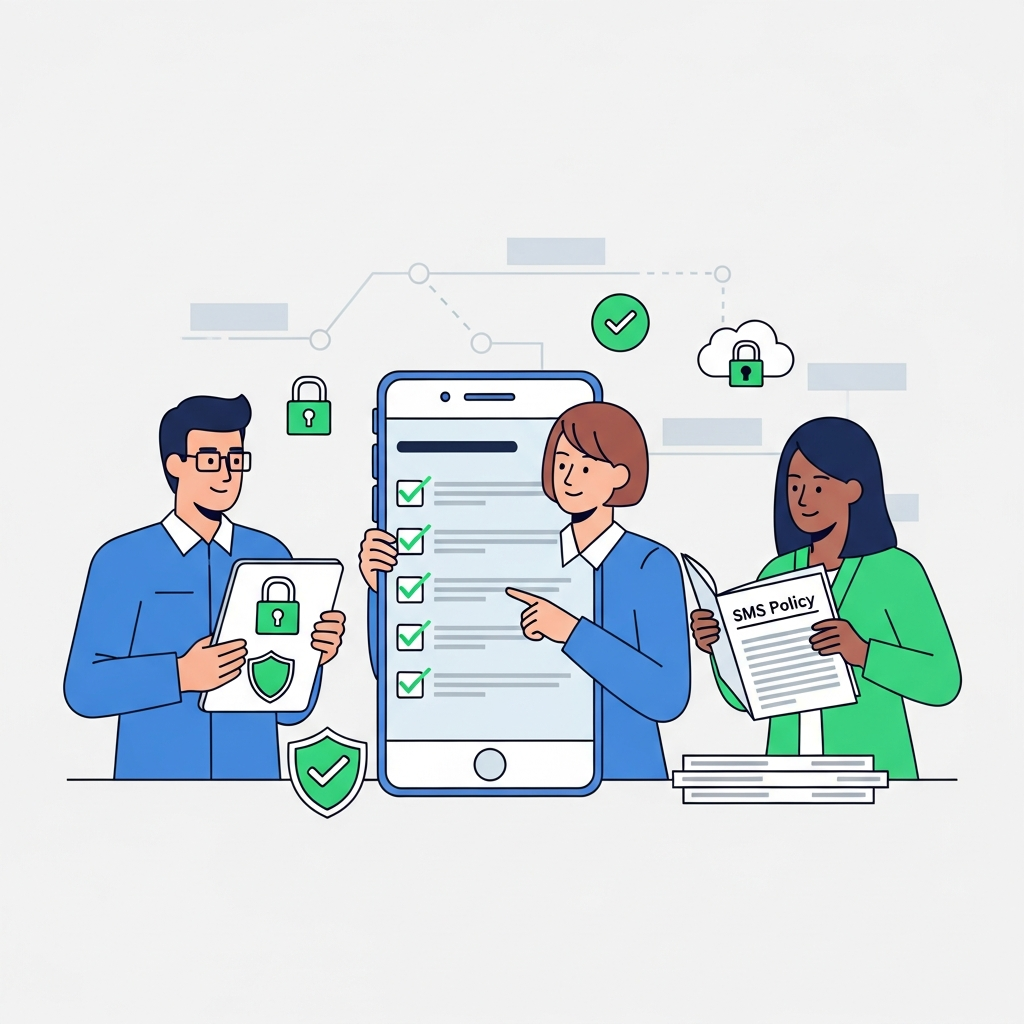
Compliance and respect for supporter privacy are paramount in SMS marketing for nonprofits. In the United States, the Telephone Consumer Protection Act (TCPA) requires explicit opt-in consent before sending promotional text messages. To facilitate opt-ins, promote your SMS list through multiple touchpoints—website pop-ups, donation confirmation pages, event signage, and email newsletters. Use clear, straightforward language such as “Text JOIN to 12345 to receive updates and donation alerts from [Your Organization].” Store opt-in timestamps and consent language to demonstrate compliance. Offering incentives, like exclusive impact stories or early-bird event discounts, can encourage more supporters to subscribe and boost your SMS subscriber base responsibly.
Audience Segmentation
Crystal-clear segmentation ensures that supporters receive only the most relevant messages. Group contacts by donation history, geographic location, engagement level, or program interests. For instance, send major donor updates on capital campaigns to high-value supporters, while targeting community volunteers with local event reminders. Advanced platforms allow dynamic segments that update automatically based on actions, such as text replies or form submissions. By tailoring each appeal to a specific audience, nonprofits can improve response rates and reduce opt-outs, turning SMS marketing for nonprofits into a highly personalized experience.
Crafting Effective Messages
Great SMS copy is concise, action-oriented, and urgency-driven. Keep messages under 160 characters whenever possible, leading with a friendly greeting and featuring one clear call-to-action (CTA). Use short links generated by tracking tools to measure click-throughs. Incorporate power words like “urgent,” “today,” or “now” to inspire prompt responses. Test variations in tone—such as formal versus conversational—to see which resonates best. Always include instructions for how to reply, donate, or access more information. For example: “Alex, our shelter is at capacity. Will you help a family tonight? Reply GIVE20 to donate $20. Text INFO for details.” This approach ensures clarity and drives immediate engagement.
Ensuring Compliance and Best Practices
 Frequency and Timing Guidelines
In SMS marketing for nonprofits, striking the right balance between reach and respect is key. Sending too many messages can overwhelm supporters, prompting opt-outs, while too few may reduce campaign momentum. Currently, best practice suggests limiting non-urgent texts to two to four per month, reserving additional messages for critical updates. Schedule messages during appropriate hours—between 9 a.m. and 8 p.m. in the supporter’s local time zone—to respect personal boundaries. Many SMS platforms offer send time optimization features that analyze when recipients are most likely to engage. By adhering to considerate frequency and timing guidelines, nonprofits can maintain a positive brand image and high response rates.
Opt-Out Mechanisms
Transparency in opting out builds trust and ensures compliance with regulations such as the TCPA and GDPR. Every SMS marketing for nonprofits campaign should include a clear opt-out instruction, such as “Reply STOP to unsubscribe.” Implementing an automated suppression list that immediately removes unsubscribed numbers safeguards against accidental messaging. Regularly audit your contact database to confirm that unsubscribed or invalid numbers are purged, improving overall deliverability. Providing a brief confirmation message—“You have successfully unsubscribed. Reply HELP for more options.”—demonstrates respect for supporters’ preferences while offering customer service touchpoints.
Personalization and Tone
In a crowded communication environment, authenticity shines through. Beyond inserting a recipient’s name, leverage data like giving history or volunteer involvement to tailor content. A warm, conversational tone reinforces your nonprofit’s mission and humanizes the outreach. Avoid overly formal language or industry jargon; instead, write as if texting a friend. Inject brief impact statements or gratitude—“Your $25 gift last month provided shelter for a family—thank you!”—to strengthen emotional connection. Segmenting by language preference or demographics further refines tone, ensuring messages resonate across diverse supporter communities. Always conduct A/B tests on message length, tone, and timing to determine optimal approaches. Monitoring feedback from volunteers and donors can reveal preferences that guide tone adjustments, making each campaign progressively more effective.
Key Metrics to Track
In order to refine SMS marketing for nonprofits, tracking the right metrics is essential. Delivery rate indicates how many messages reach valid numbers, signaling list hygiene and carrier compliance. Open rate reveals initial engagement, while click-through rate (CTR) measures how many recipients follow embedded links. Conversion rate tracks completed actions—donations, registrations, or sign-ups—providing direct insight into campaign ROI. Additionally, monitor opt-in and opt-out rates to gauge subscriber sentiment and list growth. By establishing benchmarks—for example, a CTR above 10% on fundraising appeals—teams can quickly identify underperforming campaigns and adjust tactics accordingly.
A/B Testing and Optimization
A/B testing enables data-driven decision-making in SMS marketing for nonprofits. Test variables such as message length, call-to-action phrasing, send time, or personalization elements. Split a segment into two or more groups, deliver variations, and compare key metrics such as CTR or conversion rate. Use statistical significance calculators or built-in platform analytics to confirm winners. Gradually implement winning combinations across wider audiences to improve overall performance. Continuous optimization—guided by testing insights—ensures that messaging stays fresh and aligned with supporter preferences in today’s competitive nonprofit landscape.
Multi-Channel Coordination
Integrating SMS with email, social media, and direct mail amplifies impact and reinforces messaging consistency. For example, send an email teaser about an upcoming text-based fundraising drive, follow up with an SMS reminder, and share impact stories on social platforms. Linking campaigns through unified creative elements—like imagery or hashtag campaigns—helps supporters recognize your brand across channels. Incorporate seamless handoffs: a text message can link to a mobile landing page, which in turn encourages social sharing. This holistic approach maximizes touchpoints and creates a cohesive supporter journey.
SMS Tools and Platforms
Selecting the right technology stack is crucial for effective SMS marketing for nonprofits. Look for platforms that integrate with your donor CRM—such as Bloomerang or DonorPerfect—to centralize data and automate workflows. Core features to evaluate include keyword campaigns, segmentation capabilities, analytics dashboards, and compliance tools. Leading providers like Twilio, SlickText, and Tatango offer scalable pricing, reliable deliverability, and robust reporting. When assessing options, consider total cost of ownership, customer support quality, and ease of use for nonprofit staff. Investing in a platform that aligns with your organization’s needs lays the groundwork for sustainable, data-driven SMS campaigns.
Types of SMS Fundraising Campaigns
 Emergency Donation Appeals
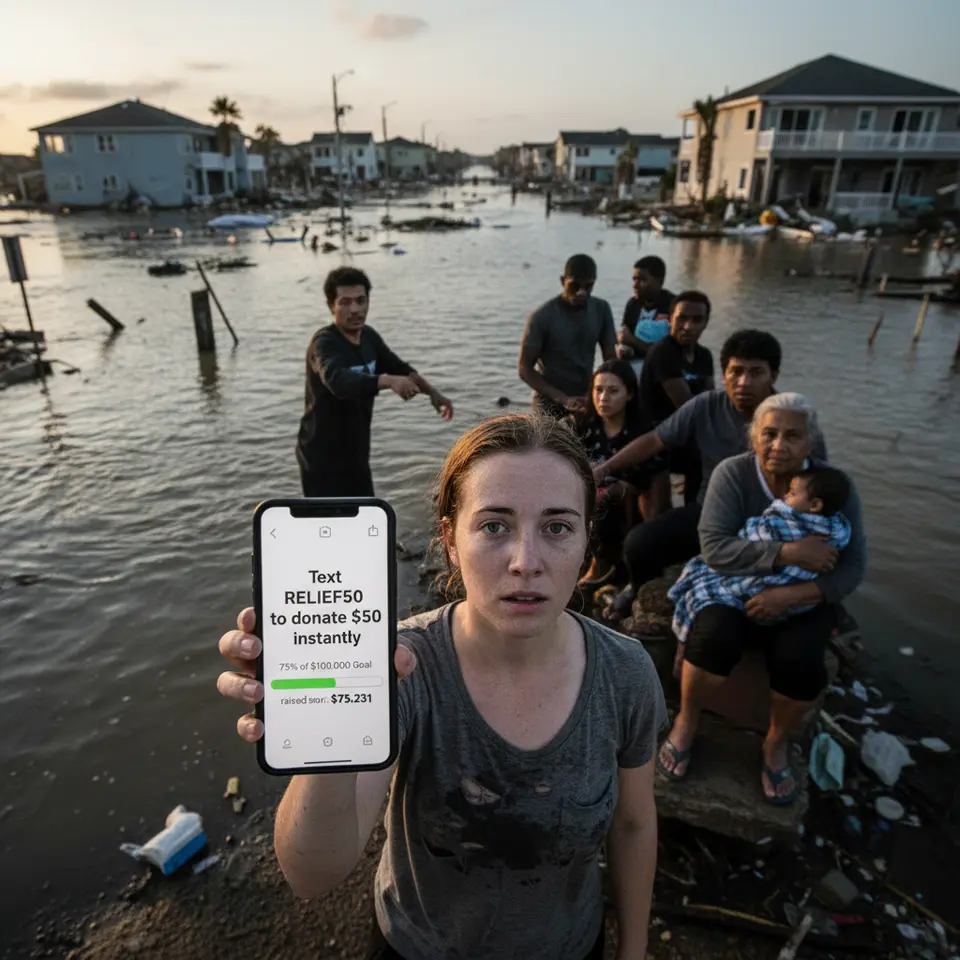
Emergency situations demand rapid fundraising solutions, and SMS marketing for nonprofits excels in this context. Whether responding to natural disasters, medical crises, or urgent community needs, text-based appeals can mobilize donors within hours. Begin with a compelling impact statement—describing the situation, the people affected, and the exact funding required. Then, provide simple instructions: “Text RELIEF50 to donate $50 instantly.” Integrate mobile-responsive giving pages and link directly from the SMS. High-frequency tags should be used sparingly to maintain credibility. Tracking tools can help measure donation velocity, allowing nonprofits to adapt messaging or targets in real time. In one case, a charity raised over $20,000 in under 24 hours by leveraging a concise SMS campaign during severe flooding.
Recurring Giving Programs
Building a reliable revenue stream is essential for sustainable operations. SMS marketing for nonprofits can effectively promote recurring giving programs by highlighting ongoing impact. Craft messages that emphasize how a small monthly gift adds up over time—“Your $15/month feeds a child for a week.” Use simple keywords like “MONTHLY” or “SUBSCRIBE15” to prompt enrollment in a subscription plan. Automate follow-up texts to welcome new recurring donors and share periodic progress reports. Over the course of months, regular texts reminding supporters of their commitment can nurture loyalty and reduce churn. By offering flexible giving options—monthly, quarterly, or annually—you accommodate donor preferences while securing predictable income to fund long-term projects.
Event and Volunteer Recruitment
Text messages are particularly effective for promoting events and recruiting volunteers when deadlines and attendance drive impact. For upcoming fundraisers, galas, or community service days, send timely SMS reminders highlighting date, time, location, and a direct registration link. Use personalized language: “Emily, join us this Saturday at the Community Center to pack care kits! Reply YES to RSVP.” Post-signup, follow up with confirmation messages and last-minute logistics to reduce no-shows. For volunteer drives, segment messages by volunteer interests or past involvement—outreach to environmental volunteers can detail a park cleanup, while health supporters receive blood drive notices. Combining automated confirmations, calendar invites, and reminder texts ensures smooth coordination and maximizes turnout. Additionally, including testimonials or short success stories in pre-event teasers can boost excitement and participation. Embedding mobile-friendly maps or quick survey links after the event helps gather feedback that can refine future SMS campaigns.
Frequently Asked Questions
1. What is SMS marketing for nonprofits?
SMS marketing for nonprofits uses text messages to communicate with donors, volunteers, and supporters for fundraising, event reminders, updates, and engagement.
2. Why is SMS effective for nonprofit fundraising?
SMS delivers over 95% open rates, ensuring urgent appeals and messages reach donors instantly, boosting conversions and engagement.
3. Do nonprofits need permission before sending SMS messages?
Yes. Donors must opt in to receive texts. This ensures compliance with regulations like TCPA and GDPR.
4. How often should nonprofits send SMS messages?
1–4 messages per month is ideal to avoid overwhelming subscribers while maintaining engagement.
5. What types of SMS campaigns work best for nonprofits?
Donation appeals, event reminders, volunteer coordination, updates, emergency alerts, and thank-you messages.
6. Can SMS help with donor retention?
Yes. Personalized texts, updates, and gratitude messages strengthen relationships and keep donors engaged long-term.
7. Is SMS marketing affordable for small nonprofits?
Absolutely. SMS is cost-effective, scalable, and typically cheaper than direct mail or ads.
8. Can SMS integrate with CRM or donor management tools?
Yes. Most nonprofit SMS platforms integrate with CRM systems, helping track donor history and segment audiences.
9. How can nonprofits personalize SMS messages?
Use donor names, past donations, interests, location, and relevant campaign details to increase relevance and impact.
10. How do nonprofits measure SMS campaign success?
Track metrics like delivery rate, open rate, click-through rate, response rate, and donations generated.
Conclusion
SMS marketing for nonprofits has emerged as a vital channel for reaching supporters quickly and effectively in today’s digital landscape. With open rates exceeding 95% and strong response metrics, text messaging offers a direct line to donors, volunteers, and event participants. By establishing clear objectives, securing informed consent, and designing personalized, concise messages, organizations can drive immediate action while maintaining trust and compliance.
Nonprofits that embrace SMS marketing alongside email and social media will create integrated campaigns that resonate with diverse audiences. Tracking key metrics such as delivery rates, click-throughs, and conversions allows for continuous optimization and demonstrable ROI. As long as teams adhere to best practices around frequency, timing, and opt-out procedures, SMS remains a powerful, cost-effective tool for cultivating lasting relationships and sustainable giving. Begin planning your first SMS campaign now and transform mobile engagement into measurable outcomes that support your mission.