Did you know that 85% of consumers prefer receiving text messages over a phone call or email? Text messages have an almost perfect open rate of 98%, making SMS marketing one of the most effective channels available to businesses today. With this kind of engagement, it’s clear why so many companies are turning to text messages to connect with their customers.
However, the direct and personal nature of SMS means there’s a fine line between welcome communication and unwelcome intrusion. A poorly executed text message campaign can do more harm than good, leading to annoyed customers and high opt-out rates. To succeed, you need a strategy that respects your audience’s time and trust.
This guide will walk you through the essential SMS marketing best practices that every business should follow. From securing consent and crafting the perfect message to timing your sends and measuring success, you’ll learn how to build an SMS strategy that drives results and strengthens customer relationships. By the end of this post, you’ll have a clear roadmap for creating effective SMS campaigns that your customers will actually want to receive.
Building a Strong Foundation for SMS Marketing

Before you send your first text, it’s crucial to set up your program for success. This involves understanding the rules, building your contact list the right way, and establishing clear expectations with your audience.
Get Explicit Consent (Opt-in)
This is the golden rule of SMS marketing. You absolutely must get permission from people before you start sending them marketing texts. Not only is it a legal requirement in many countries, but it’s also fundamental to building trust. Unsolicited texts feel invasive and can quickly damage your brand’s reputation. For methods to collect and manage mobile contacts effectively, see get mobile numbers for SMS marketing.
There are several ways to collect opt-ins:
- Keyword to a Short Code: Ask customers to text a specific keyword (e.g., “JOIN”) to a 5 or 6-digit short code. This is a common and effective method.
- Online Forms: Include a checkbox on your website’s checkout page, signup forms, or pop-ups. Make sure the box is not pre-checked, as consent must be an active choice.
- In-Store Signups: Use QR codes or ask customers at the point of sale if they’d like to receive text updates.
When asking for permission, be transparent. Clearly state what kind of messages they will receive (e.g., promotions, new product alerts) and how often you plan to send them.
Make Opting Out Easy
Just as important as getting an opt-in is providing a clear way to opt out. Every marketing message you send must include simple instructions on how to unsubscribe. Standard practice is to include “Reply STOP to unsubscribe” or a similar phrase. This is another legal requirement and a basic courtesy. Making the opt-out process difficult will only frustrate customers and lead to complaints.
Craft a Welcoming First Message
Once someone opts in, send them an immediate confirmation message. This welcome text serves a few purposes:
- It confirms their subscription was successful.
- It reminds them who you are and why they are receiving the message.
- It sets expectations about message frequency.
- It provides opt-out instructions right away.
An effective welcome message might look like this:
“Welcome to [Your Brand]’s VIP list! Get ready for exclusive deals & new drops (2-4 msgs/month). Txt HELP for help, STOP to end. Msg&Data rates may apply.”
This initial interaction sets a professional and respectful tone for your entire SMS relationship, similar to how corporate event marketing guides advise starting client relationships on the right foot.
This initial interaction sets a professional and respectful tone for your entire SMS relationship.
Crafting Compelling SMS Campaigns
With the foundational elements in place, it’s time to focus on the content of your messages. Given the 160-character limit of a standard SMS, every word counts. For insights into personalizing messages effectively, check SMS marketing personalization strategies.
Keep Your Message Clear and Concise
People scan text messages quickly. Your core message should be immediately understandable. Avoid jargon, long sentences, and unnecessary fluff. Get straight to the point and clearly state the value for the reader.
Think about the most important piece of information you want to convey. Is it a discount code? A new product announcement? A limited-time offer? Lead with that. Use clear and simple language that anyone can understand in a matter of seconds.
Create a Sense of Urgency
SMS is ideal for time-sensitive promotions. Phrases like “Today only,” “24-hour flash sale,” or “Ends at midnight” encourage immediate action. See our guide on when to send SMS marketing messages for maximum impact for optimal timing strategies.
For example:
“[Your Brand]: Flash Sale! Get 40% off all jackets for the next 3 hours only. Use code FLASH40 at checkout. Shop now: [Link]”
This creates a fear of missing out (FOMO) and drives a quick response. However, use this tactic thoughtfully. If every message is a “flash sale,” the sense of urgency will diminish.
Personalize Your Messages
Personalization goes beyond just using a customer’s first name. Leverage the data you have to send relevant and targeted messages. You can segment your audience based on:
- Past Purchase History: Send offers related to products they’ve bought before.
- Location: Alert local customers about in-store events or promotions.
- Expressed Interests: If a customer signed up to hear about a specific product category, stick to that.
A personalized message feels less like a mass broadcast and more like a helpful tip from a brand that understands its customers.
Include a Strong Call-to-Action (CTA)
Every marketing message should have a purpose. What do you want the recipient to do? Your CTA should be direct and unambiguous. Examples include:
- “Shop now”
- “Get the deal”
- “Show this text in-store”
- “Learn more”
Always pair your CTA with a link. Use a URL shortener (like Bitly) to save space and track click-through rates. Ensure the link leads to a mobile-friendly landing page for a seamless user experience.
Identify Your Brand Clearly
Remember that recipients might not have your number saved in their contacts. Start every message by identifying your brand. This simple step prevents confusion and reinforces brand recognition. Even if you think they know who you are, a quick “[Your Brand]:” at the beginning of the text is a non-negotiable best practice.
Timing and Frequency: The Art of Not Being Annoying
When and how often you send messages is just as important as what you send.
Respect Time Zones and Quiet Hours
Never send marketing texts at inappropriate times, such as late at night or very early in the morning. A text message alert is much more intrusive than an email notification. As a general rule, limit your sends to normal business hours (e.g., 9 AM to 8 PM) in the recipient’s local time zone. Most SMS marketing platforms allow you to schedule messages according to the recipient’s location, so take advantage of this feature. Sending a text at 3 AM is a guaranteed way to get an angry “STOP” reply.
Find the Right Message Frequency
There’s no single magic number for how often to send texts, but quality always beats quantity. Bombarding your subscribers with daily messages will lead to fatigue and high opt-out rates. Start with a conservative frequency, such as 2-4 messages per month, as stated in your welcome message.
Pay close attention to your engagement and unsubscribe rates. If engagement is high and opt-outs are low, you might be able to slightly increase the frequency. If you see a spike in unsubscribes after a message, you may be sending too often or providing too little value.
Be Strategic with MMS
MMS (Multimedia Messaging Service) allows you to include images, GIFs, and videos in your texts. This can make your messages more visually engaging and dynamic. Use MMS to:
- Showcase new products.
- Share an eye-catching graphic for a sale.
- Send a fun, animated GIF to grab attention.
However, MMS messages cost more to send and can use up a recipient’s data. Use them strategically for campaigns where a visual element will significantly boost impact, rather than for every single message.
Measuring and Optimizing for Success
To ensure your SMS marketing efforts are paying off, you need to track your performance and continuously optimize your strategy.
Monitor Key Performance Indicators (KPIs)
Keep a close eye on these metrics:
- Delivery Rate: The percentage of messages that were successfully delivered. A low rate could indicate issues with your contact list.
- Open Rate: While difficult to track precisely for SMS, click-through rate often serves as a proxy.
- Click-Through Rate (CTR): The percentage of recipients who clicked the link in your message. This is a key indicator of engagement.
- Conversion Rate: The percentage of recipients who completed the desired action (e.g., made a purchase). This measures the ROI of your campaign.
- Unsubscribe Rate: The percentage of users who opted out after receiving a message. A high rate is a red flag that your content or frequency is off.
Analyzing these KPIs will help you understand what’s working and what isn’t, allowing you to make data-driven decisions to improve your campaigns.
Integrating SMS Marketing with Omnichannel Strategies
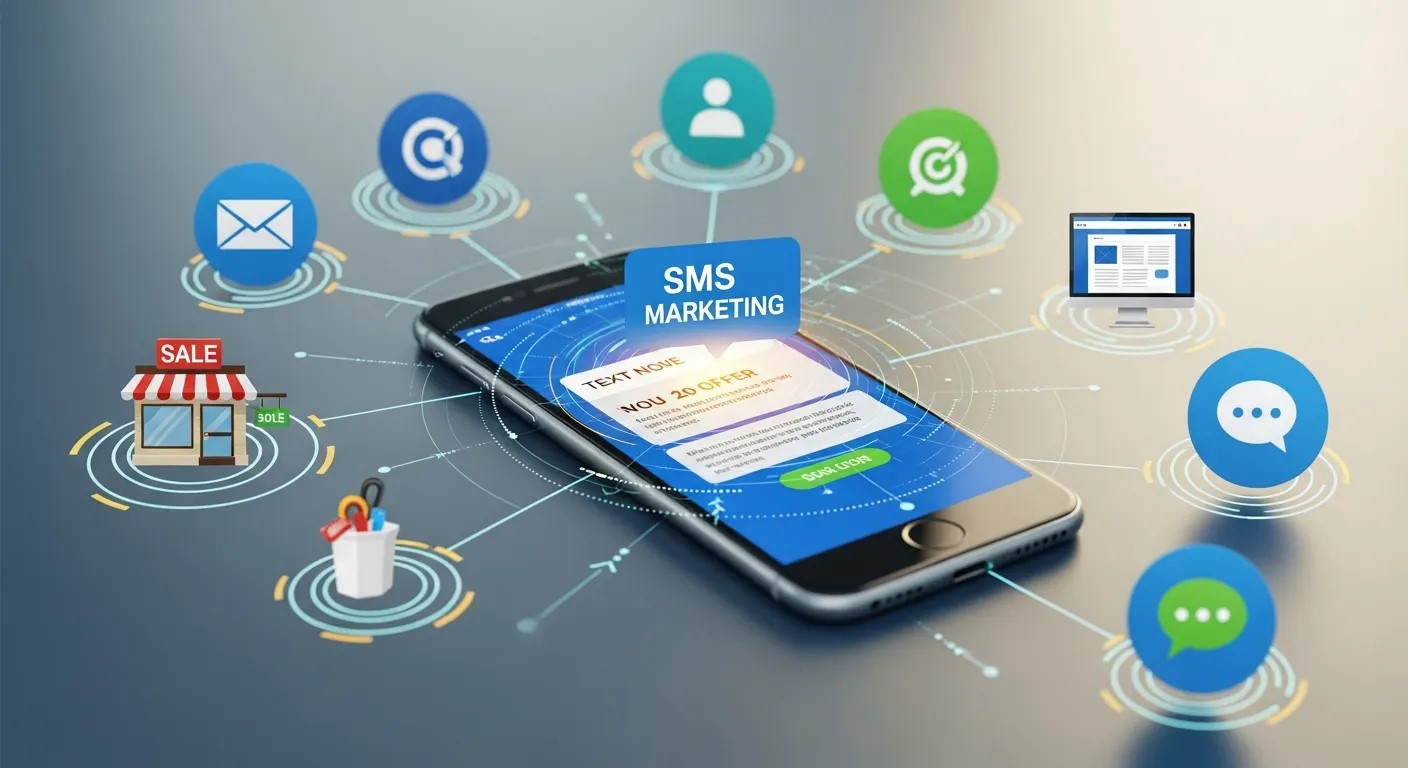
SMS marketing is at its most powerful when integrated into a broader omnichannel marketing strategy. While a single text can drive immediate engagement, combining SMS with email, social media, push notifications, and even direct mail amplifies its impact. For example, a text message alerting a subscriber about a limited-time promotion can be reinforced by an email containing a visual catalog or a retargeting ad on social media.
This integration allows brands to meet customers where they are, creating a seamless and consistent journey across multiple touchpoints. It also provides richer insights into customer behavior. By analyzing how SMS recipients interact with other channels, marketers can refine segmentation and messaging, making each campaign increasingly relevant and effective.
Leveraging Personalization Beyond First Names
Modern consumers expect brands to understand their preferences and behavior. SMS marketing offers unique opportunities for hyper-personalization that go beyond simply addressing the recipient by name. By leveraging purchase history, browsing patterns, and engagement data, you can deliver messages that feel thoughtful and highly relevant.
For instance, a customer who frequently purchases eco-friendly products could receive a text announcing a new sustainable product line, while a high-value shopper might get an exclusive early access offer. Dynamic content insertion allows marketers to tailor links, promotions, and even imagery to the individual recipient, increasing engagement and conversion rates.
Combining SMS with email, social media, push notifications, and direct mail amplifies your campaigns. A single SMS can drive immediate action, while email or retargeting ads reinforce the message. Read what is email and SMS marketing: Your complete guide for a full breakdown of integration strategies.
Timing and Behavioral Triggers for Maximum Impact
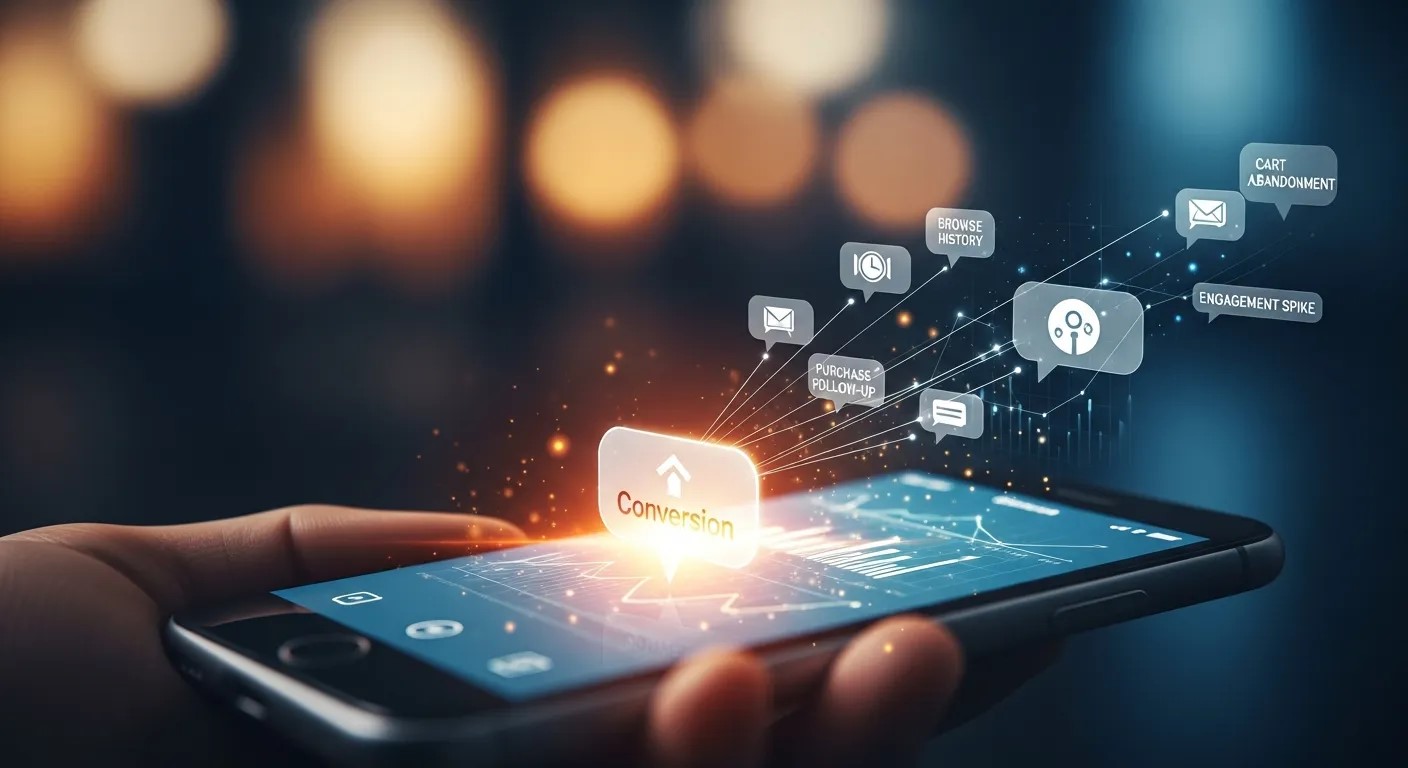
SMS marketing thrives on immediacy. Unlike email, which might be checked hours or days later, text messages are usually read within minutes. This makes timing and behavioral triggers critical for driving action.
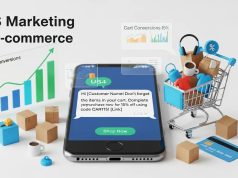
Behavioral triggers are automated messages sent based on specific customer actions. Examples include sending a discount after an abandoned cart, notifying a subscriber when a desired product is back in stock, or congratulating a customer on a recent purchase with a complementary offer. Combining these triggers with time-sensitive messaging increases the likelihood of conversion and strengthens the perception that your brand is responsive and attentive.
Elevate Your Marketing Strategy
SMS marketing is a powerful tool for building direct, personal connections with your customers. By prioritizing consent, delivering real value, and respecting your audience’s time, you can create a program that not only drives sales but also fosters long-term loyalty.
The best practices outlined here provide a solid framework for success. Start by building a clean, permission-based contact list. Craft clear, concise, and valuable messages that encourage action. Be mindful of your timing and frequency to avoid fatigue. And finally, track your results to continuously refine and improve your approach. When done right, SMS marketing can become one of the most valuable channels in your marketing arsenal.
Enhancing Customer Loyalty with SMS Marketing
SMS marketing isn’t just for driving immediate sales it’s also a powerful tool for building long-term customer loyalty. By sending personalized updates, exclusive offers, and helpful reminders, brands can stay top-of-mind with their audience. Loyal customers are more likely to make repeat purchases, refer friends, and engage with your brand across multiple channels. When integrated into a broader marketing strategy, SMS marketing helps nurture lasting relationships while maintaining a personal and direct connection that email or social media alone often cannot achieve.
Common Mistakes to Avoid in SMS Marketing
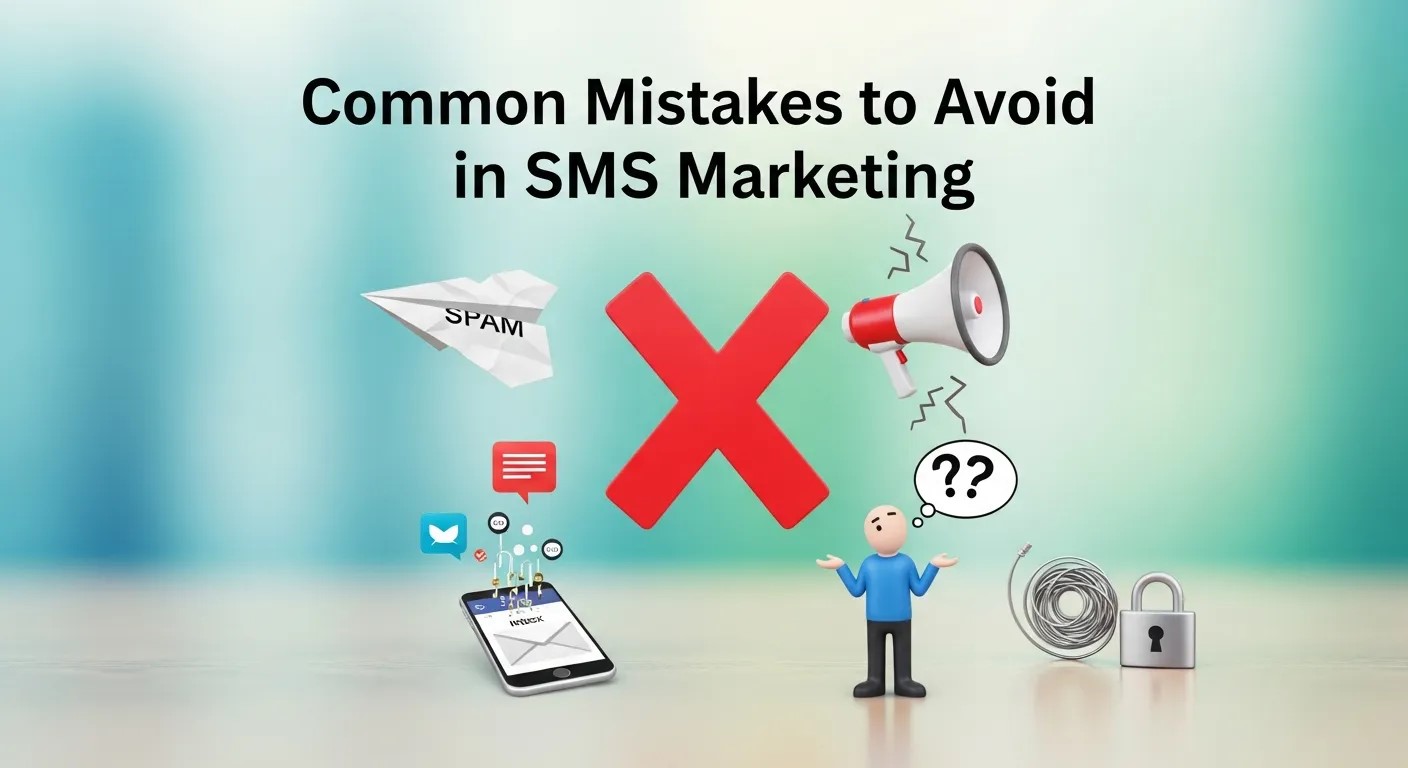
While SMS marketing is highly effective, missteps can reduce its impact and frustrate subscribers. Common mistakes include sending messages too frequently, ignoring opt-in consent, using generic or unclear copy, and neglecting timing considerations. Overloading customers with irrelevant or poorly timed texts can lead to high opt-out rates and damage brand trust. To succeed, focus on sending personalized, valuable messages, respect quiet hours, and monitor engagement metrics. Avoiding these pitfalls ensures your SMS marketing campaigns remain effective, professional, and well-received by your audience.
Conclusion
SMS marketing is a highly effective tool for driving engagement, boosting sales, and building lasting customer relationships. By following best practices securing consent, crafting clear and personalized messages, respecting timing, and monitoring performance businesses can create campaigns that deliver real results. Beyond immediate conversions, SMS marketing helps brands foster loyalty, enhance the customer experience, and strengthen their overall marketing strategy. When executed thoughtfully, it transforms a simple text message into a powerful channel for growth and long-term success.
Frequently Asked Questions (FAQ)
Is SMS marketing suitable for small businesses?
Absolutely. Even small businesses can achieve high engagement rates with SMS due to its direct, personal nature. With low-cost platforms and precise targeting, SMS allows small businesses to compete with larger brands by reaching warm leads who have already expressed interest.
How can I ensure my SMS messages don’t feel spammy?
The key is relevance and consent. Only send messages to opted-in subscribers, provide clear opt-out options, respect quiet hours, and ensure every message offers real value, whether through promotions, updates, or personalized recommendations.
What is the best time to send SMS messages?
Optimal timing varies by audience, but as a general rule, send messages during business hours (9 AM to 8 PM) in the recipient’s local time zone. Leveraging behavioral data can further refine timing for maximum engagement.
Can SMS marketing be automated?
Yes. Automated workflows can trigger messages based on behavior, such as abandoned carts, new sign-ups, or past purchases. Advanced AI tools can even predict when to send messages and which offers are most likely to drive conversions.
How do I measure the success of an SMS campaign?
Track KPIs such as delivery rate, click-through rate, conversion rate, and unsubscribe rate. Using unique tracking links or promo codes can directly tie revenue to specific campaigns, allowing for precise ROI calculations.
Can SMS marketing improve customer retention?
Yes. Beyond driving immediate sales, SMS can strengthen loyalty by delivering personalized offers, updates, and timely reminders. Engaged subscribers are more likely to return and make repeat purchases, increasing lifetime customer value.