
SMS marketing works best when you offer clear value, promote it across trusted channels, and stay transparent—building a high-quality subscriber list that drives real engagement and results.
Text messages have a 98% open rate—a stat that makes every marketer’s heart skip a beat. But here’s the catch: getting people to actually subscribe to your SMS marketing campaigns isn’t always straightforward. Unlike email, where people freely share their addresses, phone numbers feel more personal and valuable.
The good news? There are proven ways to build a thriving SMS subscriber list without being pushy or intrusive. This guide will walk you through 10 effective strategies to promote your SMS marketing campaigns, grow your subscriber base, and create meaningful connections with your audience through text messaging.
Whether you’re just starting with SMS marketing or looking to expand your existing list, these tactics will help you build a valuable channel that drives real business results.
Why SMS Marketing Promotion Matters
Before diving into specific strategies, let’s understand why promoting SMS marketing deserves your attention. Text messages cut through the digital noise in ways other channels simply can’t match.
Consider these compelling statistics: the average person checks their phone 96 times per day, and 90% of text messages are read within three minutes of delivery. Compare that to email marketing, where average open rates hover around 21%, and you’ll see why businesses are shifting resources toward SMS campaigns.
SMS marketing also delivers impressive ROI. For every dollar spent on text message marketing, businesses see an average return of $36. This makes it one of the most cost-effective marketing channels available today.

Offer Exclusive Incentives for Sign-ups
The fastest way to grow your SMS subscriber list is by offering something valuable in exchange for phone numbers. People need a compelling reason to share their personal contact information, and exclusive incentives do exactly that.
Consider offering welcome discounts, early access to sales, or special promotions available only to SMS subscribers. For example, a clothing retailer might offer “Text JOIN to 12345 for 20% off your first order.” This creates immediate value while setting expectations for future messages.
Make your incentives specific and time-sensitive. Instead of a generic “Sign up for deals,” try “Get 15% off today only—text SAVE to 54321.” The urgency encourages immediate action, while the specific discount amount feels more valuable than vague promises.
Remember to deliver on your promises quickly. Send the promised discount code or exclusive content immediately after someone subscribes. This builds trust and demonstrates the value of staying subscribed to your SMS marketing campaigns.
For more strategies on motivating subscribers, you can explore our guide on SMS marketing best practices for your business.
Leverage Social Media Platforms
Your existing social media followers are prime candidates for SMS marketing subscribers. They already engage with your brand, making them more likely to welcome text messages from you.
Create compelling social media posts that highlight the benefits of joining your SMS list. Share screenshots of exclusive deals sent to subscribers, or post testimonials from customers who love receiving your text updates. Visual proof of value works better than generic calls-to-action.
Use platform-specific features to your advantage. Instagram Stories allow you to create interactive polls asking followers if they’d like SMS updates about flash sales. LinkedIn posts can target business audiences with professional SMS marketing content like industry insights or networking event notifications.
Cross-promote consistently but avoid overwhelming your audience. A good rule of thumb is to promote your SMS marketing once per week on each platform, varying the messaging and format to keep it fresh.

Integrate with Email Marketing
Your email subscribers already trust your brand with their contact information. This makes them excellent candidates for SMS marketing promotion.
Add SMS opt-in options to your email signatures, newsletter footers, and welcome email sequences. When someone signs up for your email list, include a checkbox asking if they’d also like text updates. Make it optional to avoid seeming pushy.
Create dedicated email campaigns specifically promoting your SMS marketing benefits. Send a monthly “SMS-only deals” email showcasing exclusive offers that text subscribers received. This demonstrates value and creates FOMO (fear of missing out) for email-only subscribers.
Use email segmentation to target your most engaged subscribers first. These loyal customers are more likely to opt into SMS marketing and become your best text message advocates.
Optimize Your Website for SMS Sign-ups
Your website offers multiple opportunities to promote SMS marketing without disrupting the user experience. Strategic placement and compelling copy make all the difference.
Add SMS opt-in forms to high-traffic pages like your homepage, blog, and checkout process. Exit-intent popups work particularly well for SMS sign-ups because they offer last-minute value before visitors leave.
Create dedicated landing pages for SMS marketing promotion. These pages should clearly explain the benefits, show examples of messages subscribers receive, and address common concerns about privacy and message frequency.
Use embedded keywords throughout your website copy. When describing your SMS marketing benefits, naturally incorporate phrases like “text alerts,” “mobile updates,” and “SMS notifications” to improve search visibility.
Strategically place opt-in forms on your homepage, blog, and checkout pages. Exit-intent popups work well for capturing last-minute subscriptions.
Creating dedicated landing pages that explain benefits, show examples of messages, and address privacy concerns will improve conversion. For more details, see our SMS marketing promotion strategies post.

Implement In-Store Promotion Tactics
Physical locations provide unique opportunities to promote SMS marketing face-to-face. Personal interactions often convert better than digital campaigns.
Train your staff to mention SMS marketing benefits during checkout or customer service interactions. A simple “Would you like to receive text alerts about our sales?” can be surprisingly effective when asked by a friendly employee.
Display SMS marketing promotions prominently throughout your store. Use table tents, window clings, and checkout counter displays to advertise your text message benefits. Make sure the opt-in process is simple—ideally just texting a keyword to a short code.
Host in-store events that require SMS sign-ups for participation. Contests, exclusive shopping hours, and product launches create natural opportunities to collect phone numbers while providing immediate value.
Use Content Marketing
Educational content builds trust and positions your brand as helpful rather than purely promotional. This approach works particularly well for SMS marketing promotion.
Create blog posts about topics your audience cares about, then offer SMS updates with related tips or resources. A fitness brand might write about workout nutrition, then invite readers to text for weekly meal planning tips.
Develop downloadable resources like guides, checklists, or templates. Gate these behind SMS opt-ins instead of email addresses. Since phone numbers feel more valuable, people expect higher-quality content in return.
Host webinars or virtual events that require SMS registration. This creates a legitimate reason to collect phone numbers while delivering genuine value to your audience.
Partner with Complementary Businesses
Strategic partnerships can significantly expand your SMS marketing reach by tapping into new audiences that already trust your partners.
Identify businesses that serve similar customers but aren’t direct competitors. A wedding photographer might partner with wedding venues, florists, and caterers to cross-promote SMS marketing lists.
Create joint campaigns that benefit both businesses. Offer exclusive deals that require customers to join both SMS lists, or host collaborative events promoted through text messages.
Establish clear guidelines about message frequency and content to maintain trust with shared audiences. Partners should complement rather than compete with your SMS marketing efforts.
Create joint campaigns that benefit both businesses. Offer exclusive deals that require customers to join both SMS lists, or host collaborative events promoted through text messages. Establish clear guidelines about message frequency and content to maintain trust with shared audiences. Partners should complement rather than compete with your SMS marketing efforts. This approach is similar to how brands implement co-branding strategies to expand visibility.
Leverage Customer Service Interactions
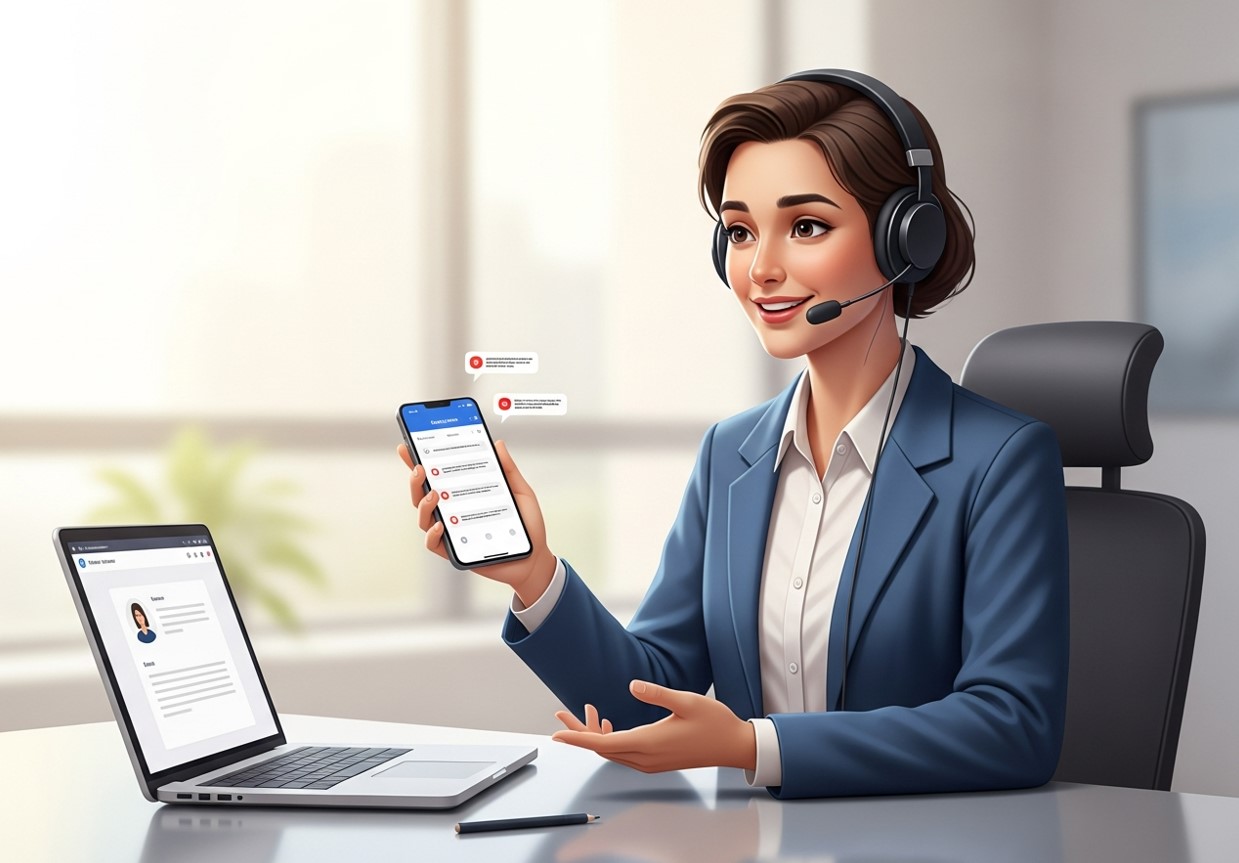
Customer service touchpoints provide natural opportunities to promote SMS marketing without seeming pushy or sales-focused.
When customers contact support about order status, shipping updates, or product questions, offer SMS notifications as a solution. This positions text messages as helpful rather than promotional.
Include SMS marketing options in your customer service follow-up processes. After resolving an issue, ask customers if they’d like text updates about similar topics or solutions.
Train customer service representatives to identify appropriate moments for SMS promotion. Someone asking about sale dates would be a perfect candidate for marketing text alerts.
Measure and Optimize Your Efforts
Successful SMS marketing promotion requires ongoing measurement and optimization. Track which strategies generate the highest-quality subscribers and focus your efforts accordingly.
Monitor key metrics like opt-in rates, subscriber growth, engagement rates, and conversion rates from different promotion channels. This data reveals which tactics work best for your specific audience.
A/B test your promotional messages, incentives, and sign-up processes. Small changes in wording or offers can significantly impact subscription rates.
Survey new subscribers about how they discovered your SMS marketing program. This feedback helps you allocate resources to the most effective promotion strategies.
Build Trust by Being Transparent About SMS Usage
One of the biggest barriers to SMS subscription is fear—fear of spam, excessive messages, or misuse of personal data. Addressing these concerns upfront can dramatically improve your opt-in rates. Transparency reassures potential subscribers that you respect their time, privacy, and boundaries.
Clearly communicate what subscribers can expect before they sign up. Let them know how often you’ll send messages, what type of content they’ll receive, and how easy it is to opt out. When users understand that they won’t be bombarded with daily promotions or have their data sold, they feel more comfortable sharing their phone numbers.
This transparency should be visible everywhere you promote SMS marketing, including your website forms, social posts, and in-store signage. Simple language such as “2–4 texts per month” or “No spam, unsubscribe anytime” goes a long way in lowering resistance. Brands that set honest expectations tend to retain subscribers longer and experience fewer opt-outs.
Transparency is key to reducing opt-out rates. Communicate expected message frequency, content types, and provide easy opt-out instructions. Simple statements like “2–4 texts per month, no spam” build confidence and encourage long-term engagement.
For compliance-related guidance, refer to our SMS marketing laws guide.
Use Behavioral Triggers to Promote SMS Sign-Ups
Timing plays a critical role in SMS marketing promotion. Instead of asking everyone to subscribe at random moments, you can increase conversions by promoting SMS opt-ins when users show clear intent or interest.
For example, if a website visitor spends several minutes browsing your pricing page or returns multiple times to the same product, that behavior signals high intent. Offering SMS alerts for price drops, restocks, or limited-time deals at that moment feels helpful rather than intrusive.
Similarly, abandoned cart situations create a natural opportunity to promote SMS updates. A message such as “Want a text reminder if this item goes on sale?” aligns perfectly with user intent. By tying SMS sign-ups to real customer behavior, you position text messaging as a solution rather than a marketing tactic.
Align SMS Promotion with Customer Journey Stages
SMS marketing works best when it supports the customer journey rather than interrupting it. Different stages require different messaging approaches, and aligning your SMS promotion accordingly improves both sign-up and engagement rates.
New visitors are often best introduced to SMS through educational or value-based messaging, such as helpful tips or exclusive content. Returning visitors may respond better to promotions, loyalty perks, or early access to sales. Existing customers are ideal candidates for transactional updates, VIP offers, and reorder reminders.
When your SMS promotion matches where the customer is in their journey, it feels relevant and personalized. This alignment strengthens trust and increases the likelihood that subscribers will stay engaged long term.
Reinforce SMS Value Through Real-Time Use Cases
Many people underestimate SMS marketing because they haven’t experienced its real-world value. Showing how SMS works in action can significantly improve opt-in rates.
Highlight practical scenarios where text messaging is genuinely useful. This could include real-time delivery updates, appointment reminders, flash sale alerts, or back-in-stock notifications. When users see how SMS solves real problems or saves time, the perceived value increases instantly.
Sharing examples within your content, landing pages, or email campaigns helps potential subscribers visualize the benefit. The goal is to shift SMS from being seen as “just another promotion channel” to a reliable and convenient communication tool.
Strengthen Brand Consistency Across SMS Touchpoints
Consistency builds confidence. When your SMS promotion aligns visually and tonally with your brand, it reinforces credibility and professionalism.
Ensure that the language used in SMS promotions matches your brand voice—whether that’s friendly, authoritative, or conversational. Visual elements such as colors, logos, and design style should also remain consistent across your website, social media, and offline promotions.
This consistency reassures users that your SMS program is legitimate and thoughtfully managed. Brands that maintain a cohesive identity across all channels typically see higher opt-in trust and lower unsubscribe rates.
Building Long-term SMS Marketing Success
Promoting SMS marketing effectively requires a strategic approach that prioritizes value over volume. Focus on attracting subscribers who genuinely want to hear from you rather than chasing vanity metrics.
Start with one or two promotion strategies that align with your current marketing efforts. Master these approaches before expanding to additional tactics. Quality execution of a few strategies beats mediocre implementation of many.
Remember that SMS marketing promotion is an ongoing process, not a one-time campaign. Consistently implement these strategies while monitoring results and adjusting based on what works best for your audience.
The businesses that succeed with SMS marketing are those that view it as a relationship-building tool rather than just another sales channel. Focus on providing value, respecting subscriber preferences, and maintaining trust—your SMS marketing success will follow naturally.
Frequently Asked Questions (FAQ)
Is SMS marketing still effective in 2025?
Yes, SMS marketing remains one of the most effective digital channels due to its high open rates, immediacy, and direct access to customers. As long as businesses follow permission-based practices and deliver value, SMS continues to outperform many traditional channels.
How often should I send SMS marketing messages?
Message frequency depends on your audience and content type, but most brands see the best results with two to six messages per month. Sending too many messages increases opt-outs, while sending too few may reduce engagement.
What kind of content works best for SMS marketing?
Time-sensitive content performs exceptionally well in SMS marketing. This includes flash sales, limited-time offers, appointment reminders, shipping updates, and exclusive alerts. Educational tips and loyalty rewards also help maintain engagement.
How do I stay compliant with SMS marketing regulations?
Compliance requires explicit opt-in consent, clear disclosure of message frequency, and easy opt-out options. Always follow regional regulations such as TCPA or GDPR and work with reputable SMS platforms that support compliance.
Can small businesses benefit from SMS marketing?
Absolutely. SMS marketing is especially powerful for small businesses because it allows direct communication without large advertising budgets. Local promotions, appointment reminders, and loyalty rewards are particularly effective for smaller brands.