SMS marketing often gets overlooked in favor of flashier digital channels, but the numbers tell a different story. With open rates consistently hitting 98% and response rates that dwarf email campaigns, text message marketing has quietly become one of the most effective tools in a marketer’s arsenal.
The question isn’t whether SMS marketing works—it’s whether you’re missing out on one of the highest-converting channels available. This comprehensive guide examines the real effectiveness of SMS marketing, backed by data and practical insights that will help you determine if text messaging belongs in your marketing strategy.
We’ll explore response rates, conversion statistics, cost-effectiveness, and real-world applications across different industries. By the end, you’ll have a clear understanding of SMS marketing’s potential and how it compares to other marketing channels.
SMS Marketing Performance: The Numbers Don’t Lie

Open Rates That Email Can’t Match
SMS marketing boasts an impressive 98% open rate, according to industry research. Compare this to email marketing’s average open rate of 21.33%, and the difference becomes stark. Most text messages are read within three minutes of delivery, giving businesses almost immediate access to their audience.
This high engagement stems from the personal nature of text messaging. People carry their phones everywhere and treat SMS as a direct, urgent communication channel. Unlike emails that pile up in crowded inboxes, text messages appear prominently on lock screens and demand attention.
Click-Through Rates and Conversions
SMS campaigns generate click-through rates averaging 36%, significantly higher than email’s 2.69% average. This dramatic difference translates into real business results. Companies using SMS marketing report conversion rates between 20% and 35%, depending on their industry and campaign strategy.
The immediacy factor plays a crucial role here. When customers receive a text about a flash sale or limited-time offer, they can act instantly. This removes friction from the customer journey and capitalizes on impulse purchasing behavior.
Response Speed Advantages
Text messages typically receive responses within 90 seconds, while emails might wait hours or days for replies. This rapid response time makes SMS particularly valuable for time-sensitive communications, customer service interactions, and urgent notifications. You can also explore how to win back customers with SMS retargeting.
Cost-Effectiveness of SMS Marketing
Low Cost Per Message
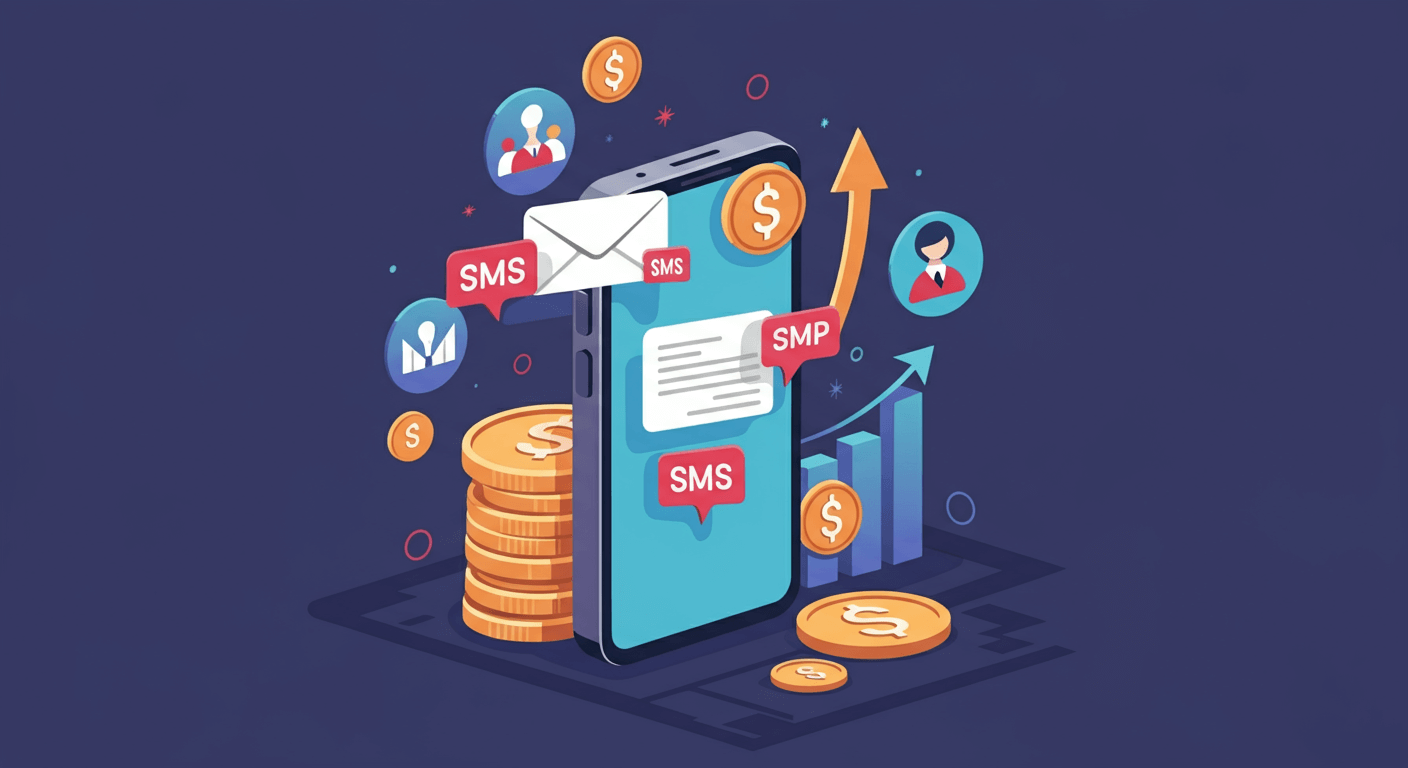
SMS marketing costs between $0.01 and $0.05 per message, making it one of the most affordable marketing channels available. Even premium SMS platforms rarely exceed $0.10 per message, delivering exceptional value when measured against response rates.
Return on Investment Analysis
The combination of low costs and high conversion rates creates impressive ROI potential. Many businesses report returns of $36 for every dollar spent on SMS marketing. This figure varies by industry, but consistently outperforms many traditional marketing channels.
Small businesses particularly benefit from SMS marketing’s cost structure. Unlike paid advertising that requires substantial budgets to see results, effective SMS campaigns can launch with minimal investment while reaching engaged audiences.
Comparison with Other Channels
Email marketing costs roughly $0.10 to $0.50 per contact monthly, while social media advertising can range from $1 to $5 per click. SMS marketing’s direct cost structure and high engagement rates often deliver better cost-per-acquisition numbers than these alternatives.
Industry Applications and Use Cases
Retail and E-commerce
Retail businesses leverage SMS for flash sales, inventory alerts, and abandoned cart recovery. Fashion retailers report particularly strong results, with SMS-driven sales accounting for 15-25% of their mobile revenue.
Product launch notifications via SMS create immediate awareness and drive traffic to online stores. Many retailers find that SMS subscribers convert at higher rates than email subscribers, especially for limited-time offers.
Restaurants and Food Service
Restaurants use SMS for order confirmations, delivery updates, and promotional offers. The immediate nature of text messaging aligns perfectly with food service timing requirements.
Loyalty programs delivered via SMS show higher participation rates than app-based alternatives. Customers appreciate receiving points updates and exclusive offers directly to their phones without downloading additional applications.
Healthcare and Appointments
Medical practices rely on SMS for appointment reminders, reducing no-show rates by up to 38%. Check our guide on how to master SMS marketing on a shoestring budget to get started.
Prescription reminders and health tips via SMS help practices maintain patient engagement between visits. This ongoing communication strengthens patient relationships and improves health outcomes.
Professional Services
Law firms, financial advisors, and consultants use SMS for appointment confirmations and urgent client communications. The professional yet immediate nature of text messaging suits these industries well.
Service completion notifications and follow-up surveys via SMS generate higher response rates than email alternatives, providing valuable feedback for business improvement.
Challenges and Limitations
Regulatory Compliance Requirements
SMS marketing faces strict regulations, including TCPA compliance in the United States and GDPR requirements in Europe. Businesses must obtain explicit consent before sending marketing messages and provide clear opt-out mechanisms. For more guidance, see marketing communication policy basics.
These compliance requirements add complexity but also build trust with customers who appreciate transparent communication practices.
Message Length Constraints
Standard SMS messages are limited to 160 characters, requiring concise, impactful messaging. While this constraint forces clarity, it can limit detailed product descriptions or complex offers.
Longer messages automatically split into multiple parts, potentially increasing costs and reducing readability. Successful SMS campaigns embrace brevity as a strength rather than fighting against it.
Customer Fatigue Risks
The personal nature of SMS that drives engagement can also create backlash if overused. Customers who feel bombarded by text messages often opt out entirely, making frequency management crucial.
Finding the right balance between staying top-of-mind and respecting customer preferences requires careful audience segmentation and timing consideration.
Best Practices for SMS Marketing Success

Timing and Frequency
Send SMS campaigns during business hours, typically between 10 AM and 8 PM. Weekend messaging can work for certain industries but requires careful consideration of your audience’s preferences.
Most successful businesses limit SMS frequency to 2-4 messages per month, reserving text messaging for truly important or valuable communications.
Personalization Strategies
Include customer names and relevant details in SMS messages to increase engagement. Personalized messages generate 26% higher open rates than generic broadcasts. Explore SMS personalization strategies to boost engagement.
Segment audiences based on purchase history, preferences, and engagement levels to deliver more targeted messaging that resonates with specific customer groups.
Clear Call-to-Actions
Every SMS should include a specific, actionable next step. Whether visiting a website, calling a number, or showing a message in-store, clarity drives results.
Keep calls-to-action simple and achievable within the immediate timeframe. Complex multi-step processes reduce conversion rates and frustrate customers.
Getting Started with SMS Marketing
Platform Selection
Choose SMS marketing platforms based on features, pricing, and integration capabilities. Popular options include Twilio, SimpleTexting, and EZ Texting, each offering different strengths for various business types.
Consider automation capabilities, analytics depth, and customer support quality when evaluating platforms. The right choice depends on your technical needs and growth plans.
Building Your Subscriber List
Grow SMS subscriber lists through website opt-ins, in-store signups, and social media promotions. Offer valuable incentives like exclusive discounts or early access to new products.
Never purchase SMS lists or add customers without explicit consent. Organic list growth creates more engaged audiences and ensures compliance with regulations.
Measuring Success
Track open rates, click-through rates, conversion rates, and unsubscribe rates to gauge campaign effectiveness. Most SMS platforms provide detailed analytics to guide optimization efforts.
Compare SMS performance against other marketing channels to understand its role in your overall strategy and allocate budget accordingly.
SMS Marketing for Event Promotion
SMS marketing is particularly effective for promoting events, whether online webinars, in-store sales, or live conferences. The immediacy of text messaging ensures that subscribers receive reminders and updates in real time, significantly boosting attendance rates.
Brands can use SMS to confirm registrations, provide event details, and send last-minute notifications about changes or exclusive offers. Combining SMS with QR codes or links to RSVP forms simplifies the registration process and provides measurable data on engagement.
Event-driven SMS campaigns work well because they leverage urgency, convenience, and personalization—elements that drive immediate action and engagement.
Combining SMS with Mobile App Marketing
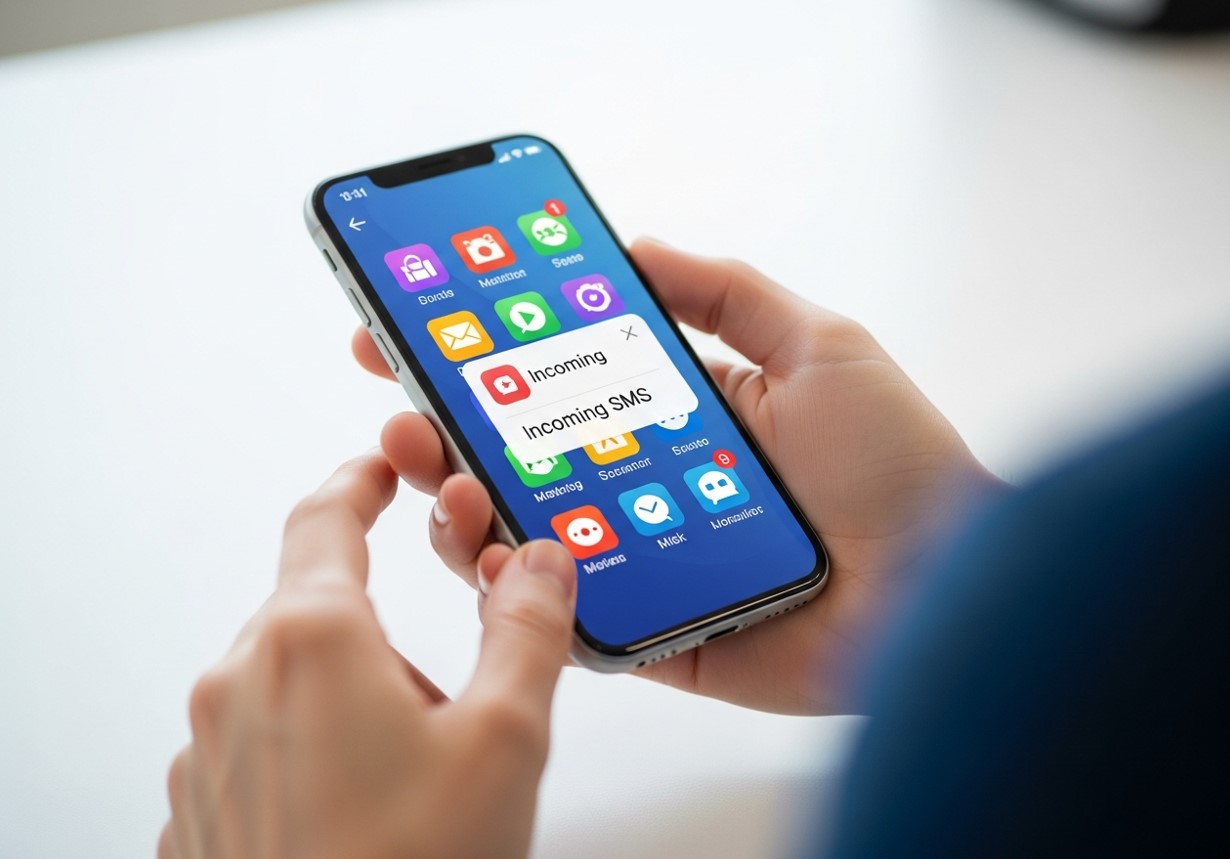
Mobile apps and SMS campaigns can complement each other to create a seamless customer experience. While apps offer rich content, loyalty tracking, and push notifications, SMS ensures messages are received even if users do not have the app open.
For instance, an e-commerce app can use push notifications for general updates, while SMS delivers time-sensitive offers, abandoned cart alerts, or order confirmations. Integrating the two channels improves reach and engagement, ensuring that your audience receives critical messages in the most effective format.
Moreover, linking SMS campaigns to app behavior data—such as recent purchases or browsing history—allows for hyper-personalized offers that increase conversion rates and customer satisfaction.
AI and Predictive Analytics in SMS Marketing
Artificial intelligence (AI) is transforming SMS marketing by enabling predictive personalization. AI can analyze customer behavior, predict purchase intent, and determine optimal sending times for each subscriber.
For example, predictive analytics can identify which customers are likely to make repeat purchases and automatically send tailored messages with personalized offers. AI also helps optimize campaign performance by analyzing historical data, segmenting audiences intelligently, and suggesting content that resonates with each segment.
Integrating AI into SMS marketing ensures that messages are not only timely but also relevant and persuasive, improving both engagement and ROI.
SMS for Customer Feedback and Market Research
SMS can also serve as an efficient channel for collecting customer feedback and conducting market research. Surveys sent via text messages enjoy higher response rates than email or online forms because of the channel’s convenience and immediacy.
Businesses can use SMS surveys to gauge customer satisfaction, product preferences, or service quality. Short, concise questions encourage participation, and responses can feed into broader CRM and analytics systems for actionable insights.
By leveraging SMS for feedback, brands gain real-time understanding of customer needs and sentiment, allowing them to refine products, services, and marketing strategies effectively.
The Future of SMS Marketing
SMS marketing continues evolving with Rich Communication Services (RCS) enabling enhanced messaging features like images, videos, and interactive buttons. While adoption remains limited, RCS represents the future direction of business text messaging.
Integration with artificial intelligence allows for more sophisticated automation and personalization, making SMS campaigns increasingly effective at scale.
Why SMS Marketing Deserves Your Attention
SMS marketing delivers exceptional results when executed properly. The combination of high open rates, strong conversion potential, and cost-effectiveness makes it valuable for businesses across industries.
Success requires understanding your audience, respecting their communication preferences, and delivering genuine value through every message. Start small, test different approaches, and scale based on results.
Consider adding SMS to your marketing mix gradually, beginning with high-value use cases like appointment reminders or exclusive offers for your most engaged customers. The data will quickly reveal whether SMS marketing can drive meaningful results for your business.
Frequently Asked Questions (FAQ)
How can small businesses maximize SMS marketing with a limited budget?
Focus on highly targeted campaigns, like appointment reminders, flash sales, or exclusive offers. SMS is cost-effective, so starting small and scaling gradually based on results is often the most efficient approach.
What industries benefit most from SMS marketing?
Retail, e-commerce, restaurants, healthcare, professional services, and event-based businesses see strong results. Any industry that values immediate communication or time-sensitive offers can leverage SMS effectively.
How do I maintain subscriber engagement without causing fatigue?
Keep frequency low (2–4 messages per month), provide clear value, and segment audiences based on preferences and behavior. Respecting timing and content relevance is crucial to avoid opt-outs.
Can SMS marketing be automated?
Yes. Automation enables appointment reminders, drip campaigns, abandoned cart alerts, and post-purchase follow-ups. Automation ensures timely delivery and allows marketers to focus on strategy and optimization.
How does SMS marketing compare to email in terms of ROI?
SMS outperforms email in open rates, click-through rates, and conversions. While email provides depth for content-rich campaigns, SMS excels at immediacy, urgency, and driving immediate actions, often delivering higher ROI per dollar spent.
What’s the future of SMS marketing?
SMS is evolving with RCS messaging, AI personalization, predictive analytics, and cross-channel integration. These technologies enable richer, interactive campaigns, more precise targeting, and higher engagement rates.
How can SMS marketing complement my existing digital channels?
SMS can reinforce email, social media, and mobile app campaigns by providing immediate, actionable communication. Integrating SMS with these channels ensures a seamless customer journey and maximizes engagement and conversions.