Understanding Why Timing Matters in SMS Marketing
SMS marketing is one of the most direct and personal communication channels available to businesses today. Unlike emails that may sit unread for hours or social media posts that depend on algorithms, text messages land directly in a customer’s pocket. That immediacy is powerful but it also makes timing critical. Sending a message at the wrong moment can feel intrusive, while sending it at the right moment can feel helpful, relevant, and perfectly timed.
The best time for SMS marketing is not just about clocks and calendars. It’s about human behavior, daily routines, attention cycles, and emotional readiness. People interact with their phones constantly, but they don’t engage with promotional messages equally throughout the day. Understanding this difference is what separates high-click campaigns from ignored ones.
When marketers focus only on crafting the message and ignore timing, they leave clicks, conversions, and trust on the table. Timing influences open rates, response rates, and even long-term brand perception. This is why learning the best time for SMS marketing is a foundational skill, not an advanced trick.
How Human Psychology Shapes SMS Engagement
Human psychology plays a massive role in determining how people respond to SMS messages. Our brains are wired to prioritize urgency, relevance, and convenience. A message received during a calm, focused moment feels different from the same message received during stress or distraction.
Morning hours often represent a planning mindset. People are checking schedules, commuting, and preparing for the day. Messages sent during this time can perform well if they align with productivity or immediate value. Midday brings decision fatigue, while evenings shift attention toward relaxation and personal time.
Understanding these psychological shifts helps identify the best time for SMS marketing across different audiences. A working professional, a student, and a stay-at-home parent may all respond differently at the same hour. This is why one-size-fits-all timing strategies rarely perform at peak efficiency.
Morning Messaging: Early Engagement Windows
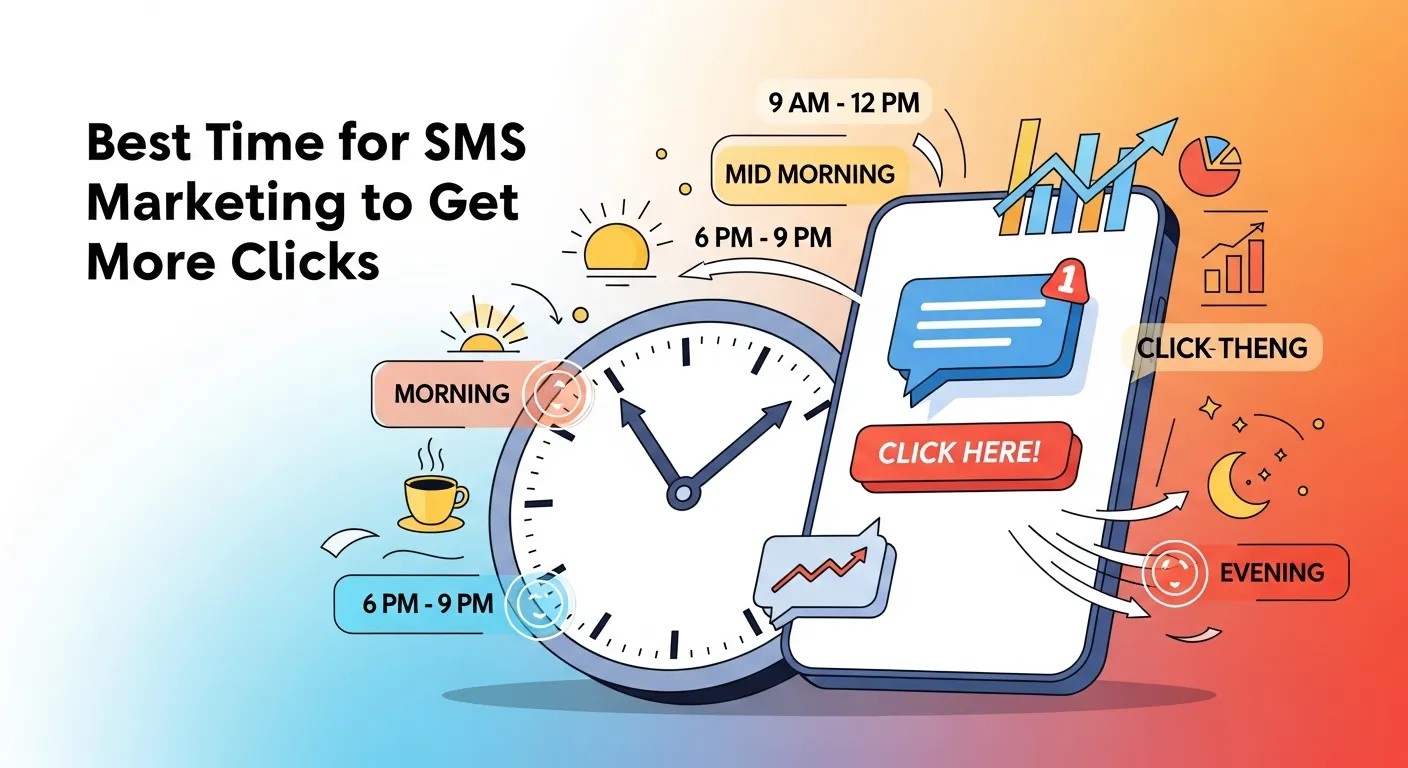
Morning SMS campaigns can be effective when used strategically. Typically, the window between 8 AM and 11 AM works well for informational or value-driven messages. At this time, users are alert, checking notifications, and planning purchases or tasks.
However, promotional overload early in the morning can backfire. Messages that feel pushy or irrelevant can create negative brand associations. The best time for SMS marketing in the morning depends on relevance. A reminder, an exclusive deal, or a time-sensitive update fits better than a generic sales pitch.
Businesses that rely on appointments, daily deals, or quick decisions often see higher click-through rates during these hours. Morning campaigns also benefit from less competition compared to later parts of the day.
Midday SMS Campaigns: Catching Attention During Breaks
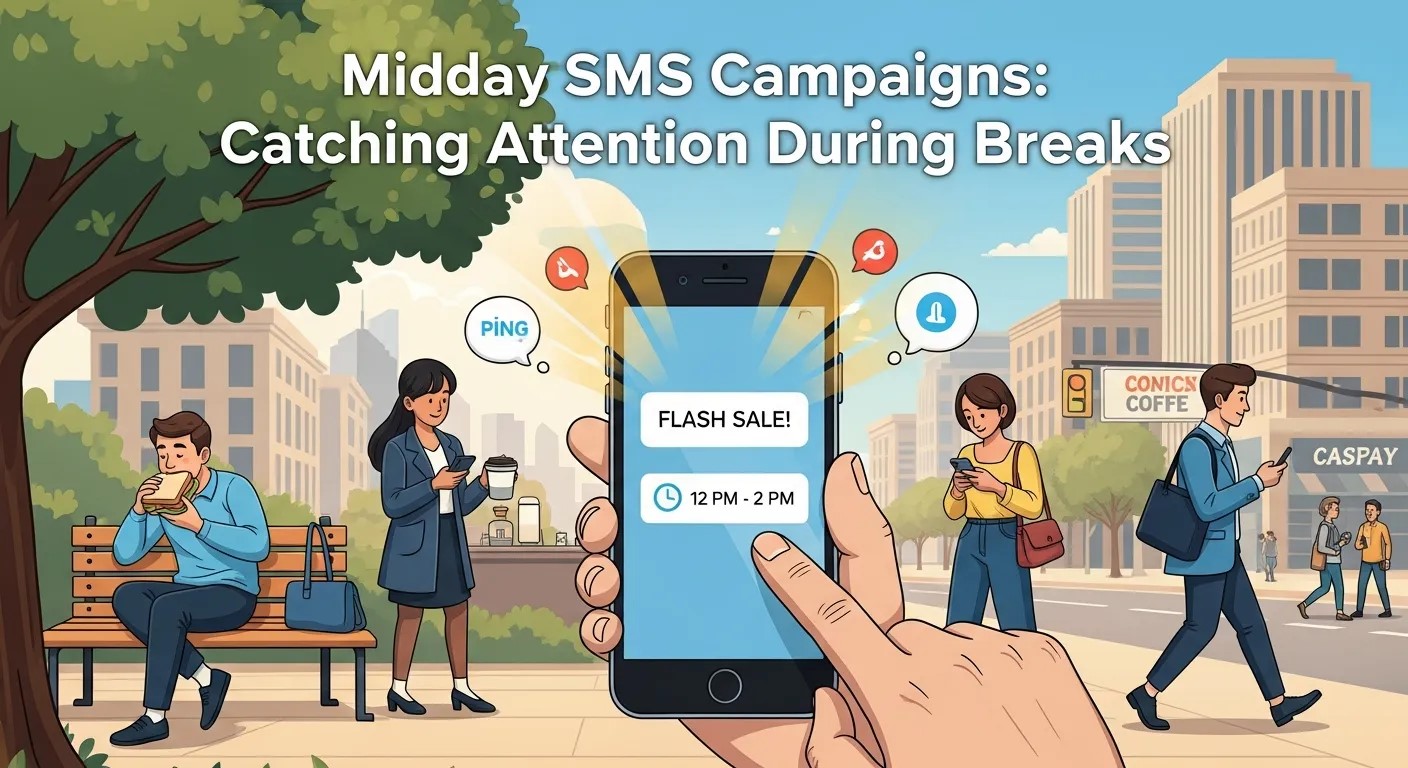
Midday hours, particularly between 12 PM and 2 PM, represent a mixed opportunity. People are often on lunch breaks, scrolling through phones casually, or looking for quick distractions. This can be an effective window if the message is concise and immediately valuable.
The best time for SMS marketing during midday usually involves short, benefit-driven messages. Long explanations or complex offers may struggle to gain attention. Clarity and speed matter most here.
However, this period also comes with risks. Many users experience message fatigue during midday due to emails, work notifications, and social media alerts. Brands that succeed during this window are those that respect attention spans and deliver instant clarity.
Afternoon Timing: Lower Engagement but High Intent
Afternoons, especially between 3 PM and 5 PM, often show lower open rates but can still produce high-intent clicks. People are finishing tasks, anticipating the end of the day, and making plans.
The best time for SMS marketing in the afternoon depends heavily on audience behavior. For B2B audiences, this period can work well for reminders or follow-ups. For B2C brands, it may be better suited for teasers rather than direct conversions.
This window is also ideal for nurturing messages rather than hard selling. When brands focus on value, education, or soft engagement, afternoon campaigns can contribute meaningfully to the overall funnel.
Evening SMS Marketing: Peak Click Potential
Evening hours are often considered prime time. Between 6 PM and 9 PM, users are more relaxed, scrolling freely, and open to exploring offers. This is one of the most commonly cited windows for the best time for SMS marketing.
During evenings, emotional engagement is higher. People respond well to storytelling, exclusive deals, and personalized recommendations. This is also where SMS Marketing Personalization becomes especially powerful, as tailored messages feel more like helpful suggestions than advertisements.
However, timing still matters within this window. Messages sent too late can feel intrusive, while those sent earlier in the evening often see stronger engagement.
Late Night Messaging: High Risk, Low Reward
Late night SMS campaigns generally carry more risk than reward. Messages sent after 9 PM may annoy users, leading to opt-outs or negative brand sentiment. Even if open rates occur, engagement quality is often low.
The best time for SMS marketing rarely includes late night hours unless the audience explicitly expects it. Night-shift workers, global audiences, or emergency notifications may be exceptions, but for most brands, restraint is the smarter strategy.
Respecting personal boundaries is a long-term trust investment. Brands that avoid late night disruptions often see better retention and loyalty.
Day-Based Timing: Weekdays vs Weekends
Timing isn’t just about hours—it’s also about days. Weekdays and weekends create different psychological contexts. On weekdays, users operate in structured routines. On weekends, attention is more fragmented but emotionally open.
The best time for SMS marketing on weekdays often aligns with productivity cycles, while weekends favor entertainment, shopping, and leisure-focused messages. Retail and e-commerce brands often see higher conversion rates on weekends, while service-based businesses perform better during weekdays.
Understanding these patterns helps marketers align messaging tone and timing with user expectations.
Industry-Specific Timing Strategies
Different industries experience different engagement peaks. A food delivery service may find success during meal times, while a fitness brand may perform better early in the morning or early evening.
This is where SMS Marketing 101 principles come into play. Foundational testing, audience segmentation, and performance tracking help identify unique timing patterns. Rather than copying generic benchmarks, smart marketers analyze their own data to determine the best time for SMS marketing within their niche.
Industry-specific timing often outperforms general recommendations, especially when combined with behavioral insights.
The Role of Automation in Timing Optimization

Manual scheduling can only go so far. Advanced brands rely on SMS Marketing Automation to optimize timing at scale. Automation tools analyze engagement data, user behavior, and historical performance to deliver messages at predicted high-response moments.
Automation also reduces human error and ensures consistency. Instead of guessing, brands can rely on data-driven triggers that adapt to individual user habits. This makes the best time for SMS marketing dynamic rather than fixed.
As automation improves, timing strategies become more personalized, leading to higher click-through rates and improved ROI.
Personalization and Timing: A Powerful Combination
Personalization goes beyond using a name. It includes sending messages when the recipient is most likely to engage. Behavioral data, past interactions, and preferences all contribute to timing decisions.
SMS Marketing Personalization paired with smart timing feels natural rather than promotional. A well-timed, relevant message can feel like a recommendation from a friend instead of a brand push.
This combination is especially effective for repeat customers, where trust already exists and timing enhances relevance.
Retargeting and Re-Engagement Timing
Timing plays a critical role in re-engagement strategies. Campaigns designed to Win Back Customers with SMS Retargeting rely heavily on sending messages at moments of renewed interest or emotional readiness.
Sending a reactivation message too soon can feel desperate, while waiting too long can reduce relevance. The best time for SMS marketing in retargeting scenarios often aligns with previous engagement patterns or lifecycle milestones.
When done correctly, retargeting messages feel timely and considerate rather than intrusive.
Testing, Data, and Continuous Optimization
No timing strategy should remain static. Consumer behavior evolves, seasons change, and routines shift. Continuous testing is essential for maintaining performance.
A/B testing different send times, analyzing click-through rates, and adjusting schedules based on results helps refine the best time for SMS marketing over time. Data-driven decisions outperform assumptions every time.
Brands that commit to ongoing optimization gain a competitive edge in crowded inboxes.
Time Zones and Global Audiences
For brands with global reach, time zones add complexity. Sending messages based on a single time zone can drastically reduce effectiveness for international audiences.
The best time for SMS marketing across regions requires localized scheduling. Automation platforms often support time-zone-based delivery, ensuring messages arrive at appropriate local times.
Respecting regional differences improves engagement and reduces unsubscribe rates.
Compliance, Trust, and Timing Ethics
Timing also intersects with compliance and ethical marketing. Regulations often restrict messaging hours, and respecting these guidelines protects both brands and consumers.
Even when regulations allow flexibility, ethical timing choices build trust. The best time for SMS marketing balances performance with respect, ensuring messages feel welcome rather than disruptive.
Trust-driven timing strategies support long-term growth rather than short-term spikes.
Aligning Timing with Customer Journey Stages
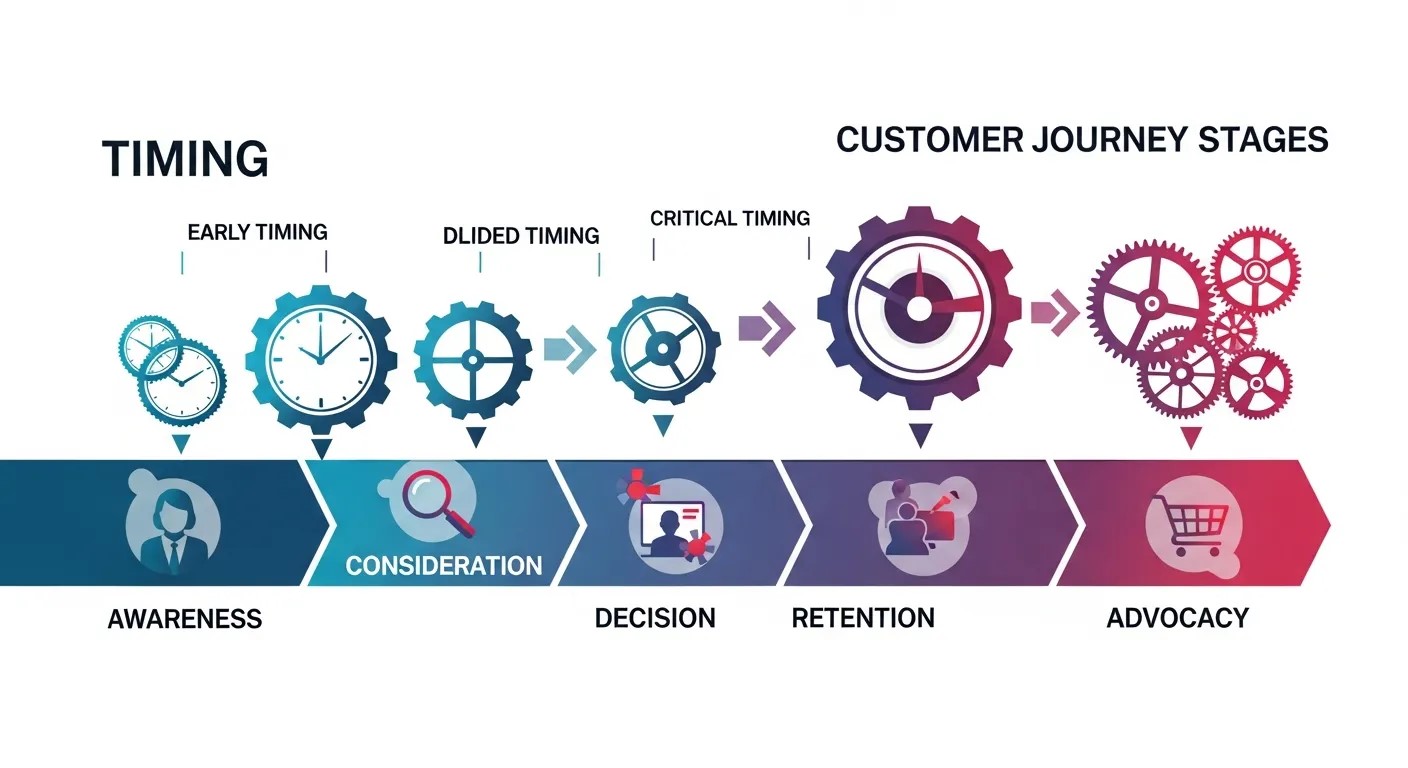
Different stages of the customer journey require different timing approaches. New subscribers may respond better to onboarding messages during calmer periods, while loyal customers may engage anytime due to established trust.
Understanding where a user sits in the journey helps determine the best time for SMS marketing for that specific interaction. Timing should evolve as relationships deepen.
This alignment improves relevance and reduces friction.
Seasonal and Event-Based Timing Opportunities
Holidays, sales events, and seasonal changes create unique timing windows. During these periods, user expectations shift, and engagement patterns change.
The best time for SMS marketing during events often differs from regular schedules. Urgency increases, attention spikes, and competition intensifies. Strategic timing during these moments can significantly boost clicks.
Planning ahead ensures brands capitalize on these high-impact opportunities.
Building a Timing Framework That Scales
Rather than relying on isolated tactics, successful brands build scalable timing frameworks. These frameworks combine audience insights, automation, personalization, and testing into a cohesive system.
The best time for SMS marketing becomes a living strategy, adapting to data and evolving behavior. This approach supports sustainable growth rather than one-off wins.
Scalable frameworks also make it easier to onboard new campaigns and audiences.
Measuring Success Beyond Clicks
Clicks matter, but they aren’t the only metric. Timing impacts conversions, lifetime value, and customer satisfaction. Evaluating timing strategies through a broader lens leads to smarter decisions.
The best time for SMS marketing should ultimately support business goals, not just surface-level metrics. Long-term engagement often matters more than short-term spikes.
Holistic measurement ensures timing strategies remain aligned with brand objectives.
Behavioral Data and the Best Time for SMS Marketing
Behavioral data is one of the strongest indicators for determining the best time for SMS marketing. Instead of relying on generic benchmarks, analyzing how users actually interact with your messages reveals precise engagement windows. Click history, response timing, and purchase behavior all contribute to identifying when users are most receptive.
For example, if data shows users frequently click links shortly after work hours, that insight directly informs the best time for SMS marketing for that specific audience. Behavioral patterns often outperform assumptions based on age or demographics alone.
Brands that continuously analyze behavioral signals gain a competitive advantage by sending messages at moments when attention and intent naturally align.
Device Usage Patterns and SMS Timing
Smartphone usage varies significantly throughout the day. People may check phones frequently, but active engagement fluctuates. Understanding device usage patterns helps refine the best time for SMS marketing beyond surface-level statistics.
During commuting hours, users may read messages but delay action. In contrast, evening couch-time often leads to immediate clicks. Matching message intent with device usage behavior improves results dramatically.
When brands align campaigns with real-world phone usage habits, the best time for SMS marketing becomes clearer and more predictable.
Emotional Triggers and Timing Optimization
Emotions strongly influence how people respond to messages. Stress, relaxation, excitement, and urgency all change engagement behavior. The best time for SMS marketing often coincides with emotional states that support decision-making.
Evenings typically bring relaxation, while mornings bring focus. Promotions tied to urgency may work better earlier in the day, while discovery-based offers perform better later. Emotional alignment enhances message relevance and reduces resistance.
Understanding emotional cycles helps brands choose the best time for SMS marketing without appearing intrusive.
Best Time for SMS Marketing Based on Customer Segments
Different customer segments respond differently to timing. New subscribers, repeat buyers, and inactive users each have unique engagement windows. Treating all segments the same limits performance.
For loyal customers, the best time for SMS marketing may be broader due to established trust. For new users, timing precision matters more. Segment-based scheduling increases click-through rates while maintaining positive brand perception.
Segmenting audiences allows marketers to apply multiple “best times” instead of forcing one universal schedule.
Transactional vs Promotional SMS Timing
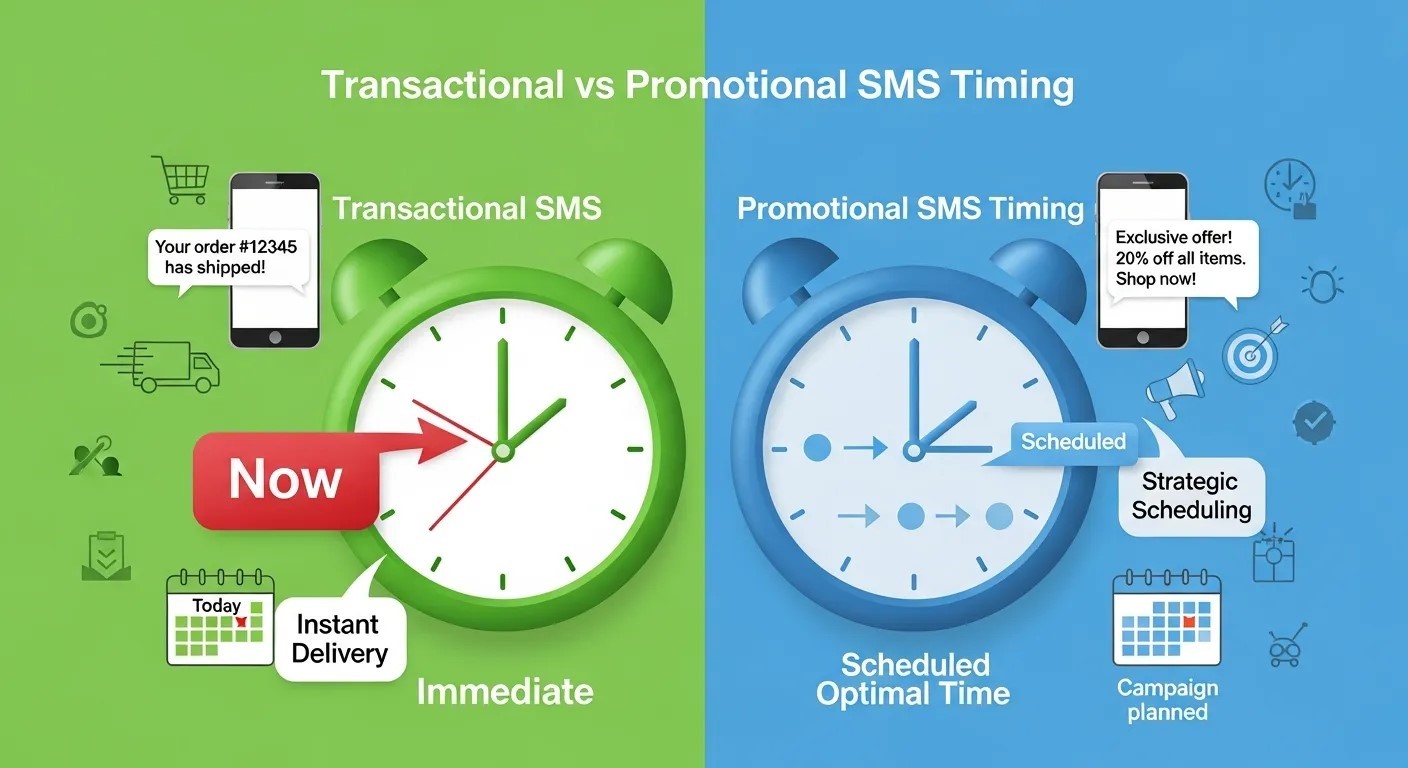
Not all messages serve the same purpose. Transactional messages demand immediacy, while promotional messages rely on receptiveness. The best time for SMS marketing differs significantly between these categories.
Order confirmations and alerts perform well instantly, regardless of time. Promotional offers, however, need thoughtful timing to avoid annoyance. Aligning message type with timing context improves engagement quality.
Separating transactional and promotional timing strategies helps define the true best time for SMS marketing across use cases.
Cultural Factors That Influence SMS Timing
Cultural habits influence daily routines, work schedules, and phone usage. What works in one region may fail in another. Understanding cultural context is essential for identifying the best time for SMS marketing globally.
Lunch breaks, weekends, and evening hours differ across cultures. Brands operating in multiple regions must localize timing strategies to remain effective.
Cultural awareness ensures the best time for SMS marketing feels natural rather than disruptive.
Campaign Frequency and Timing Balance
Timing cannot be isolated from frequency. Even the best time for SMS marketing loses effectiveness if messages are sent too often. Over-communication leads to fatigue, while under-communication reduces visibility.
Finding the right balance between frequency and timing maximizes long-term engagement. Well-timed messages sent less frequently often outperform poorly timed frequent campaigns.
Strategic restraint strengthens the impact of the best time for SMS marketing.
Using Historical Campaign Data to Predict Timing
Historical performance data is a goldmine for timing optimization. Past open rates, clicks, and conversions reveal trends that guide future decisions. This data-driven approach refines the best time for SMS marketing continuously.
Patterns often emerge over weeks or months, highlighting specific days or hours that consistently perform better. Predictive timing improves accuracy without guesswork.
Brands that leverage historical data reduce wasted sends and improve campaign efficiency.
Aligning SMS Timing with Offline Behavior
Offline behavior influences online engagement. Work schedules, family routines, and leisure habits all affect when users interact with messages. The best time for SMS marketing often aligns with these offline moments.
For example, retail messages perform better when users are physically able to shop or browse. Aligning timing with real-life behavior increases relevance and response rates.
Understanding offline context strengthens timing strategies significantly.
Long-Term Impact of Timing on Brand Trust
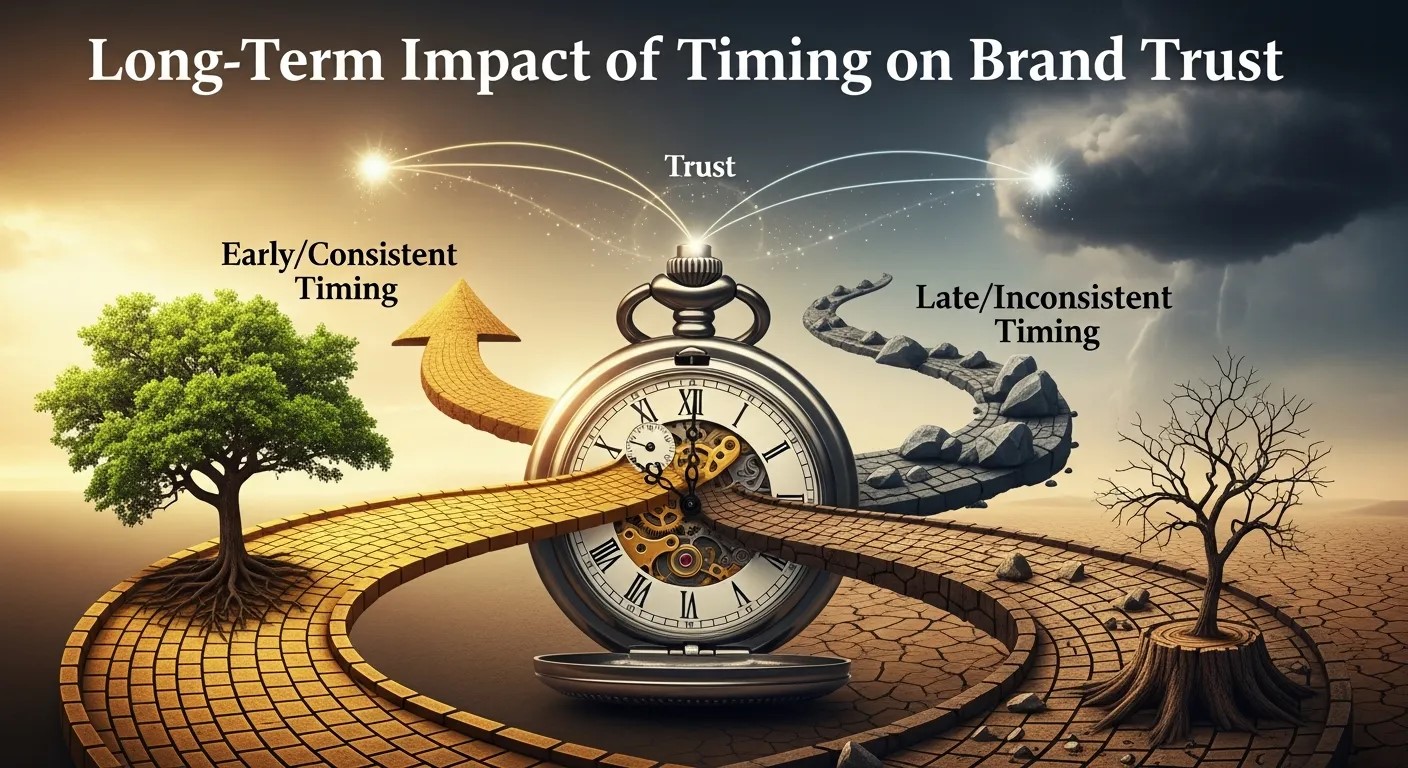
Timing affects more than clicks it affects trust. Sending messages at respectful times builds positive brand associations. Repeatedly interrupting users damages credibility.
The best time for SMS marketing supports both performance and perception. Brands that prioritize respectful timing see lower opt-out rates and stronger loyalty over time.
Trust-driven timing strategies sustain growth beyond short-term metrics.
Conclusion
Choosing the best time for SMS marketing is not about guessing or following generic rules it’s about understanding human behavior, analyzing data, and respecting audience intent. When brands align timing with user routines, emotions, and engagement patterns, SMS campaigns become more relevant and effective. Consistent testing, smart automation, and thoughtful personalization turn timing into a long-term growth advantage rather than a one-time tactic.
Frequently Asked Questions (FAQ)
Why is timing important in SMS marketing?
Timing determines whether a message feels helpful or intrusive. Sending messages at the best time for SMS marketing increases open rates, clicks, and overall engagement by matching user attention and intent.
What is generally the best time for SMS marketing?
While it varies by audience, evenings between 6 PM and 9 PM often perform well. However, the best time for SMS marketing depends on user behavior, industry, and message purpose.
Does the best time for SMS marketing change by industry?
Yes. Retail, food, service, and B2B brands all show different engagement patterns. Analyzing industry-specific data helps identify the most effective timing for each business type.
How can businesses find their own best time for SMS marketing?
By tracking past campaign performance, testing different send times, and using automation tools, businesses can identify the best time for SMS marketing based on real user data.
Is automation useful for SMS timing optimization?
Absolutely. SMS marketing automation helps deliver messages at predicted high-engagement moments, making it easier to consistently reach users at the best time for SMS marketing.
Can poor timing increase unsubscribe rates?
Yes. Sending messages too early, too late, or too frequently can annoy users. Respectful timing plays a key role in maintaining trust and long-term engagement.
Should SMS timing be adjusted for different customer segments?
Definitely. New subscribers, loyal customers, and inactive users respond differently. Segment-based scheduling improves relevance and helps maintain the best time for SMS marketing across audiences.