
Understanding Email and SMS Marketing: How It Drives Engagement and Sales
In today’s digital world, businesses are constantly searching for ways to connect directly with their customers. Email and SMS Marketing has emerged as one of the most effective strategies to achieve this goal. By combining targeted messaging with personalization, brands can engage audiences, drive sales, and foster loyalty. Understanding Email and SMS Marketing is crucial for any business that wants to thrive in the modern marketplace.
Both channels serve distinct purposes but are highly complementary. Email and SMS Marketing allows companies to reach customers in their inbox and on their mobile devices, ensuring that messages are timely, relevant, and actionable.
What Is Email Marketing?
Email and SMS Marketing begins with email, one of the oldest and most reliable digital channels. Email marketing involves sending messages to a subscriber list, which may include newsletters, promotions, announcements, or personalized offers. Businesses use email to communicate directly with their audience in a way that feels personal and valuable.
Why Email Marketing Works
The effectiveness of email marketing comes from its ability to be personalized and segmented. People are more likely to engage with messages that feel relevant to their interests or behavior. By analyzing past purchases, website activity, or preferences, marketers can tailor emails to specific audiences.
Email and SMS Marketing strategies often leverage psychology, using attention-grabbing subject lines, storytelling, and clear calls-to-action. This approach encourages recipients to open emails, click links, and ultimately convert into loyal customers.
Types of Email Marketing
There are several types of email campaigns commonly used in Email and SMS Marketing:
Promotional Emails: Designed to promote products, discounts, or special events.
Transactional Emails: Triggered by user actions such as purchases, subscriptions, or password resets.
Behavioral Emails: Personalized based on user behavior, like browsing history or past purchases.
Newsletter Emails: Provide regular updates or educational content, keeping audiences engaged over time.
Each type plays a critical role in maintaining consistent communication with the audience while reinforcing brand authority.
What Is SMS Marketing?
While email reaches the inbox, SMS targets the mobile device directly. Email and SMS Marketing strategies often combine these two channels for maximum effectiveness. SMS marketing sends concise messages directly to a user’s phone, which can include promotions, alerts, reminders, or transactional updates.
Why SMS Marketing Is Effective
SMS marketing is highly effective due to its immediacy and direct nature. Messages are usually read within minutes, making SMS ideal for time-sensitive offers. The human brain perceives text messages as urgent, which encourages faster engagement.
Email and SMS Marketing benefits from this immediacy, allowing brands to complement slower-moving channels like email. When emails are ignored, a follow-up SMS can remind the recipient, ensuring higher engagement rates.
Use Cases for SMS Marketing
SMS campaigns can be versatile within Email and SMS Marketing frameworks:
- Flash sales or limited-time offers
- Appointment or event reminders
- Delivery and shipping updates
- Surveys and feedback requests
- Personalized recommendations based on purchase history
Businesses often explore Mobile SMS Marketing as part of this strategy, enabling them to send messages that feel personal while reaching users wherever they are.
Integrating Email and SMS Marketing
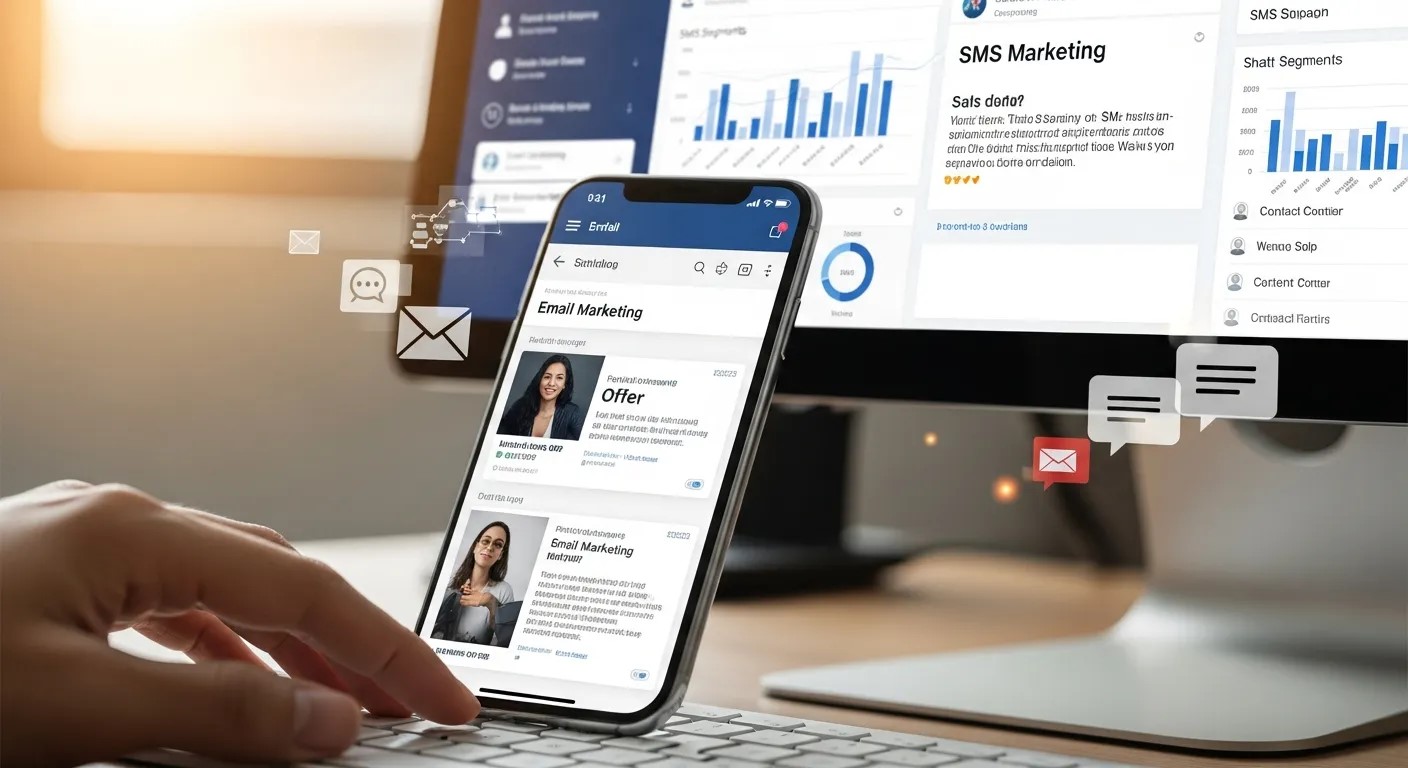
One of the biggest advantages of Email and SMS Marketing is how these channels work together. While emails provide detailed, rich content, SMS serves as a quick, attention-grabbing touchpoint. A combined strategy ensures that audiences receive the right message at the right time.
Sequential Messaging
Sequential messaging is a powerful tactic in Email and SMS Marketing. For example, a business might first send an email about a product launch. If the recipient doesn’t open the email, a follow-up SMS can provide a reminder. This layered approach increases conversions without overwhelming the audience.
Personalized and Dynamic Content
Modern platforms allow for dynamic personalization in Email and SMS Marketing. An email may include a detailed recommendation based on previous behavior, while an SMS reinforces the same offer with urgency. By creating a cohesive narrative across channels, businesses increase engagement, trust, and loyalty.
Benefits of Email and SMS Marketing
Understanding the benefits clarifies why businesses continue to invest heavily in Email and SMS Marketing.
Cost-Effectiveness
Both email and SMS are cost-effective channels. Compared to traditional advertising, sending bulk messages requires minimal investment. Businesses often ask, SMS Marketing Cost, and while prices vary, SMS remains affordable, especially given its high engagement rates.
High Engagement
Email marketing can achieve strong open rates when personalized, and SMS has a nearly 98% open rate. Integrating these channels in Email and SMS Marketing ensures multiple touchpoints for the audience, improving the chances of conversions.
Improved Customer Retention
Regular communication through Email and SMS Marketing strengthens customer relationships. SMS Retargeting is particularly effective, allowing brands to reconnect with users who have shown interest but not yet converted. Retargeting campaigns are essential for nurturing leads and increasing lifetime value.
Measurable Results
Both channels allow businesses to track performance metrics precisely. Open rates, clicks, conversions, and unsubscribes can all be analyzed to optimize campaigns. Email and SMS Marketing is therefore not only effective but also highly measurable, ensuring marketing budgets are well-spent.
The Psychology Behind Email and SMS Marketing
The success of Email and SMS Marketing is heavily influenced by understanding human behavior. People respond positively to messages that are timely, relevant, and personalized.
Scarcity and Urgency
Humans are naturally drawn to opportunities that feel limited. Messages that include time-sensitive offers, countdowns, or flash sales trigger faster action. SMS complements this psychology effectively because text messages create a sense of immediacy.
Social Proof
Including testimonials, reviews, or user statistics in emails leverages social proof. SMS can also communicate credibility succinctly, such as noting that “over 500 customers purchased this offer today.” These tactics reinforce trust and encourage decision-making.
Personalization and Relevance
People are more likely to engage with content that speaks to their unique interests. By segmenting audiences and delivering tailored messages, Email and SMS Marketing creates a sense of personal attention that increases engagement, satisfaction, and loyalty.
Mobile SMS Marketing: Why It Matters
With mobile device usage continuing to rise, Mobile SMS Marketing has become a critical component of modern Email and SMS Marketing strategies. Unlike email, which may sit unread, SMS reaches the user instantly, making it ideal for urgent promotions, location-based offers, or last-minute reminders.
Mobile SMS marketing also enhances customer experience. For instance, pairing an email with a timely SMS reminder ensures that users receive key information in a format they are most likely to notice and act upon.
Advanced Strategies for Email Marketing
While basic email campaigns can deliver results, advanced strategies allow businesses to maximize the power of Email and SMS Marketing. By using sophisticated segmentation, personalization, and automation, brands can ensure their messages are not only delivered but also acted upon.
Segmentation for Better Targeting
Segmentation involves dividing your audience into smaller groups based on criteria such as demographics, purchase history, or behavior. Within Email and SMS Marketing, segmentation enables brands to send content that resonates with each audience segment. For instance:
Customers who purchased in the past 30 days may receive product recommendations.
Subscribers who never opened previous emails might get re-engagement campaigns.
High-value clients may receive VIP offers or exclusive promotions.
Segmentation increases relevance, which leads to higher open rates, engagement, and conversions.
Personalization Beyond the Name
Personalization in Email and SMS Marketing goes far beyond inserting a recipient’s first name. Dynamic content allows marketers to tailor recommendations, offers, and messaging based on user behavior. Examples include:
- Product suggestions based on past purchases
- Abandoned cart reminders with specific items listed
- Location-based offers for nearby stores
This approach makes emails feel less like marketing and more like a helpful communication, increasing trust and action.
A/B Testing for Continuous Improvement
Even well-crafted emails may not perform as expected without testing. Email and SMS Marketing strategies benefit from A/B testing subject lines, content, CTAs, and send times. Testing helps identify what resonates most with your audience and allows campaigns to evolve.
Advanced SMS Marketing Tactics
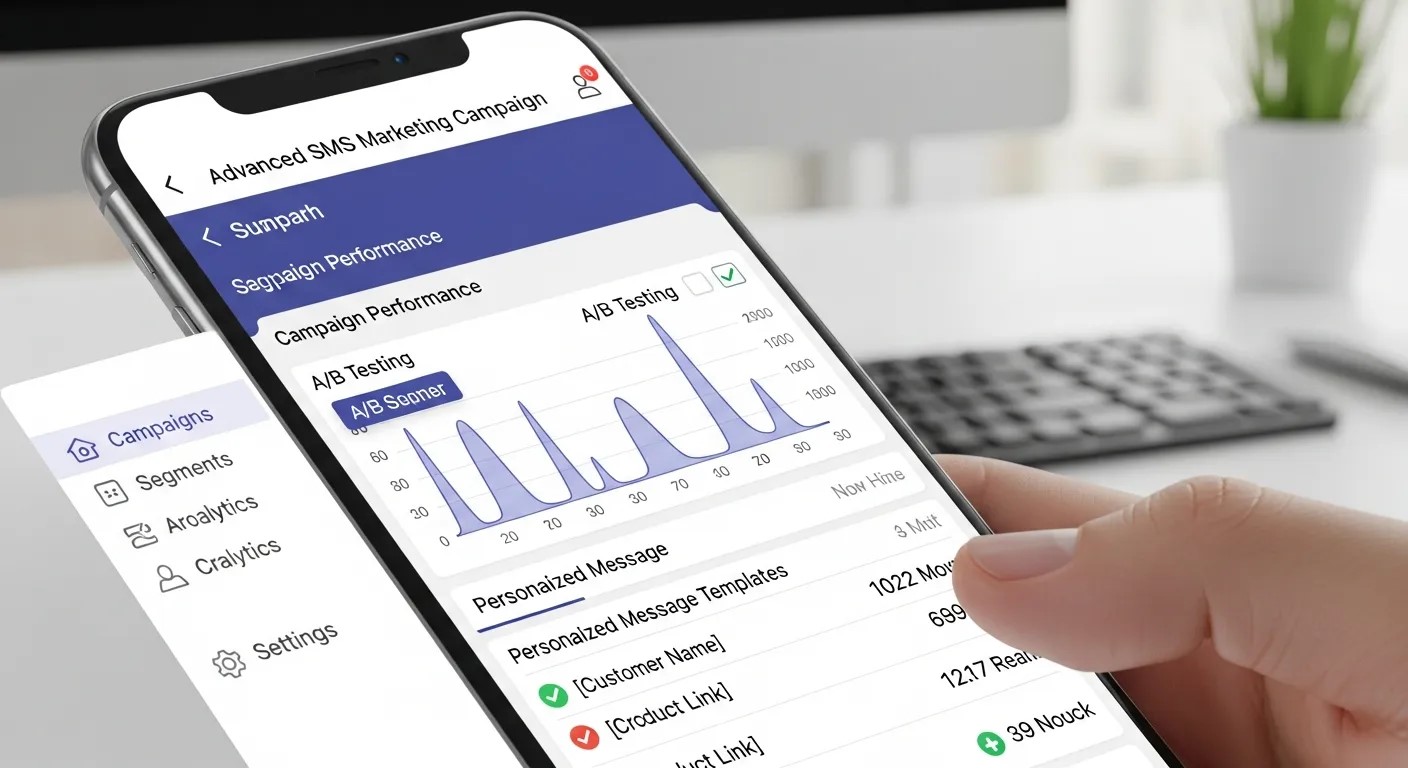
SMS marketing is simple in appearance but highly effective when executed strategically. Within Email and SMS Marketing, advanced SMS tactics focus on engagement, urgency, and integration with other channels.
Timing and Frequency
The timing of SMS campaigns is crucial. Messages sent at the right moment—such as during lunch breaks or after work hours tend to have higher engagement. Within Email and SMS Marketing, combining SMS with email ensures that messages reach recipients when they are most likely to act.
Mobile SMS Marketing for Engagement
Mobile SMS Marketing is particularly useful for campaigns requiring instant attention. It is ideal for:
- Flash sales and limited-time promotions
- Event reminders and confirmations
- Last-minute updates on stock or service availability
SMS complements email by providing a direct, personal nudge, making it a critical part of the Email and SMS Marketing ecosystem.
SMS Retargeting
SMS Retargeting is a powerful technique for reconnecting with users who have interacted with a brand but have not converted. For example, a user who abandons a shopping cart can receive a timely SMS with a reminder or special offer. When paired with follow-up emails, Email and SMS Marketing campaigns achieve higher conversion rates and increased ROI.
Automation in Email and SMS Marketing
Automation has transformed Email and SMS Marketing, allowing businesses to engage audiences consistently without manual intervention. Automated workflows ensure timely communication based on user behavior, lifecycle stage, or triggers.
Workflow Automation
Workflows in Email and SMS Marketing can include:
- Welcome sequences for new subscribers
- Birthday or anniversary offers
- Abandoned cart sequences
- Re-engagement campaigns for inactive users
Automation ensures that every user receives the right message at the right time, enhancing the likelihood of engagement and conversion.
AI-Powered Personalization
AI integration within Email and SMS Marketing allows for hyper-personalized campaigns at scale. AI can predict user behavior, recommend products, and even optimize send times for maximum impact. By leveraging AI, brands can increase both efficiency and effectiveness in campaigns.
Multi-Channel Synchronization
Effective Email and SMS Marketing relies on synchronization across channels. Automated workflows can send a follow-up SMS if an email goes unopened or trigger an email if a user clicks a link in an SMS. This ensures cohesive messaging while optimizing user experience.
Integrating Analytics for Better Performance
Metrics and analytics are at the core of successful Email and SMS Marketing campaigns. By monitoring performance, businesses can make data-driven decisions to optimize campaigns.
Key Metrics to Track
- Open Rates: Measures how many recipients opened your email or SMS.
- Click-Through Rates (CTR): Indicates engagement with links or offers.
- Conversion Rates: Tracks how many users completed the desired action.
- Unsubscribe Rates: Highlights potential content fatigue or irrelevant messaging.
Using Data for Optimization
Analyzing these metrics helps refine Email and SMS Marketing campaigns over time. For instance, if an email segment has low engagement, testing different subject lines, personalization tactics, or sending times may improve results. Similarly, SMS campaigns can be optimized by adjusting frequency, timing, or message length.
ROI Analysis
Both email and SMS channels offer measurable ROI. Businesses can calculate revenue generated per campaign, cost per acquisition, and overall customer lifetime value. Tracking ROI ensures that Email and SMS Marketing efforts are aligned with business objectives.
Combining Email and SMS Marketing with Other Channels
For maximum effectiveness, Email and SMS Marketing should not operate in isolation. Integrating these channels with social media, paid ads, and website experiences creates a holistic marketing ecosystem.
Social Media Integration
Emails can encourage social media engagement by including share buttons, promoting content, or directing users to follow pages. SMS campaigns can send updates about live events, contests, or limited social offers. Together, they reinforce brand presence across channels.
Paid Advertising Coordination
Email and SMS Marketing campaigns can complement paid ads by targeting audiences with similar messaging. Retargeting users via email and SMS after they engage with paid ads increases conversions and reinforces messaging consistency.
Customer Journey Mapping
Mapping the customer journey allows marketers to identify touchpoints where Email and SMS Marketing can add value. By aligning messaging with user intent, brands ensure that communications are timely, relevant, and persuasive.
Case Study Examples
Real-world examples illustrate the power of Email and SMS Marketing.
E-commerce Retailer: Used segmentation, abandoned cart reminders, and SMS follow-ups to increase conversion rates by 25%.
Service-Based Business: Leveraged SMS reminders and email workflows to reduce appointment no-shows by 40%.
Subscription Brand: Integrated AI-driven personalization for emails and SMS promotions, resulting in a 30% increase in repeat purchases.
These examples highlight how combining email and SMS, personalized strategies, and analytics can produce tangible results.
Multi-Channel Campaigns with Email and SMS Marketing
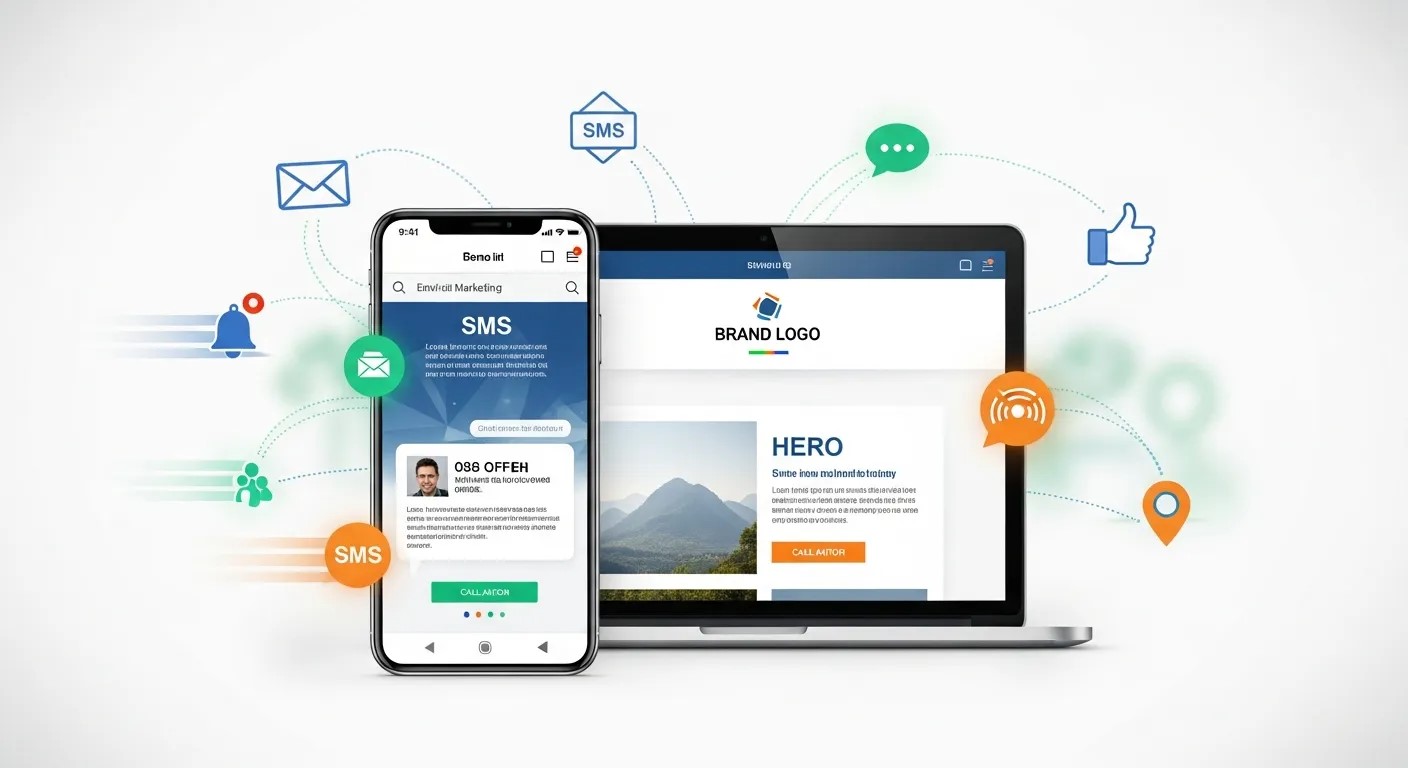
In modern marketing, relying solely on a single channel is rarely effective. Email and SMS Marketing works best when integrated into a multi-channel approach. By combining these channels with social media, paid advertising, and website experiences, businesses can create cohesive, persuasive campaigns.
Why Multi-Channel Matters
Consumers today interact with brands across multiple touchpoints. A person might see an ad on social media, browse the website, receive an email, and then get an SMS reminder before purchasing. Email and SMS Marketing ensures that these touchpoints are consistent and relevant. This multi-channel integration leverages psychology—repetition builds trust and familiarity, while timely messages encourage action.
Coordinated Messaging
A coordinated campaign involves sending complementary messages across channels without overwhelming the audience. For example:
- An email introduces a new product line.
- A follow-up SMS provides a limited-time discount to encourage purchase.
- Social media posts showcase testimonials and reviews for social proof.
By planning campaigns in this way, Email and SMS Marketing maximizes engagement and increases conversion potential.
Conversion Optimization Techniques
Even the best campaigns can fail if not optimized for conversions. Email and SMS Marketing allows marketers to test, analyze, and refine strategies for better results.
Crafting Compelling Calls-to-Action
A strong call-to-action (CTA) is essential in both emails and SMS. Effective CTAs are:
- Clear and concise
- Action-oriented
- Aligned with the user’s intent
For instance, in Mobile SMS Marketing, a short text like “Claim your 20% discount now!” prompts immediate action, while a corresponding email might provide additional details or product images.
A/B Testing for Emails and SMS
A/B testing is a cornerstone of Email and SMS Marketing. Test subject lines, message length, visuals, and timing to identify what resonates most with your audience. Over time, these tests improve engagement and conversions by providing insights into user preferences.
Personalization and Behavioral Targeting
Personalization goes beyond addressing the user by name. Behavioral targeting such as recommending products based on browsing history or purchase patterns enhances relevance. SMS Retargeting is particularly effective in this context, reconnecting with users who have shown interest but not yet completed an action.
Common Mistakes in Email and SMS Marketing
Despite the effectiveness of Email and SMS Marketing, businesses can make errors that reduce impact. Understanding these mistakes helps marketers avoid costly pitfalls.
Overloading Recipients
Sending too many messages can frustrate recipients and increase unsubscribes. A well-planned cadence in Email and SMS Marketing ensures consistent communication without overwhelming the audience.
Ignoring Segmentation
Generic messaging fails to engage modern consumers. Segmentation based on demographics, behavior, or purchase history ensures messages are relevant and increases open and click-through rates.
Neglecting Mobile Optimization
Most users access emails and SMS on mobile devices. Ignoring mobile optimization in Email and SMS Marketing can reduce readability, click-throughs, and conversions. Ensure that email templates and links are mobile-friendly.
Failing to Track Metrics
Without tracking key performance indicators, businesses cannot improve. Metrics like open rates, CTR, and conversions provide insights that drive strategy refinement.
Emerging Trends in Email and SMS Marketing
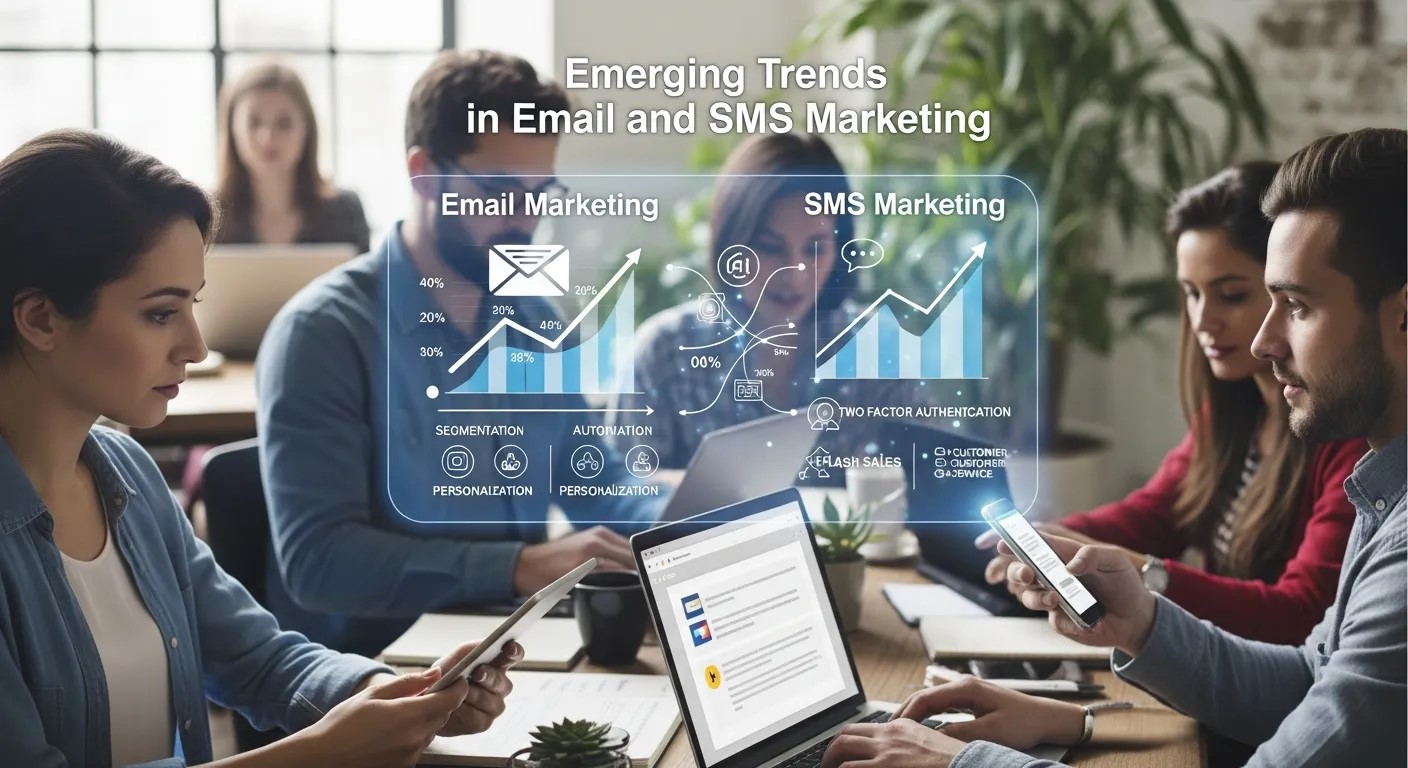
Email and SMS Marketing continues to evolve with technology, consumer behavior, and digital innovations. Staying ahead of trends is essential for maintaining competitive advantage.
AI and Predictive Analytics
AI integration allows marketers to predict user behavior and personalize messaging at scale. Automated recommendations, send-time optimization, and dynamic content make campaigns more effective.
Interactive Emails
Interactive Emails with embedded videos, quizzes, or surveys are gaining popularity. Interactive content increases engagement and encourages recipients to interact directly with the brand.
Omnichannel Integration
Consumers expect seamless experiences across channels. Integrating Email and SMS Marketing with apps, social media, and in-store experiences ensures consistent messaging and maximizes impact.
Privacy and Compliance
With growing concerns over data privacy, marketers must prioritize consent and transparency. Ensuring compliance with regulations like GDPR and TCPA strengthens trust and protects brand reputation.
Metrics That Matter for Email and SMS Marketing
Monitoring performance is crucial for optimizing Email and SMS Marketing campaigns. Key metrics include:
| Metric | Why It Matters |
|---|---|
| Open Rate | Indicates interest in the subject line or SMS preview |
| Click-Through Rate | Shows engagement with content or links |
| Conversion Rate | Measures success in achieving desired outcomes |
| Unsubscribe Rate | Highlights message fatigue or irrelevance |
| ROI | Tracks revenue relative to campaign cost |
Analyzing these metrics allows marketers to refine segmentation, personalization, and messaging strategies, ensuring ongoing improvement in Email and SMS Marketing campaigns.
Conclusion
Email and SMS Marketing is a vital tool for businesses aiming to engage audiences, boost conversions, and nurture long-term customer relationships. By combining personalized emails with timely SMS messages, companies can deliver relevant content that resonates with their audience. Leveraging segmentation, automation, and multi-channel strategies ensures messages reach the right people at the right time. When executed thoughtfully, Email and SMS Marketing not only drives measurable results but also strengthens brand loyalty and positions businesses for sustainable growth in the digital landscape.
Frequently Asked Questions (FAQ)
What is Email and SMS Marketing?
Email and SMS Marketing is a digital strategy where businesses send messages directly to users’ inboxes or mobile phones. It combines email campaigns with SMS messages to engage audiences, drive sales, and build customer loyalty.
Why should businesses use Email and SMS Marketing?
These channels allow direct communication with customers, providing personalized, timely, and relevant messages. They help increase engagement, improve conversions, and strengthen brand loyalty while being cost-effective.
What is Mobile SMS Marketing?
Mobile SMS Marketing is the process of sending promotional or informational text messages to mobile users. It’s highly effective due to instant delivery, high open rates, and immediacy, making it ideal for time-sensitive campaigns.
How much does SMS marketing cost?
SMS Marketing Cost? varies based on the provider, volume of messages, and region. Generally, it’s affordable compared to other marketing channels, and the high engagement rates make it a cost-efficient way to reach customers.
What is SMS Retargeting?
SMS Retargeting involves sending messages to users who have previously interacted with a brand but haven’t converted. It helps re-engage potential customers, reminding them of abandoned carts, offers, or upcoming events.
Can Email and SMS Marketing be automated?
Yes! Automation allows businesses to send personalized messages based on user behavior, preferences, or lifecycle stages. Automated workflows save time and ensure timely, relevant communication with each customer.
How do I measure the success of Email and SMS Marketing?
Success can be measured through metrics such as open rates, click-through rates, conversions, unsubscribe rates, and ROI. Monitoring these metrics helps refine campaigns for better engagement and performance.