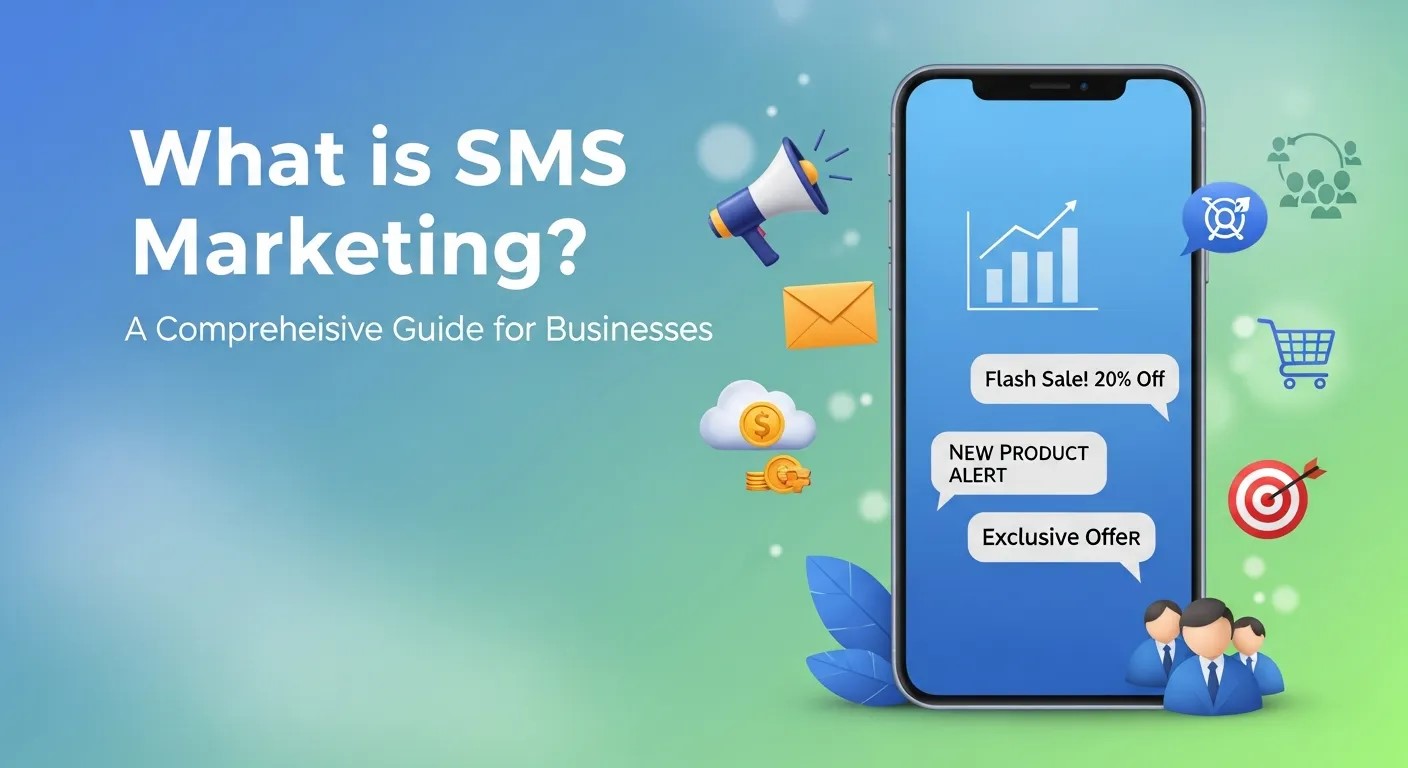
SMS marketing enables businesses to reach customers instantly, boost engagement, and drive conversions. With automation, personalization, and multi-channel integration, companies can deliver timely, relevant messages while maximizing ROI and enhancing overall customer experience.
How SMS Marketing Transforms Business Communication
In today’s fast-paced digital landscape, businesses constantly search for strategies that allow them to reach their audience quickly, effectively, and personally. Among the most reliable tools available is SMS marketing. Unlike email or social media campaigns, SMS provides direct access to a customer’s mobile device, ensuring messages are read almost instantly. For businesses aiming to increase engagement, drive conversions, and foster stronger relationships, SMS marketing has emerged as an essential channel.
The simplicity and immediacy of text messaging make this form of marketing uniquely powerful. Studies consistently show that SMS messages boast an open rate of over 90%, significantly higher than email campaigns. This ensures that promotions, alerts, and updates reach the target audience without getting lost in crowded inboxes.
Moreover, SMS marketing Business is adaptable to a wide variety of industries. From e-commerce brands sending product offers to service-based businesses sharing appointment reminders, this method allows companies to maintain a consistent, personalized connection with their audience. Its flexibility and measurable results make it a crucial component of modern marketing strategies.
Understanding SMS Marketing
SMS marketing is a digital marketing strategy that leverages text messaging to communicate directly with customers. It can be used for promotions, reminders, transactional messages, or engagement campaigns. What makes SMS marketing particularly effective is its ability to cut through noise and deliver information directly to consumers in real time.
There are several types of Promote SMS Marketing techniques:
Promotional SMS: Messages aimed at increasing sales by offering discounts or highlighting new products.
Transactional SMS: Important alerts like order confirmations, shipping notifications, and payment reminders.
Engagement SMS: Personalized content aimed at building customer loyalty and encouraging repeat business.
Businesses also increasingly use Bulk SMS Marketing to efficiently reach large audiences. Sending messages in bulk allows companies to communicate with hundreds or thousands of contacts simultaneously, which saves time and reduces operational complexity.
The Importance of SMS Marketing for Businesses
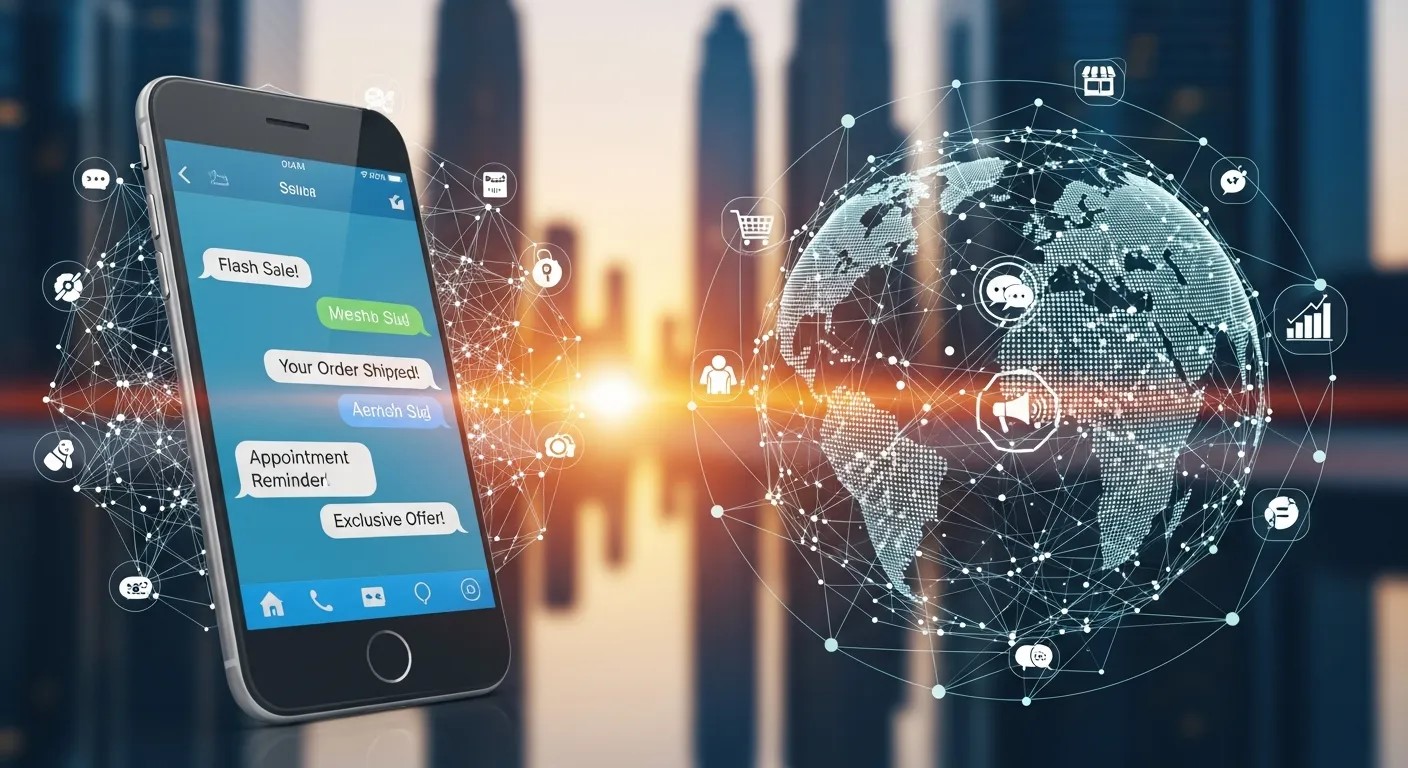
Businesses looking to remain competitive cannot ignore the benefits of SMS marketing. Here’s why:
1. High Open Rates
As mentioned, text messages have an exceptionally high open rate. Most people check their phones frequently, meaning promotional content delivered via SMS is far more likely to be seen than email.
2. Immediate Engagement
SMS messages prompt instant action. Whether a company is announcing a flash sale or reminding customers of an appointment, messages are typically read within minutes of receipt. This immediacy ensures campaigns can drive faster responses.
3. Cost-Effective Marketing
Compared to traditional advertising methods, SMS marketing is highly affordable. Businesses of all sizes can implement campaigns without straining their budget, making it an excellent choice for startups and SMEs.
4. Personalization Capabilities
With modern tools, companies can personalize SMS content to address customers by name, reference past purchases, or offer relevant promotions. SMS marketing automation allows businesses to send messages triggered by specific behaviors, further increasing engagement rates.
5. Measurable Results
Unlike some offline marketing tactics, SMS campaigns provide clear metrics. Businesses can track delivery rates, open rates, and conversion rates, allowing for precise optimization and better ROI assessment.
How SMS Marketing Fits into a Modern Marketing Strategy
Integrating SMS into a broader digital marketing plan enhances overall effectiveness. Companies often combine SMS campaigns with email marketing, social media efforts, and even AI-driven platforms to create cohesive experiences. For instance, pairing SMS marketing automation with AI-driven chatbot marketing enables businesses to provide instant responses to inquiries, nurturing leads more efficiently.
Additionally, integrating SMS with WhatsApp marketing automation allows companies to maintain multi-channel engagement without overwhelming their audience. This approach ensures that customers receive timely, relevant messages across the platforms they use most.
Key Benefits for Businesses
To summarize, SMS marketing offers the following advantages for businesses:
| Benefit | Description |
|---|---|
| High Visibility | Messages are seen almost immediately by recipients. |
| Cost Efficiency | Lower costs compared to traditional advertising. |
| Direct Engagement | Encourages immediate interaction from customers. |
| Personalization | Tailored messages increase customer loyalty. |
| Automation Potential | Integrates with marketing automation tools for efficiency. |
With these benefits, companies can achieve not only higher engagement but also stronger brand loyalty and measurable ROI.
Implementing SMS Marketing Effectively
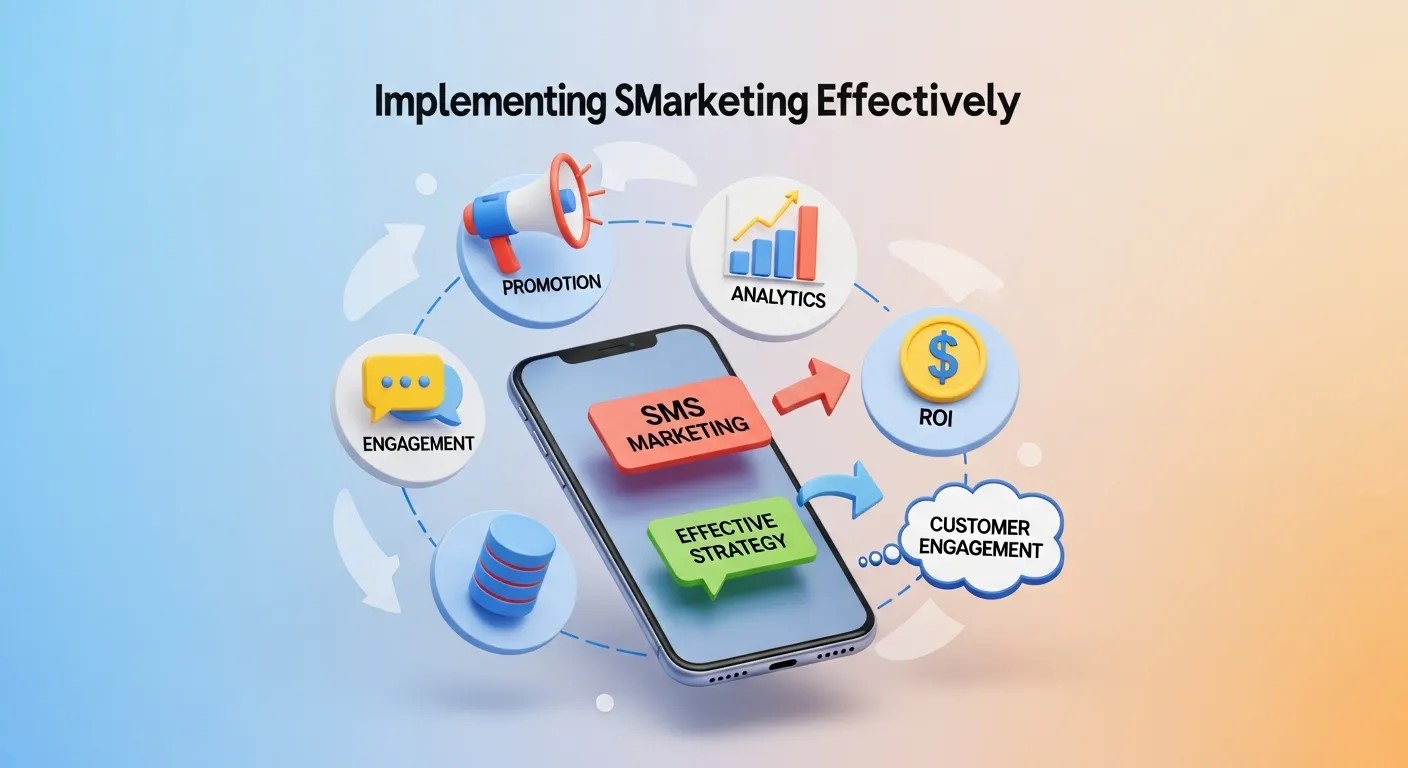
While SMS marketing is powerful, businesses must approach it strategically. Best practices include:
Segmenting Audiences: Avoid generic messaging by categorizing contacts based on preferences, purchase history, or location.
Timing Messages Properly: Sending SMS at optimal times increases the likelihood of engagement.
Keeping Messages Concise: Text messages should be clear and actionable, ideally under 160 characters.
Integrating with Other Channels: Combining SMS with email, social media, and AI-driven chatbots ensures a comprehensive marketing approach.
Monitoring and Optimizing: Track key metrics like click-through and conversion rates to continually improve campaigns.
By following these principles, businesses can leverage SMS marketing to its full potential without overwhelming their audience.
Types of SMS Marketing
Understanding the different types of SMS marketing is crucial for designing campaigns that resonate with your audience. Businesses can tailor their messages based on purpose, timing, and desired engagement. Here are the most effective forms:
1. Promotional SMS
Promotional SMS is designed to increase sales and drive traffic. These messages often contain limited-time offers, discounts, or product launches. For instance, an e-commerce brand can notify customers about a flash sale to create urgency.
Promotional messages are particularly effective when combined with personalized content. Integrating purchase history or browsing behavior ensures that offers are relevant, increasing the likelihood of conversion. Businesses can also leverage Bulk SMS Marketing to send these promotions efficiently to large customer lists.
2. Transactional SMS
Transactional messages provide essential information related to purchases, appointments, or account updates. Common examples include:
- Order confirmations
- Shipping notifications
- Payment reminders
- Appointment alerts
Transactional SMS ensures customers are informed in real time, improving trust and reliability. Many businesses now use SMS marketing automation to trigger these messages automatically, reducing manual work and enhancing customer satisfaction.
3. Engagement SMS
Engagement SMS aims to strengthen relationships with customers by providing value beyond promotions. Examples include:
- Loyalty program updates
- Personalized recommendations
- Event reminders
- Surveys or feedback requests
These messages help maintain long-term relationships and increase repeat business. Combining engagement campaigns with AI-driven chatbot marketing enables companies to respond to customer queries instantly, further improving engagement rates.
4. Reminder SMS
Reminder SMS is a powerful tool for service-based businesses. Whether for medical appointments, subscription renewals, or scheduled maintenance, timely reminders reduce missed appointments and enhance customer reliability. Using WhatsApp marketing automation alongside SMS can create a multi-channel reminder system that covers more customer preferences.
Key Strategies for Effective SMS Marketing
Having identified the types, businesses need strategies to ensure campaigns are impactful.
1. Audience Segmentation
Segmentation divides your audience into categories based on demographics, behavior, purchase history, or engagement level. This ensures messages are relevant, increasing open and conversion rates. For example, loyal customers might receive early access to sales, while new subscribers get welcome offers.
Segmentation also allows better timing for message delivery. Businesses using SMS marketing automation can schedule messages for each segment at the optimal moment, ensuring maximum engagement.
2. Personalization
Personalized messages outperform generic ones. Simple personalization, such as including the recipient’s name, enhances the message’s relevance. Advanced personalization might include recommendations based on purchase history or previous engagement patterns.
Integrating personalization with AI-driven chatbot marketing allows dynamic content delivery. Customers can receive personalized responses or suggestions instantly, bridging the gap between automation and human interaction.
3. Timing and Frequency
Even the best message can fail if sent at the wrong time. Research shows that texts sent during business hours or peak engagement times have higher response rates. However, over-sending can lead to unsubscribes.
A balanced approach, often managed through SMS marketing automation, ensures customers receive messages frequently enough to stay informed but not so often that it becomes intrusive.
4. Clear and Concise Messaging
SMS has a character limit, so messages must be clear, actionable, and concise. Use short sentences and direct calls to action. For example: “Get 20% off your order today! Shop now: [link]”
Concise messages work best for both Bulk SMS Marketing and individual campaigns, as they respect the recipient’s time while delivering high-value content.
5. Integrating Multi-Channel Campaigns
Modern marketing doesn’t rely solely on SMS. Integrating SMS with email, social media, and chatbots creates a seamless experience. For instance:
- Combining engagement SMS with email newsletters for richer content.
- Using AI-driven chatbot marketing to answer questions prompted by SMS offers.
- Sending a reminder via SMS, then following up with WhatsApp marketing automation for updates
Multi-channel strategies increase engagement by meeting customers where they are and offering consistent messaging across platforms.
6. Measuring Performance
Tracking results is critical for optimization. Key metrics include:
| Metric | Purpose |
|---|---|
| Delivery Rate | Ensures messages reach recipients successfully |
| Open Rate | Measures how many recipients view the message |
| Click-Through Rate (CTR) | Evaluates how many users follow the call to action |
| Conversion Rate | Assesses how many recipients complete the desired action |
Performance tracking allows businesses to refine campaigns. Combining SMS marketing automation with analytics tools makes it easier to optimize content, timing, and audience targeting.
Advanced SMS Marketing Approaches
Beyond basic campaigns, businesses can explore advanced methods to boost efficiency and ROI.
AI-Driven Personalization
AI tools analyze customer behavior and engagement patterns to deliver hyper-personalized messages. This reduces guesswork and improves targeting, resulting in higher conversions. Integrating AI-driven chatbot marketing with SMS campaigns ensures dynamic interaction, creating a human-like experience even in automated systems.
Automation at Scale
Automation allows businesses to manage large campaigns without manual effort. Using SMS marketing automation, companies can trigger messages based on specific customer actions, such as abandoned carts or subscription expirations. This ensures timely, relevant communication with minimal resource allocation.
Cross-Platform Engagement
By combining SMS with platforms like WhatsApp, businesses increase the reach and convenience of their messaging. WhatsApp marketing automation enables multi-channel campaigns that cater to customer preferences, reinforcing brand messages and improving engagement.
Tools & Automation for SMS Marketing
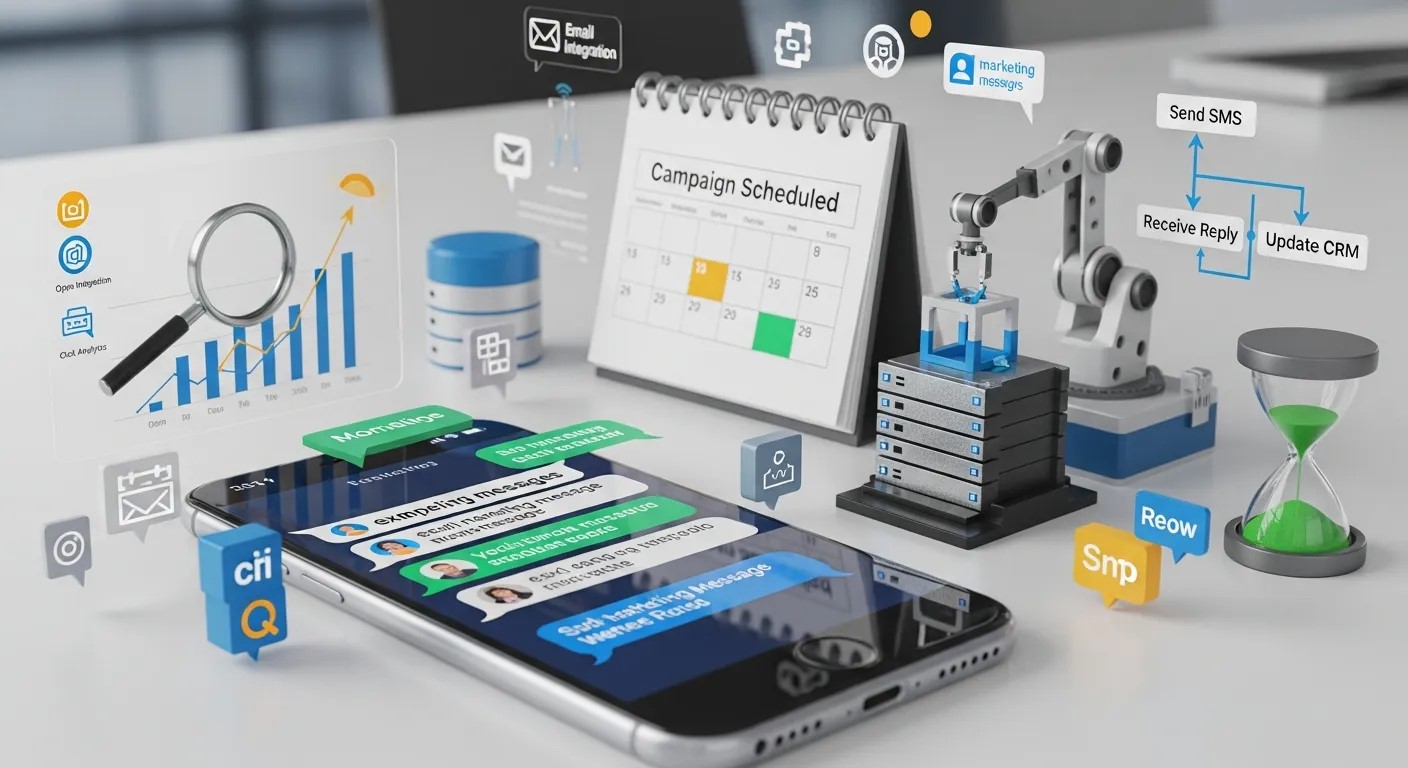
To maximize the effectiveness of SMS marketing, businesses increasingly rely on specialized tools and automation platforms. These solutions simplify campaign management, enhance targeting, and allow companies to deliver timely, relevant messages to their audience at scale.
Essential SMS Marketing Tools
Choosing the right tools is critical for implementing campaigns effectively. Here are the key categories:
1. Bulk SMS Platforms
Bulk SMS Marketing platforms allow businesses to send large volumes of messages quickly and efficiently. These tools are particularly useful for promotional campaigns, alerts, and announcements. Features often include:
- Scheduled message delivery
- Contact list management
- Analytics dashboards to track performance
- Integration with CRM and e-commerce platforms
Using a bulk messaging platform ensures that businesses can reach a wide audience while maintaining control over timing, segmentation, and content.
2. Marketing Automation Tools
Automation is a game-changer for modern SMS marketing. With SMS marketing automation, companies can trigger messages based on customer behavior, preferences, or engagement patterns. Key features include:
- Automated follow-ups for abandoned carts
- Birthday or anniversary messages
- Transactional alerts like shipping notifications
- Drip campaigns for lead nurturing
Automation reduces manual effort while increasing relevance, ensuring messages reach the right people at the right time.
3. AI-Powered Tools
Advanced tools leverage artificial intelligence to enhance messaging. AI-driven chatbot marketing can handle customer inquiries instantly, provide product recommendations, and engage users in personalized conversations. AI tools also analyze data to optimize message timing, content, and targeting.
4. CRM Integration
Integrating SMS campaigns with Customer Relationship Management (CRM) systems allows businesses to use customer data effectively. This integration enables:
- Personalized messaging based on purchase history
- Segmented campaigns targeting specific customer groups
- Tracking of customer responses for analytics and optimization
CRM integration ensures that SMS campaigns are not isolated but part of a holistic customer engagement strategy.
5. Multi-Channel Platforms
Modern marketing platforms often combine SMS with other channels, such as email, social media, and messaging apps. Using WhatsApp marketing automation alongside SMS allows businesses to create seamless multi-channel campaigns that reach customers on their preferred platforms.
Benefits of Automation in SMS Marketing
Automation offers several advantages for businesses:
- Time Efficiency – Campaigns can run without manual intervention, freeing marketing teams for strategic tasks.
- Consistency – Automated workflows ensure that messages are delivered reliably and on schedule.
- Personalization at Scale – Automation allows businesses to send individualized messages to thousands of recipients without manual customization.
- Improved Metrics Tracking – Platforms provide detailed analytics, enabling data-driven optimizations.
- Enhanced Customer Experience – Timely, relevant messages improve satisfaction and engagement.
By implementing SMS marketing automation, businesses can maintain high-quality communication with their audience while scaling operations effectively.
Key Features to Look for in SMS Marketing Tools
When selecting a tool for SMS marketing, businesses should consider the following:
| Feature | Importance |
|---|---|
| Scheduling & Automation | Allows messages to be sent at optimal times without manual effort |
| Analytics & Reporting | Tracks open rates, click-through rates, and conversions |
| Segmentation | Enables targeting based on customer demographics and behavior |
| CRM Integration | Connects messaging to customer data for personalization |
| Multi-Channel Support | Integrates SMS with WhatsApp, email, and social media for cohesive campaigns |
| AI Capabilities | Optimizes campaigns and enables dynamic interactions through chatbots |
Choosing a platform with these capabilities ensures businesses can execute campaigns efficiently while maximizing engagement and ROI.
Implementing SMS Marketing Automation
Proper implementation of SMS marketing automation involves several steps:
1. Define Goals
Start by defining what the campaign aims to achieve whether it’s increasing sales, nurturing leads, or improving customer retention. Clear goals guide the structure and content of messages.
2. Segment Your Audience
Segmentation is crucial for delivering relevant content. Customers can be grouped by:
- Purchase behavior
- Engagement level
- Location
- Demographics
Automation platforms allow businesses to manage these segments easily and send targeted messages to each group.
3. Design Automated Workflows
Automated workflows outline the sequence of messages and triggers for sending them. For example:
- Welcome messages for new subscribers
- Follow-ups after abandoned cart activity
- Reminders for subscription renewals
Workflows ensure that messages are timely, consistent, and relevant.
4. Personalize Messages
Even automated messages should feel personal. Using customer data to reference names, past purchases, or preferences increases engagement. Combining personalization with AI-driven chatbot marketing can further enhance interaction quality.
5. Test and Optimize
Testing different message types, timing, and content is critical. Automation platforms provide analytics that help identify what works best, enabling businesses to refine campaigns continuously.
Case Example: Multi-Channel Automation
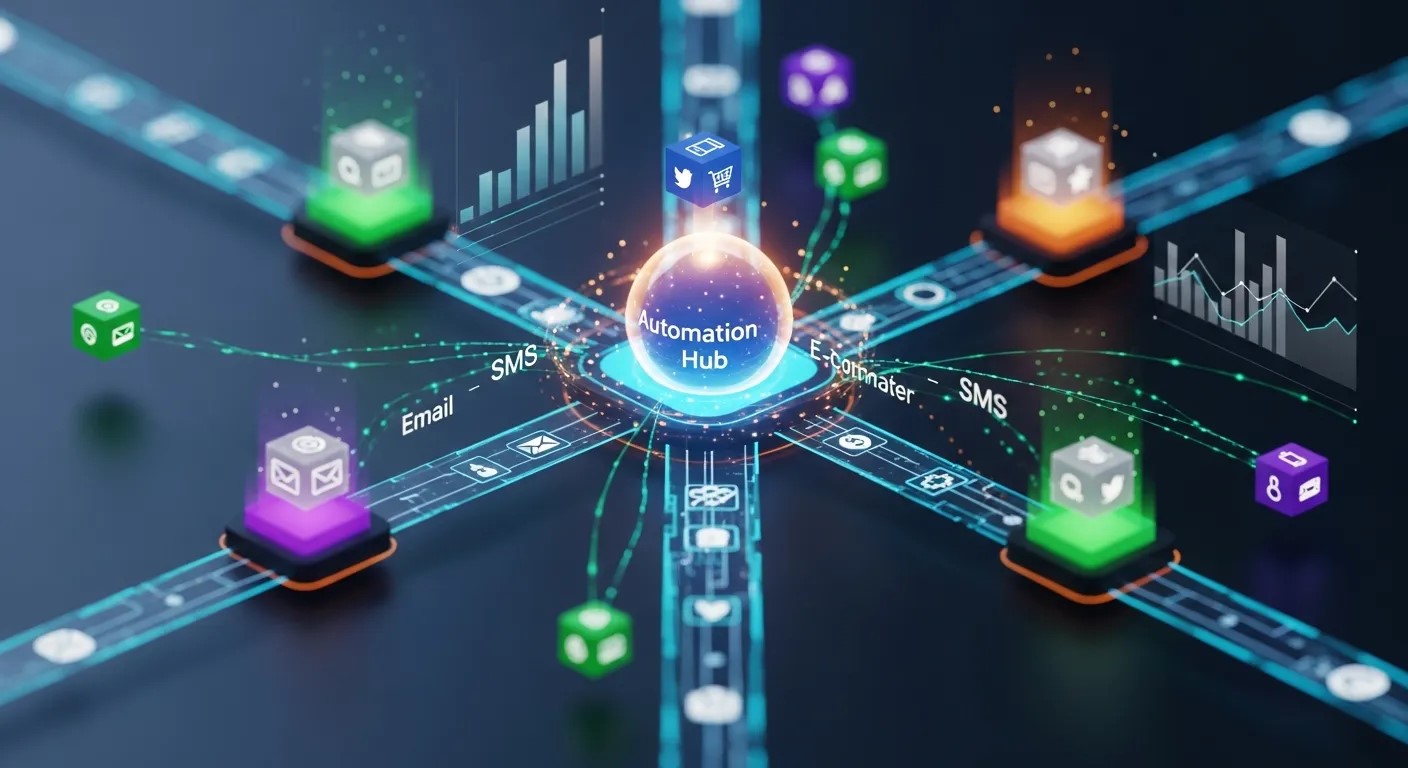
Consider a retail business that combines Bulk SMS Marketing with WhatsApp marketing automation and AI-powered chatbots. The workflow might look like this:
- SMS notification about a new sale or product launch
- WhatsApp follow-up with detailed offers or personalized suggestions
- Chatbot interaction to answer queries and guide customers through checkout
This multi-channel approach ensures high engagement, immediate responses, and a seamless customer experience.
Conclusion
SMS marketing is a powerful tool for businesses seeking direct, personalized, and timely communication with their audience. By leveraging automation, segmentation, and multi-channel strategies like WhatsApp and AI-driven chatbots, companies can enhance engagement, drive conversions, and build long-term customer loyalty efficiently. Proper implementation ensures measurable results and maximizes the impact of every message.
Frequently Asked Questions (FAQ)
What is SMS marketing?
SMS marketing is a digital strategy that uses text messages to communicate directly with customers. It can include promotions, reminders, transactional updates, and engagement campaigns to boost conversions and loyalty.
How does SMS marketing benefit businesses?
SMS marketing provides high open rates, instant engagement, cost efficiency, and personalization. It helps businesses reach customers directly, drive sales, and maintain strong customer relationships.
What is Bulk SMS Marketing?
Bulk SMS Marketing allows businesses to send messages to large groups simultaneously. It is ideal for promotions, alerts, and updates, ensuring broad reach while saving time and resources.
How does SMS marketing automation work?
SMS marketing automation triggers messages based on customer behavior, preferences, or events. This includes abandoned cart follow-ups, transactional alerts, reminders, and drip campaigns, improving efficiency and relevance.
Can SMS marketing be integrated with other channels?
Yes. SMS can be combined with email, social media, WhatsApp marketing automation, and AI-driven chatbots to create seamless multi-channel campaigns, improving engagement and customer experience.
What industries benefit most from SMS marketing?
Nearly every industry can benefit, including e-commerce, healthcare, education, retail, and service-based businesses. SMS is particularly effective for appointment reminders, promotions, and transactional updates.
How do I measure the success of an SMS campaign?
Key metrics include delivery rate, open rate, click-through rate, and conversion rate. Analytics provided by SMS platforms allow businesses to optimize content, timing, and audience targeting.
What are best practices for SMS marketing?
Best practices include segmenting audiences, personalizing messages, scheduling appropriately, keeping messages concise, integrating with other channels, and continuously testing and optimizing campaigns.
Is SMS marketing cost-effective?
Yes. SMS campaigns are generally low-cost compared to traditional advertising and deliver measurable results, making them accessible for businesses of all sizes.
How can AI enhance SMS marketing?
AI can personalize content, analyze customer behavior, optimize sending times, and power chatbots for instant engagement, improving efficiency and boosting conversions.