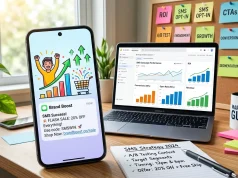

This guide breaks down the key differences between RCS vs SMS and explains how rich messaging delivers stronger engagement, higher conversions, and better customer experiences. Discover why modern brands are shifting from traditional text to interactive RCS communication.
What Is RCS Messaging?
Rich Communication Services, commonly abbreviated as RCS, represents the next generation of mobile messaging. Developed by the GSM Association as an IP-based standard, RCS aims to replace legacy SMS and MMS protocols by enabling interactive, media-rich conversations directly in the default messaging app. Unlike SMS’s 160-character limit and reliance on external links for multimedia, RCS supports embedded high-resolution images, GIFs, video playback, and dynamic carousels—all delivered via data rather than traditional cellular channels.
Organizations leveraging RCS can send branded messages that include custom logos and color schemes, fostering consistent brand identity within each message thread. Interactive elements such as quick-reply buttons, suggested actions (e.g., “Buy Now,” “Track Order”), and location sharing streamline user journeys and reduce friction. Read receipts and typing indicators provide real-time insights into customer engagement, while analytics on button taps and media views deliver granular performance data.
Support for RCS varies by carrier and device, but as of this year (2026), major operators in North America, Europe, and Asia have rolled out Business Messaging APIs that adhere to universal RCS specifications. Before launching a campaign, marketers should verify coverage and test message rendering across Android devices, since iOS support remains limited. By understanding the capabilities of RCS messaging, brands can craft immersive experiences that outshine traditional SMS and set the foundation for richer customer interactions.
Key Differences Between RCS and SMS (Extended)
Comparing RCS vs SMS highlights several transformative advantages that can elevate your messaging strategy. Below are the primary distinctions to consider:
1. Media and Interactivity
SMS: Plain text messages are limited to 160 characters and may include a single URL, which often redirects users away from the conversation. Engagement is limited, and there’s little opportunity for interactive experiences.
RCS: Supports rich media such as inline images, videos, GIFs, audio clips, and carousels of up to 10 cards. Interactive buttons allow users to perform actions directly within the chat—like completing a purchase, confirming appointments, RSVPing to events, or filling out surveys. This level of interactivity increases engagement, reduces friction, and provides a more seamless user experience.
Example: A retail brand can send a carousel of products with “Buy Now” buttons directly in RCS, eliminating the need for users to visit external websites. In contrast, SMS can only provide links, which may decrease click-through rates.
2. Analytics and Insights
SMS: Offers basic delivery receipts, which only indicate if a message reached a recipient’s device. Beyond this, marketers have limited visibility into engagement, leaving campaign performance largely uncertain.
RCS: Provides real-time analytics, including read receipts, typing indicators, and detailed interaction metrics. Every tap on a button, carousel swipe, or video view can be tracked. Marketers can then adjust timing, content format, and messaging strategies for better conversion rates.
Example: A service provider can see exactly how many users clicked a “Confirm Appointment” button, allowing follow-ups only for unresponsive users, optimizing operational efficiency.
3. Branding Opportunities
SMS: Messages show only the sender’s phone number or short code, making it difficult to convey brand identity or build trust.
RCS: Lets brands create visually branded messaging experiences, including verified sender profiles, logos, custom color schemes, and tailored layouts. This consistent branding across conversations builds credibility and enhances brand recall.
Example: Airlines can use branded RCS notifications to display flight updates with logos, branded color themes, and interactive check-in buttons, providing a premium experience that SMS cannot match.
4. Message Flexibility
SMS: Limited character counts can fragment longer messages, leading to disjointed communication. SMS cannot combine text, visuals, and CTAs seamlessly, which may confuse recipients or lower engagement.
RCS: Practically unlimited text capacity allows marketers to combine text, rich media, and interactive elements into a single, cohesive message. Users can complete actions within the message without switching apps, reducing friction and increasing conversions.
Example: A food delivery service can send an RCS message with a menu carousel, special offers, and a “Place Order” button, all in one interactive message. SMS would require multiple messages with links to a website.
5. Personalization and Customer Engagement
SMS: Personalization is limited to the recipient’s name or basic segmentation. Dynamic content options are minimal, making the messaging feel generic.
RCS: Supports advanced personalization using data like user location, purchase history, or engagement behavior. Brands can tailor interactive experiences, suggest relevant products, or provide personalized promotions, making messages highly relevant and engaging.
Example: A retail brand can send RCS messages featuring recommended products based on previous purchases, along with a “Buy Now” button for instant checkout.
6. Cost Efficiency vs ROI
While RCS messages may cost slightly more than standard SMS, the increased engagement, higher click-through rates, and improved conversions generally provide a better ROI. By leveraging rich content, brands often reduce marketing waste, as fewer users drop off compared to traditional SMS campaigns.
7. Future-Proof Communication
SMS: A legacy technology that’s reliable but limited. As consumer expectations evolve, SMS may struggle to deliver engaging experiences.
RCS: Offers a future-ready platform for brands to communicate interactively, integrating chatbots, payment options, booking systems, and customer support, all within a single messaging thread. It aligns with modern customer expectations for fast, interactive, and branded communication.
Advantages of Transitioning to Rich Messaging
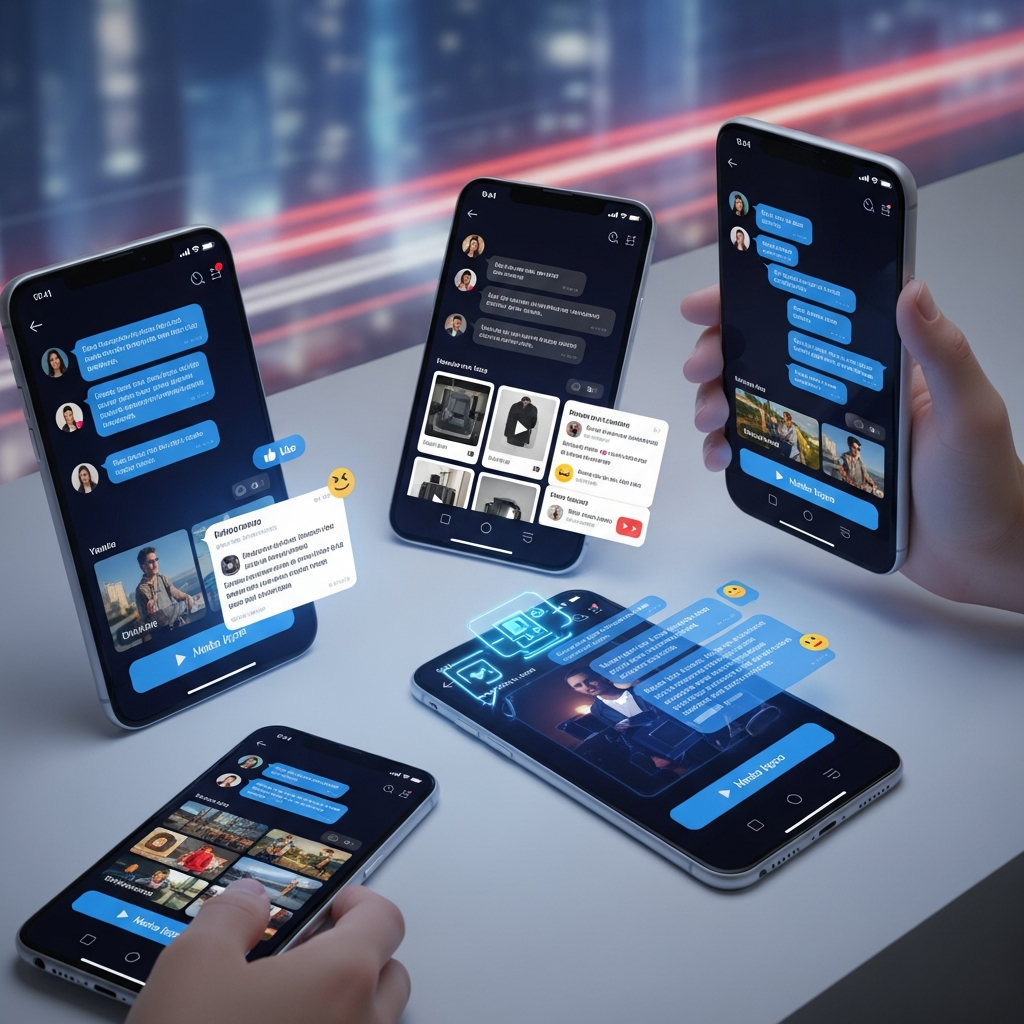 Adopting RCS as your primary messaging channel offers a host of benefits that far surpass what traditional SMS can deliver. Understanding the advantages of RCS vs SMS helps brands make informed decisions about modernizing their messaging strategies.
1. Enhanced Customer Experience
RCS enables brands to craft conversational experiences that feel native, interactive, and visually engaging. By embedding high-resolution product images, carousel offers, and in-message CTAs, customers stay engaged without leaving the chat thread.
Key benefits include:
- Seamless in-message actions like purchases, reservations, and feedback collection
- Rich media content (images, GIFs, videos, carousels) for more appealing communication
- Reduced friction compared to SMS, improving completion rates
Example: A travel company can send a carousel of flight options with “Book Now” buttons directly inside the RCS message, increasing bookings without requiring users to open a separate app.
2. Significantly Higher Engagement Rates
Interactive elements in RCS—such as quick-reply buttons, suggested actions, and embedded links—can boost click-through rates by up to 300% compared to standard SMS links. By guiding users through clear pathways, RCS fosters meaningful engagement and higher conversions.
Common engagement features:
- Buttons: “Confirm Reservation,” “View Menu,” “Apply Discount Code”
- Suggested replies for faster responses
- Inline surveys, polls, and forms
Example: A restaurant sending RCS messages can let customers confirm bookings or order directly from the chat, significantly reducing drop-offs.
3. Comprehensive Data-Driven Insights
Unlike SMS, which only offers basic delivery reports, RCS provides advanced analytics. Marketers can track:
- Read receipts and typing indicators
- Tap-through metrics for buttons and carousels
- Time spent on messages
- Engagement per rich media element
Leveraging these insights allows for message optimization, personalized content, and improved campaign ROI. Over time, these data-driven adjustments make RCS campaigns far more effective than traditional SMS campaigns.
4. Stronger Brand Differentiation
With inboxes crowded with generic SMS alerts, RCS allows your brand to stand out. You can create visually appealing, branded messages that build recognition, trust, and loyalty.
Branding advantages include:
- Verified sender profiles and logos
- Custom colors and themes
- Interactive carousels highlighting products or offers
- Unique messaging experiences that position your brand as innovative
Example: A tech brand can use RCS notifications to showcase new products with clickable CTAs, interactive demos, and branding elements, creating a premium customer experience.
5. Increased Efficiency and Automation
RCS integrates with automation platforms, making workflows easier and more effective:
- Drip campaigns with interactive content
- Appointment reminders and confirmations
- Abandoned cart recovery
- Personalized product recommendations
Automation ensures messages reach the right users at the right time, driving engagement and reducing operational overhead.
6. Future-Proof Communication Channel
As customer expectations evolve, SMS is becoming increasingly limited. RCS enables brands to adopt modern communication features like:
- Chatbots for 24/7 customer support
- In-message payments
- Real-time appointment scheduling
- Personalized promotional campaigns
By embracing RCS vs SMS, brands can stay ahead of the competition and meet the growing demand for interactive, rich messaging experiences.
RCS vs SMS Feature Comparison Table
| Feature | SMS | RCS |
|---|---|---|
| Media Support | Plain text, one URL | Images, GIFs, videos, carousels, audio |
| Character Limit | 160 per message | Practically unlimited |
| Interactive Buttons | No | Yes |
| Analytics & Insights | Delivery only | Read receipts, typing indicators, tap metrics |
| Branding Options | Phone number / short code | Logo, verified profile, custom colors |
| Conversion Potential | Low | High (up to 300% higher engagement) |
| Automation & Chatbots | Limited | Fully supported |
| Customer Experience | Basic | Conversational & immersive |
Summary of Advantages
- Interactive rich media increases engagement and conversion
- Advanced analytics provide actionable insights for marketers
- Personalized experiences boost customer satisfaction
- Stronger brand recognition and differentiation
- Automation-friendly, future-ready communication
By shifting to RCS, marketers gain a modern, scalable, and highly effective messaging channel that drives results far beyond what SMS alone can achieve. Understanding these advantages of RCS vs SMS helps brands craft more engaging, interactive, and revenue-driving campaigns.
Implementing RCS in Your Marketing Strategy

Launching a successful RCS campaign involves careful planning, provider selection, and thorough testing. Follow these steps to ensure a seamless transition from SMS to RCS:
1. Select a Verified RCS Provider
Partner with a CPaaS platform or Business Messaging API provider accredited by carriers. Ensure they support the Universal Profile specification for maximum compatibility. Verify that the provider offers developer documentation, sample templates, and a sandbox environment for testing.
2. Collect Explicit Opt-Ins
Compliance is critical: gather clear consent from subscribers for RCS messaging. Incorporate RCS opt-in options into your signup flows, website forms, and in-app experiences. Maintain records of consent to meet regulatory requirements in various markets.
3. Design Rich Content Assets
Collaborate with designers to create engaging visuals—product carousels, GIFs, and short videos—that maintain clarity on mobile screens. Use 1200×1200 px images for optimal rendering. Write concise, action-oriented copy for headlines and buttons, such as “Shop Now,” “Track Order,” or “Book Appointment.”
4. Map Conversational Flows
Outline user journeys for common scenarios: welcome messages, order confirmations, appointment reminders, and customer surveys. Integrate quick-reply buttons to drive users down specific paths, reducing decision fatigue and streamlining interactions.
5. Test Across Devices and Carriers
Perform QA on multiple Android versions and carrier networks to confirm consistent rendering. Simulate edge cases like network delays and message retries. Document any discrepancies and adjust your assets or provider settings accordingly.
6. Analyze Performance and Optimize
Track delivery rates, read rates, tap-through rates, and conversion data closely. Conduct A/B tests on creative variations, button labels, and send times. Use insights to refine your approach, enhance engagement, and increase overall ROI.
Best Practices and Future Trends in RCS Messaging
To maximize results with RCS vs SMS, implement these proven strategies and stay aware of emerging innovations:
Keep Messages Concise and Clear
Even with rich media capabilities, users appreciate brevity. Limit text overlays on images and use straightforward CTAs to reduce cognitive load and promote quick decision-making.
Personalize at Scale
Leverage dynamic tokens to insert customer names, recent purchase details, or loyalty tier status. Personalized greetings and tailored offers foster stronger connections and higher click-through rates.
Guide Users with Suggested Replies
Use quick-reply buttons to steer users toward the next logical step in their journey—whether that’s “Track Order,” “Reschedule,” or “Contact Support.” This guided approach streamlines the experience and minimizes drop-offs.
Maintain Brand Consistency
Align RCS message layouts, color schemes, and logos with your broader brand guidelines. A verified business profile increases credibility and assures recipients that messages are authentic.
Respect Frequency and Privacy
Set clear caps on message volume—no more than four messages per month—to avoid fatigue. Always provide an easy opt-out link or keyword to uphold privacy standards. For regulatory guidance, refer to the U.S. Federal Communications Commission.
Looking ahead, RCS will evolve with AI-driven chatbots that handle customer inquiries, secure in-chat payment integrations, and sophisticated cross-channel orchestration between messaging, email, and social apps. Brands that embrace RCS today position themselves for these future capabilities, strengthening omnichannel strategies and delivering unmatched customer experiences.
1. What devices support RCS messaging?
RCS is supported on most modern Android devices, especially through Google Messages, which is now the default messaging app in many regions. Businesses can access RCS through Business Messaging APIs. However, iOS support is still limited, so brands should always test RCS availability within their target audience before launching campaigns.
2. How do I migrate existing SMS subscribers to RCS?
To migrate SMS subscribers, start by collecting explicit opt-ins for RCS within your signup forms, app prompts, or website. Use your existing SMS messages to announce the enhanced features available in RCS and include clear instructions or links for opting in. Gradual education boosts conversion.
3. Are there additional costs associated with RCS?
RCS pricing depends on the messaging provider, region, and mobile carriers. Many CPaaS platforms offer usage-based or tiered plans. While RCS can cost more than SMS, higher engagement, richer interactions, and improved conversion rates often justify the additional investment. Always review provider rate cards.
4. Is RCS more secure than traditional SMS?
Yes. RCS includes stronger security features such as sender verification, anti-spoofing protection, and optional end-to-end encryption in supported conversations. These improvements significantly reduce fraud, spam, and phishing risks, making RCS a safer choice for brands and customers compared to standard SMS.
5. Can businesses use rich media inside RCS messages?
Absolutely. RCS supports rich media elements like high-resolution images, videos, carousels, product cards, suggested action buttons, and even payment options. These interactive features create a dynamic user experience that drives far higher engagement than plain-text SMS messages.
6. Does RCS require an internet connection?
Yes. RCS requires either mobile data or Wi-Fi to function, though the data usage is minimal—similar to lightweight messaging apps. If the user’s device or network does not support RCS, messages automatically fall back to SMS, ensuring consistent delivery.
7. Will RCS completely replace SMS in the future?
It’s unlikely that RCS will completely replace SMS soon. SMS remains universal and works on every device, including feature phones. However, RCS is rapidly becoming the standard for richer, more interactive communication, especially in marketing, customer service, and automated workflows.
8. How can brands track performance in RCS?
RCS includes built-in analytics that allow businesses to track message delivery, read receipts, button interactions, carousel clicks, and conversions. Compared to SMS, which provides limited insights, RCS offers real-time engagement data that helps optimize campaigns and measure ROI more accurately. For a deeper dive into measuring SMS performance, see our guide on SMS marketing metrics and KPIs.
9. Is RCS suitable for marketing automation workflows?
Yes. RCS integrates smoothly with marketing automation platforms and CPaaS systems. Brands can automate welcome sequences, product recommendations, appointment reminders, abandoned cart messages, order updates, and customer support flows—all with rich visuals and interactive elements that boost engagement.
10. What happens if a user’s device doesn’t support RCS?
If a device, carrier, or network does not support RCS, the system automatically sends the message via SMS fallback. This ensures that no message goes undelivered and businesses maintain universal reach. The user receives a standard text version, while RCS-capable users enjoy the richer experience.
Conclusion
When evaluating RCS vs SMS, the advantages of rich messaging are clear. RCS empowers brands with interactive media, in-depth analytics, and seamless user journeys that traditional SMS cannot match. By following structured implementation steps—selecting a verified provider, securing opt-ins, designing compelling assets, and testing across devices—you can launch high-impact campaigns that drive engagement and conversions. Adhering to best practices around personalization, message frequency, and brand consistency will further enhance performance and customer satisfaction. With support from industry leaders and regulatory bodies in place now is the ideal moment to incorporate RCS into your marketing strategy. Embrace rich messaging to elevate your brand, delight your audience, and secure a competitive edge in today’s messaging ecosystem.