Understanding SMS Marketing
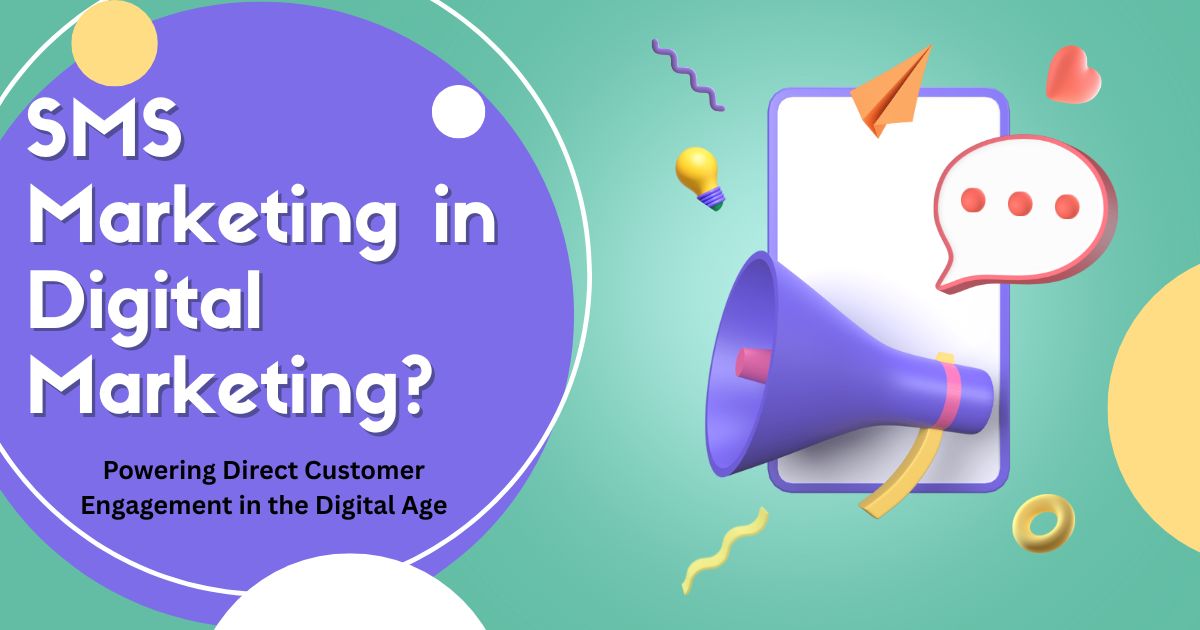
SMS marketing involves sending promotional messages, alerts, and updates directly to customers’ mobile phones via text messages. Unlike other digital marketing channels that compete for attention on crowded platforms, SMS marketing delivers messages straight to users’ most personal device—their smartphone.
This marketing approach operates on an opt-in basis, meaning customers must explicitly consent to receive text messages from your business. This permission-based model creates a highly engaged audience that expects and welcomes your communications.
The simplicity of SMS marketing is part of its power. Messages are limited to 160 characters, forcing marketers to craft concise, impactful content that delivers value quickly. This constraint actually benefits both businesses and consumers—brands must focus on their most important message, while customers receive clear, actionable information without lengthy text blocks.
How SMS Marketing Works in Digital Marketing
SMS marketing integrates seamlessly with other digital marketing channels to create cohesive, multi-touch campaigns. Here’s how it functions within the broader digital marketing ecosystem:
Integration with Email Marketing
SMS and email marketing complement each other perfectly. While email allows for detailed content and rich media, SMS provides immediate, time-sensitive communication. Many businesses use SMS to notify customers about new emails, increasing open rates for both channels. Learn how email and SMS marketing work together.
Social Media Amplification
SMS can drive traffic to social media platforms by alerting followers about new posts, live streams, or exclusive social media content. Conversely, social media can promote SMS sign-ups through posts, stories, and advertisements.
Website Traffic Generation
Text messages excel at driving immediate website traffic. Whether promoting flash sales, new product launches, or blog content, SMS can generate quick spikes in website visits and conversions. Explore our guide to sending marketing SMS for strategies that boost website visits.
Customer Relationship Management
SMS marketing platforms integrate with CRM systems, allowing businesses to segment customers based on purchase history, preferences, and behavior. This data enables highly personalized text message campaigns that resonate with specific audience segments. For deeper insights, see our article on SMS segmentation to boost engagement.
Types of SMS Marketing Campaigns
Promotional Messages
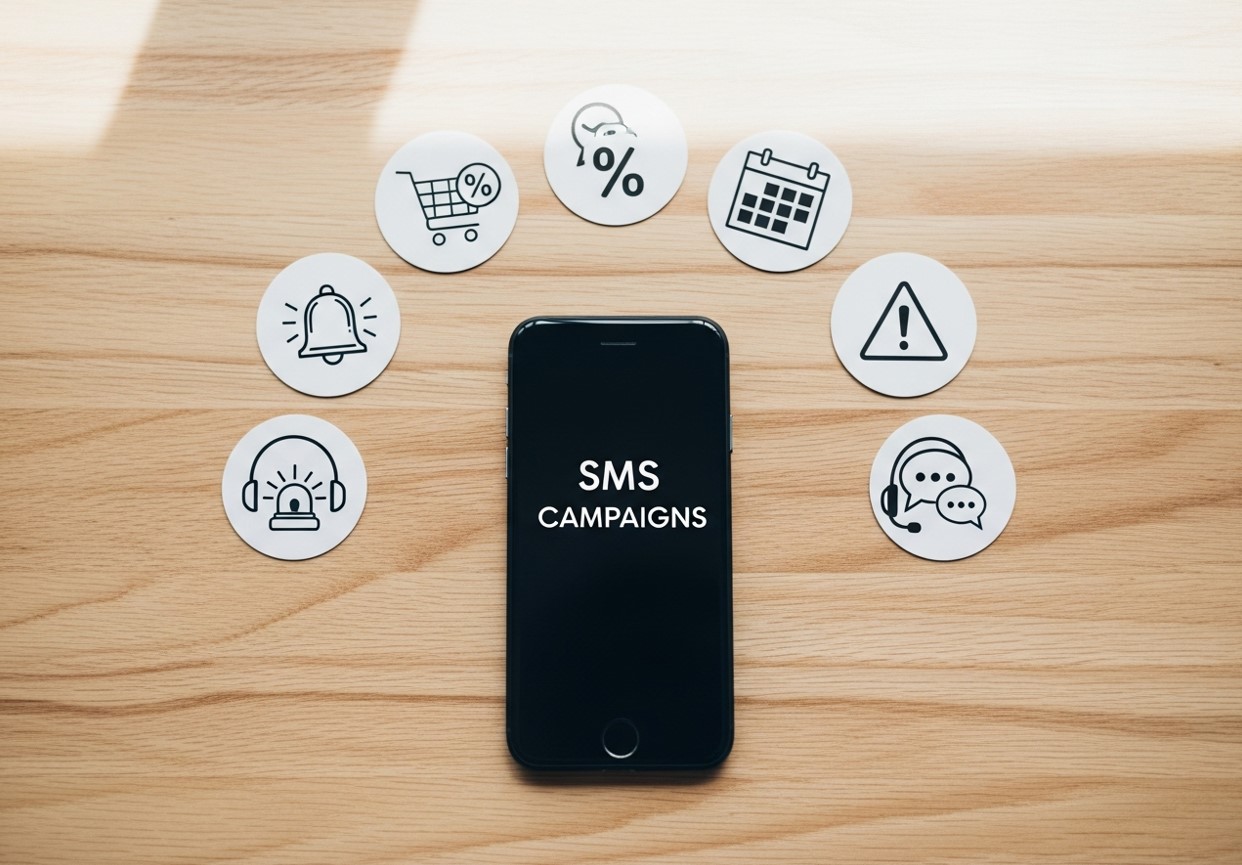
These messages advertise sales, discounts, and special offers. Promotional SMS campaigns work particularly well for time-sensitive deals because they create urgency and drive immediate action.
Transactional Messages
Order confirmations, shipping updates, and delivery notifications fall into this category. While primarily informational, these messages also provide opportunities for cross-selling and customer retention.
Appointment Reminders
Service-based businesses use SMS to reduce no-shows by sending appointment confirmations and reminders. These messages improve operational efficiency and customer satisfaction.
Event Notifications
Businesses can alert customers about upcoming events, webinars, or product launches through SMS. The immediate nature of text messages makes them ideal for last-minute announcements.
Customer Support
SMS enables real-time customer support conversations. Customers can text questions or issues, and businesses can respond quickly with solutions or additional resources.
Benefits of SMS Marketing
Exceptional Open Rates
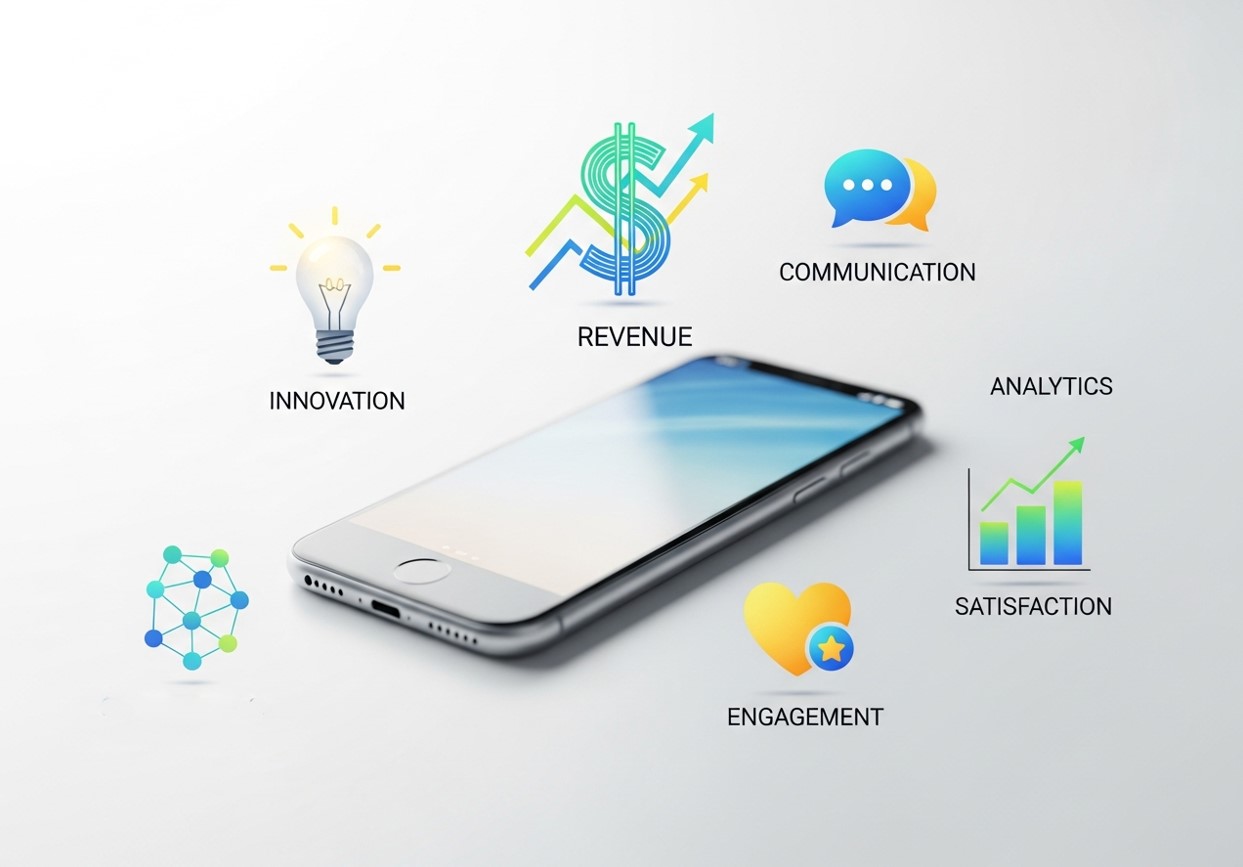
SMS messages have an impressive 98% open rate, far surpassing the average email open rate of around 20%. This high visibility ensures that your message actually reaches your audience, making SMS one of the most reliable ways to communicate with customers. With such strong open rates, marketers can be confident that their campaigns are seen, not lost in crowded inboxes.
Immediate Delivery and Response
Text messages are usually read within three minutes of receipt, giving SMS an unmatched level of immediacy. This makes it ideal for time-sensitive promotions, flash sales, or urgent updates, allowing businesses to engage customers exactly when it matters most.
High Conversion Rates
SMS marketing often drives conversion rates up to 45% higher than email campaigns. Its personal, direct nature encourages recipients to act quickly, whether that’s making a purchase, registering for an event, or redeeming a special offer. Immediate visibility and concise messaging make SMS particularly effective at motivating action.
Cost-Effective Implementation
Compared to traditional advertising methods, SMS marketing is highly cost-effective. The low cost per message allows businesses of all sizes—from small startups to large enterprises—to reach their audience without a heavy budget. This makes SMS a practical choice for maximizing ROI while keeping marketing expenses manageable.
Direct Customer Reach
SMS bypasses platform algorithms, filters, and restrictions that can limit email or social media visibility. Your message goes directly to the customer’s phone, ensuring it’s seen without interference from third-party systems or crowded feeds.
Mobile-First Approach
With more than 50% of web traffic coming from mobile devices, SMS naturally aligns with consumer behavior. It meets audiences where they spend most of their time—their smartphones—making your campaigns more relevant, convenient, and effective.
Best Practices for SMS Marketing Success

Build Permission-Based Lists
Always obtain explicit consent before adding customers to your SMS list. Use clear opt-in language that explains what types of messages they’ll receive and how frequently.
Craft Compelling Content
With only 160 characters available, every word matters. Focus on clear value propositions, strong calls-to-action, and urgency when appropriate.
Time Messages Strategically
Send messages when your audience is most likely to engage. Avoid early morning or late evening texts, and consider time zones for national campaigns.
Personalize When Possible
Use customer names, purchase history, and preferences to create personalized messages that feel relevant and valuable.
Provide Easy Opt-Out Options
Include clear unsubscribe instructions in every message. This builds trust and ensures compliance with regulations.
Test and Optimize
Experiment with different message formats, timing, and calls-to-action to identify what resonates best with your audience.
Common SMS Marketing Mistakes to Avoid
Sending Too Many Messages
Overloading customers with frequent texts leads to opt-outs and brand fatigue. Find the right balance between staying top-of-mind and respecting customer preferences.
Neglecting Segmentation
Sending the same message to all subscribers ignores individual preferences and behaviors. Segment your audience for more relevant, effective campaigns.
Ignoring Compliance Requirements
SMS marketing is subject to various regulations, including TCPA compliance in the United States. Ensure your campaigns meet all legal requirements.
Weak Calls-to-Action
Vague or missing calls-to-action waste the immediate attention that SMS commands. Be specific about what action you want customers to take.
Poor Timing
Sending messages at inappropriate times can damage customer relationships and reduce engagement rates.
Measuring SMS Marketing Success
Key Performance Indicators
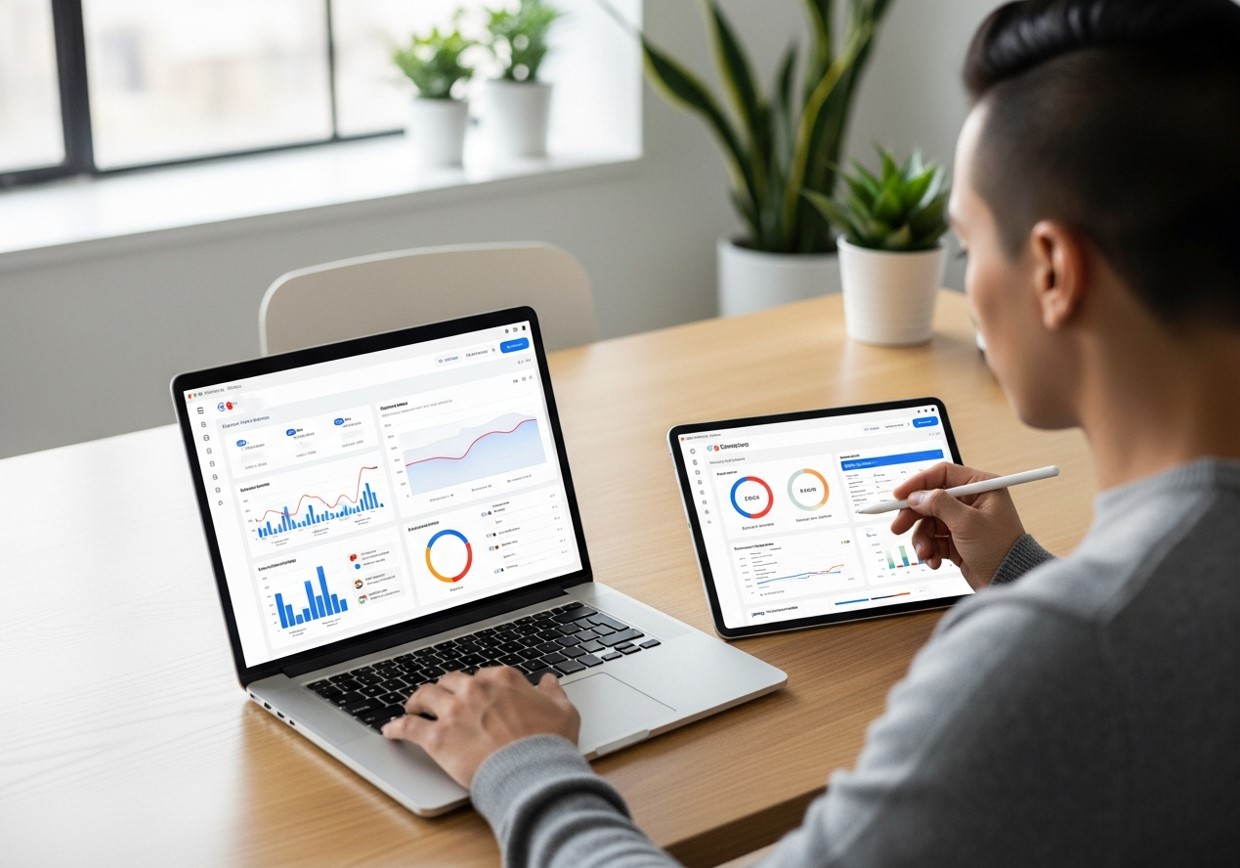
To measure the success of your SMS marketing campaigns, tracking the right key performance indicators (KPIs) is essential. Metrics such as delivery rates, open rates, click-through rates, and conversion rates offer a clear picture of how well your messages are performing. Delivery rates reveal whether your messages are successfully reaching your subscribers, helping identify issues with invalid numbers or carrier problems. Open rates show how compelling your message preview is and whether it captures the recipient’s attention. Click-through rates indicate how effective your call-to-action is in driving traffic to a landing page, website, or offer. Finally, conversion rates measure the ultimate impact—whether the SMS motivates recipients to take the desired action, such as making a purchase, signing up for an event, or redeeming a discount. By consistently monitoring these KPIs, businesses can fine-tune their messaging, timing, and targeting to maximize engagement and campaign effectiveness.
Revenue Attribution
Understanding the financial impact of your SMS campaigns is critical for calculating return on investment (ROI). Revenue attribution involves tracking the sales and revenue generated directly from SMS messages. Many SMS marketing platforms provide built-in analytics that link conversions back to specific campaigns, enabling marketers to see which messages drive the most sales. This analysis helps identify high-performing campaigns, optimize messaging for better results, and justify budget allocation. Beyond direct sales, revenue attribution can also include cross-channel influence, where SMS campaigns prompt customers to engage with email, social media, or website promotions, ultimately leading to a purchase. By accurately tracking revenue, businesses can measure profitability, prioritize successful strategies, and scale campaigns that deliver measurable results.
List Growth and Churn
A growing SMS subscriber list indicates the appeal and relevance of your marketing efforts, while churn—subscribers opting out—signals potential issues in content or frequency. Monitoring list growth and churn rates provides insight into how effectively your campaigns attract and retain subscribers. Rapid list growth suggests your opt-in incentives and promotion methods are working, while a high churn rate could indicate that messages are too frequent, irrelevant, or poorly timed. Segmentation can help reduce churn by sending more targeted content that aligns with subscriber interests and behaviors. Tracking these metrics over time allows businesses to adjust strategies proactively, maintain audience engagement, and foster a loyal subscriber base that values your messages.
Customer Lifetime Value
SMS marketing doesn’t just impact immediate sales—it can significantly influence customer lifetime value (CLV). CLV measures the total revenue a business can expect from a customer over the course of their relationship. Engaged SMS subscribers are more likely to make repeat purchases, take advantage of special offers, and participate in loyalty programs. By sending personalized, timely, and relevant messages, businesses nurture stronger relationships, leading to higher retention, increased spend, and long-term profitability. Tracking how SMS campaigns contribute to CLV allows marketers to quantify the long-term benefits of the channel and demonstrate its strategic value within the broader marketing mix.
Getting Started with SMS Marketing
Choose the Right Platform
Select an SMS marketing platform that integrates with your existing marketing tools and provides the features you need. Consider factors like pricing, automation capabilities, and customer support.
Develop a Content Strategy
Plan your message calendar, content themes, and campaign objectives. Consistency in messaging helps build brand recognition and customer expectations.
Start Small and Scale
Begin with a small subscriber list and simple campaigns. As you gain experience and see results, expand your efforts and experiment with more advanced features.
Monitor and Adjust
Regularly review campaign performance and adjust your strategy based on data and customer feedback. SMS marketing success requires ongoing optimization.
The Future of SMS Marketing
SMS marketing continues evolving with new technologies and changing consumer behaviors. Rich Communication Services (RCS) promises to enhance text messaging with images, videos, and interactive elements. Artificial intelligence will enable more sophisticated personalization and automation.
As privacy regulations become stricter and third-party cookies disappear, first-party data collection through SMS becomes even more valuable. Businesses that build strong SMS marketing programs now will have significant advantages in the evolving digital landscape.
SMS marketing offers unique advantages that make it an essential component of comprehensive digital marketing strategies. Its high open rates, immediate delivery, and cost-effectiveness provide businesses with direct access to engaged customers.
Success requires strategic planning, consistent execution, and ongoing optimization. Start by building permission-based lists, crafting valuable content, and measuring results carefully. As you develop expertise and see positive results, expand your SMS marketing efforts to unlock its full potential for your business.
SMS marketing plays a powerful role in digital strategies across industries. For example, explore how digital marketing services tailored to financial firms incorporate SMS campaigns to build trust, provide timely updates, and maintain client engagement.
Frequently Asked Questions (FAQ)
How many SMS messages should I send per month?
It depends on your audience and industry, but the key is balance. Over-messaging can lead to opt-outs, while too few messages may result in missed opportunities. Typically, 2–4 messages per month is a good starting point for most businesses.
Are SMS campaigns effective for B2B marketing?
Yes. While B2B marketing often relies on email and LinkedIn, SMS can be effective for urgent updates, reminders, or personalized offers to decision-makers who prefer fast communication.
What is the difference between SMS and RCS marketing?
RCS (Rich Communication Services) enhances traditional SMS with images, videos, buttons, and interactive features, making campaigns more engaging. SMS remains the baseline for broad reach and simplicity.
Can SMS marketing integrate with other channels?
Absolutely. SMS can complement email, social media, CRM, mobile apps, and even offline campaigns, creating cohesive omnichannel experiences that boost engagement.
How do I measure the ROI of SMS marketing?
Track key metrics such as delivery rates, open rates, click-through rates, conversions, revenue generated, and subscriber retention. Combining these insights with customer lifetime value provides a clear picture of ROI.
What industries benefit most from SMS marketing?
Retail, healthcare, finance, hospitality, and education all see strong results due to SMS’s immediacy and personalization. However, any industry that values direct, timely communication can benefit.