SMS marketing has evolved into a personalized, interactive channel that drives engagement, loyalty, and sales. With AI, automation, and rich media, businesses can connect with customers in meaningful ways and build long-term relationships.
Text messaging isn’t just for personal conversations anymore. Businesses are discovering the incredible power of SMS marketing, with open rates soaring above 98% compared to email’s modest 20%. As we move deeper into 2025, SMS marketing continues to evolve at breakneck speed, driven by changing consumer behaviors and technological advances.
The landscape has shifted dramatically from simple promotional texts to sophisticated, personalized experiences that customers actually welcome. Companies that master these emerging trends will find themselves with a significant competitive advantage, while those who ignore them risk being left behind in an increasingly crowded digital marketplace.
Understanding where SMS marketing is headed isn’t just useful—it’s essential for any business looking to connect with customers in meaningful ways. Let’s explore the key trends that are reshaping how brands communicate through text messages.
AI-Powered Personalization Takes Center Stage

Artificial intelligence has transformed SMS marketing from a one-size-fits-all approach to deeply personalized experiences. Modern AI systems analyze customer behavior patterns, purchase history, and engagement data to craft messages that feel individually tailored.
Smart algorithms now determine the optimal send time for each recipient, predict which products they’re most likely to purchase, and even adjust message tone based on previous interactions. This level of personalization has led to engagement rates that consistently outperform traditional mass messaging campaigns.
The technology goes beyond simple name insertion. AI can identify customers who are at risk of churning and automatically trigger retention campaigns with personalized offers. It can also recognize buying patterns and suggest complementary products at precisely the right moment.
Conversational Commerce Drives Sales

Two-way SMS conversations have revolutionized the customer journey. Instead of pushing customers to websites or apps, businesses now complete entire transactions within text message threads. This conversational approach feels natural and removes friction from the buying process (How SMS Marketing Works: A Complete Guide for Businesses).
Customer service through SMS has become equally sophisticated. Support teams handle complex inquiries, process returns, and resolve issues entirely through text messages. Response times have dropped significantly, and customer satisfaction scores have improved as a result.
The integration with chatbots has made these conversations scalable. Automated systems handle routine inquiries while seamlessly transferring complex issues to human agents when needed. This hybrid approach ensures customers receive prompt responses without sacrificing quality.
Interactive Messages Boost Engagement
Static text messages are giving way to interactive experiences that engage customers in entirely new ways. Quick reply buttons allow recipients to respond with a single tap, dramatically increasing response rates and making participation effortless.
Multimedia messaging has expanded beyond simple images. Businesses now send interactive videos, product carousels, and even augmented reality experiences through SMS. These rich media formats capture attention and convey information more effectively than text alone, often paired with emotional appeal marketing to skyrocket success.
Gamification elements like polls, quizzes, and challenges have found their way into SMS campaigns. These interactive components not only boost engagement but also provide valuable data about customer preferences and behaviors.
Privacy-First Approach Becomes Standard
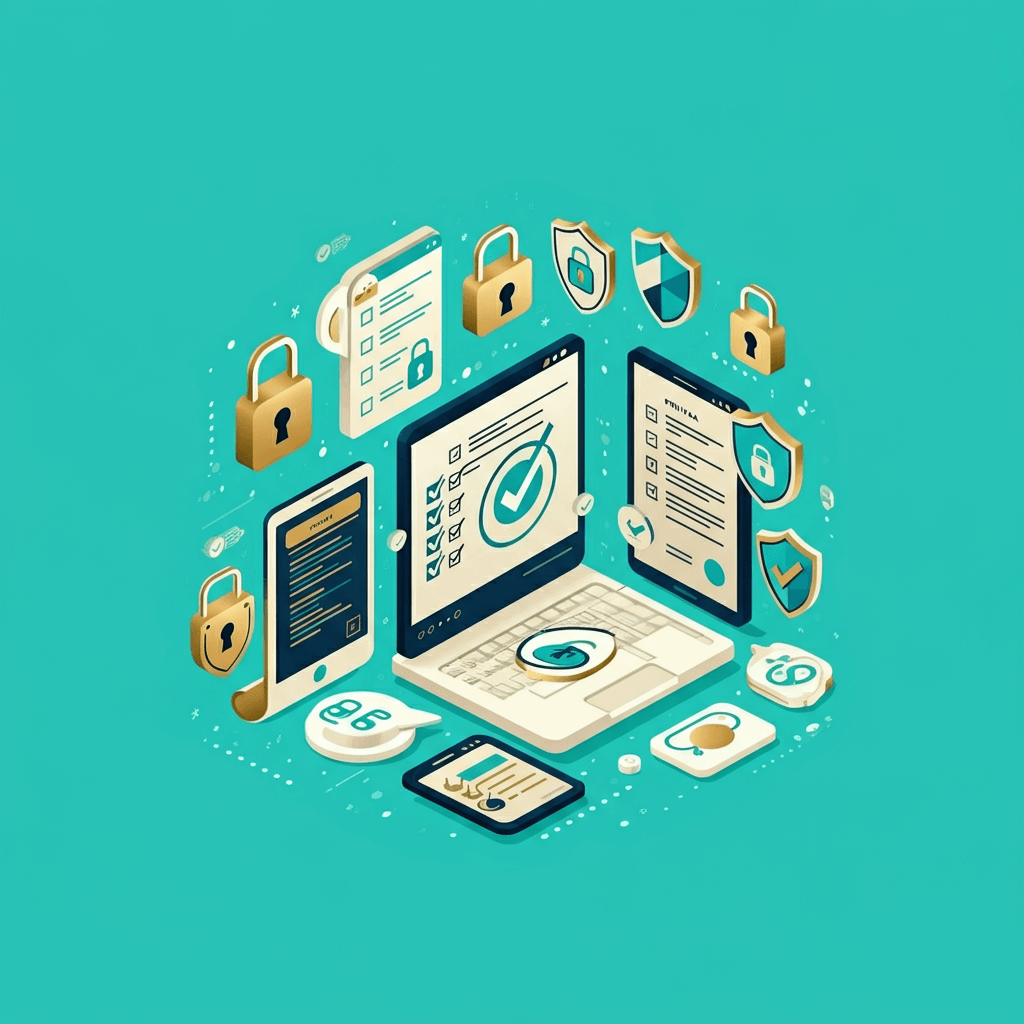
Consumer privacy concerns have pushed SMS marketing toward more transparent and ethical practices. Double opt-in processes are becoming the norm, ensuring customers genuinely want to receive messages. Clear unsubscribe mechanisms and honest frequency expectations build trust with subscribers (Is SMS Marketing Legal: Your Complete Guide to Text Message Laws).
Data minimization practices have gained traction. Companies collect only the information necessary for their SMS campaigns and implement strong security measures to protect customer data. This approach not only complies with regulations but also demonstrates respect for customer privacy.
Consent management has evolved into sophisticated systems that track permissions across different message types and campaigns. Customers can now specify exactly what kinds of messages they want to receive and how often they want to hear from brands.
Integration With Omnichannel Strategies
SMS marketing no longer operates in isolation. Successful campaigns now coordinate with email, social media, and in-app messaging to create cohesive customer experiences. Messages reference interactions across different channels, creating a seamless journey.
Customer data synchronization ensures that SMS campaigns reflect the complete customer relationship. A customer who recently made a purchase online won’t receive promotional messages for the same product via text. Instead, they might receive care instructions or suggestions for complementary items.
Cross-channel analytics provide a complete picture of campaign performance. Businesses can track how SMS messages influence purchases made through other channels and adjust their strategies accordingly.
Rich Communication Services (RCS) Gains Momentum
RCS messaging is transforming SMS capabilities with features previously available only in dedicated messaging apps. Brand verification badges build trust and reduce concerns about spam or fraud. Rich media support allows for high-quality images, videos, and interactive elements within messages (What is SMS Marketing Software: A Complete Guide).
Read receipts and typing indicators create more engaging conversations between brands and customers. These features make business texting feel more personal and immediate, similar to conversations with friends and family.
The technology enables more sophisticated customer experiences, including appointment scheduling, product browsing, and customer support—all within the native messaging app. This eliminates the need for customers to download additional apps or visit websites.
Automation and Trigger-Based Campaigns
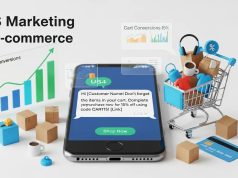
Behavioral triggers have become incredibly sophisticated. Abandoned cart messages now wait for the optimal moment to re-engage customers, taking into account factors like time zones, past behavior, and current promotions. Birthday and anniversary messages are automatically personalized with relevant offers.
Lifecycle marketing through SMS has matured significantly. New customers receive welcome series that gradually introduce them to products and services. Long-term customers get exclusive previews and loyalty rewards. Each message serves a specific purpose in nurturing the customer relationship.
Event-driven messaging responds to real-world situations. Weather-based campaigns promote relevant products when conditions are right. Local event notifications help businesses capitalize on nearby activities and drive foot traffic.
Enhanced Analytics and Attribution
Modern SMS platforms provide detailed insights into customer journeys. Businesses can track which messages lead to website visits, app downloads, and purchases. This granular data helps optimize campaigns and prove ROI to stakeholders.
A/B testing has become more sophisticated with multivariate testing capabilities. Marketers can test different send times, message lengths, call-to-action phrases, and personalization levels simultaneously to find the optimal combination.
Customer lifetime value attribution helps businesses understand the long-term impact of their SMS marketing efforts. This perspective shifts focus from immediate conversions to building lasting customer relationships.
Hyperlocal Marketing Through SMS
Businesses are increasingly leveraging location-based strategies to drive foot traffic and local engagement. Using geofencing and location permissions, companies can send highly relevant messages to customers when they are near a store, event, or service area.
Hyperlocal campaigns can inform customers of flash sales, store-specific promotions, or community events. The immediacy of SMS ensures that these messages reach the audience at the perfect moment, dramatically increasing the likelihood of conversions.
SMS as a Crisis Communication Tool
SMS is not only a marketing channel but also a critical communication tool in urgent scenarios. Businesses can notify customers of service disruptions, product recalls, or emergency updates instantly.
The open rates and immediacy of text messages make SMS far superior to email or social media for time-sensitive information. When customers trust that your messages are timely and relevant, it reinforces brand credibility and strengthens long-term relationships.
Hyperlocal Marketing Through SMS
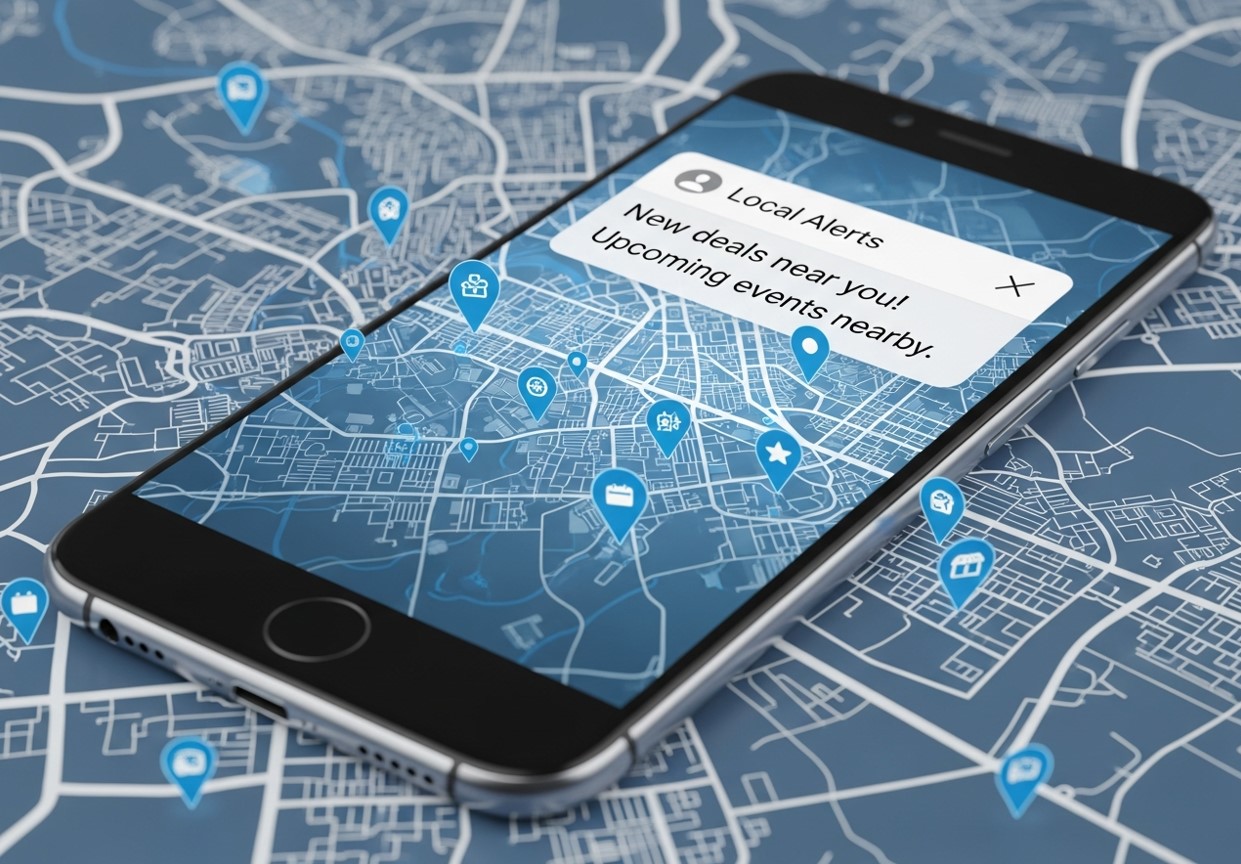
Businesses are increasingly leveraging location-based strategies to drive foot traffic and local engagement. Using geofencing and location permissions, companies can send highly relevant messages to customers when they are near a store, event, or service area.
Hyperlocal campaigns can inform customers of flash sales, store-specific promotions, or community events. The immediacy of SMS ensures that these messages reach the audience at the perfect moment, dramatically increasing the likelihood of conversions.
Measuring Long-Term Impact Beyond Immediate Sales
While SMS campaigns are often judged on immediate responses, their long-term value lies in nurturing ongoing relationships. Metrics like customer lifetime value (CLV), retention rates, and referral generation provide a more holistic view of campaign success.
By tracking engagement across multiple interactions, businesses can understand how SMS influences broader behaviors, from repeat purchases to brand advocacy. This approach positions SMS not merely as a sales tool but as a platform for sustained customer connection.
Behavioral Segmentation for Precision Marketing
Modern SMS marketing relies heavily on behavioral segmentation, which groups customers based on their actions rather than demographics alone. By analyzing purchase history, browsing behavior, engagement patterns, and even app usage, businesses can send messages that feel hyper-relevant to each individual.
For example, a retailer can target customers who frequently purchase athletic gear with exclusive deals on new sports products, while sending fashion-forward promotions to a different segment. Behavioral segmentation reduces wasted messages, increases engagement, and strengthens the overall customer experience.
Ethical Data Practices and Customer Trust
With growing privacy concerns, ethical handling of customer data is paramount. Brands that prioritize transparency, limit data collection to essentials, and provide clear opt-in/opt-out options earn long-term trust.
Implementing strong security measures, including encryption and secure storage, not only ensures compliance with regulations like GDPR and CCPA but also positions SMS as a trustworthy communication channel. Customers are more likely to engage when they feel their personal information is respected.
Future Outlook: Conversational AI and Rich Media Expansion
The next wave of SMS innovation lies in conversational AI and advanced media capabilities. AI chatbots will handle more sophisticated interactions, guiding customers through full purchase journeys, troubleshooting product issues, and even offering real-time recommendations.
Rich media—including AR experiences, shoppable videos, and embedded product catalogs—will turn SMS into a fully interactive experience. As these technologies mature, SMS will increasingly rival apps and websites as the central hub for customer engagement.
SMS for Customer Feedback and Insights
SMS is an effective tool for gathering real-time feedback from customers. Quick surveys, satisfaction ratings, and post-purchase polls allow businesses to collect actionable insights directly from their audience.
Unlike email surveys, SMS surveys see higher response rates due to convenience and immediacy. Businesses can use this feedback to refine products, adjust marketing strategies, and improve service quality. Moreover, customers feel valued when their opinions are actively sought, strengthening loyalty.
SMS-Driven Event Promotion
SMS is increasingly used to promote events and drive attendance, whether for webinars, product launches, in-store events, or local activities. Because text messages are read almost immediately, they are ideal for sending reminders, exclusive invitations, or last-minute updates.
For example, a brand can notify subscribers about an upcoming webinar, share a personalized registration link, and then follow up with a reminder the day of the event. This immediacy increases participation rates and ensures that events reach an engaged audience. Integrating SMS with calendar links or QR codes can further streamline registration and attendance tracking.
The Future of Customer Connection
SMS marketing has evolved from a simple promotional channel into a sophisticated customer relationship platform. The trends shaping 2025 point toward more personalized, interactive, and respectful communication between brands and customers.
Businesses that embrace these developments will find themselves better positioned to build meaningful relationships with their audience. The key lies in balancing technological capabilities with genuine customer value, ensuring that every message serves a purpose beyond just driving sales.
The future belongs to companies that view SMS not as an interruption but as an invitation to connect. Those who master this art will discover that text messaging becomes one of their most powerful tools for customer engagement and business growth.
Frequently Asked Questions (FAQ)
Is SMS marketing still effective with younger audiences?
Yes. While younger demographics often use messaging apps, they still engage with SMS when messages are personalized, interactive, and relevant. Integrating SMS with social and app campaigns ensures brands reach these audiences effectively.
How can I avoid being marked as spam?
Adhering to consent-based messaging, clearly stating frequency expectations, and sending content that adds value reduces the risk of spam complaints. RCS verification badges also help build trust with recipients.
How often should businesses send SMS messages?
Frequency depends on customer preferences, engagement history, and campaign goals. Over-messaging can lead to opt-outs, so leveraging AI to tailor send times and frequency is crucial.
Can SMS marketing work for small businesses with limited budgets?
Absolutely. SMS campaigns are cost-effective, scalable, and can generate high ROI even for small businesses. Automation, AI personalization, and targeted campaigns help maximize impact without large expenditures.
What are the key metrics to track for SMS campaigns?
Open rates, click-through rates, conversion rates, engagement rates, opt-out rates, and overall ROI are essential. Advanced platforms also track CLV, referral activity, and cross-channel impact.
How does RCS differ from traditional SMS?
RCS supports rich media, read receipts, typing indicators, and verified branding, creating a more interactive and engaging experience compared to standard SMS. It essentially modernizes texting to compete with messaging apps.