SMS marketing templates simplify communication, enhance personalization, improve engagement, reduce costs, and integrate with email strategies. Leveraging psychological triggers, timing, segmentation, and trends ensures messages convert effectively, maximizing ROI and sustaining long-term audience connections.
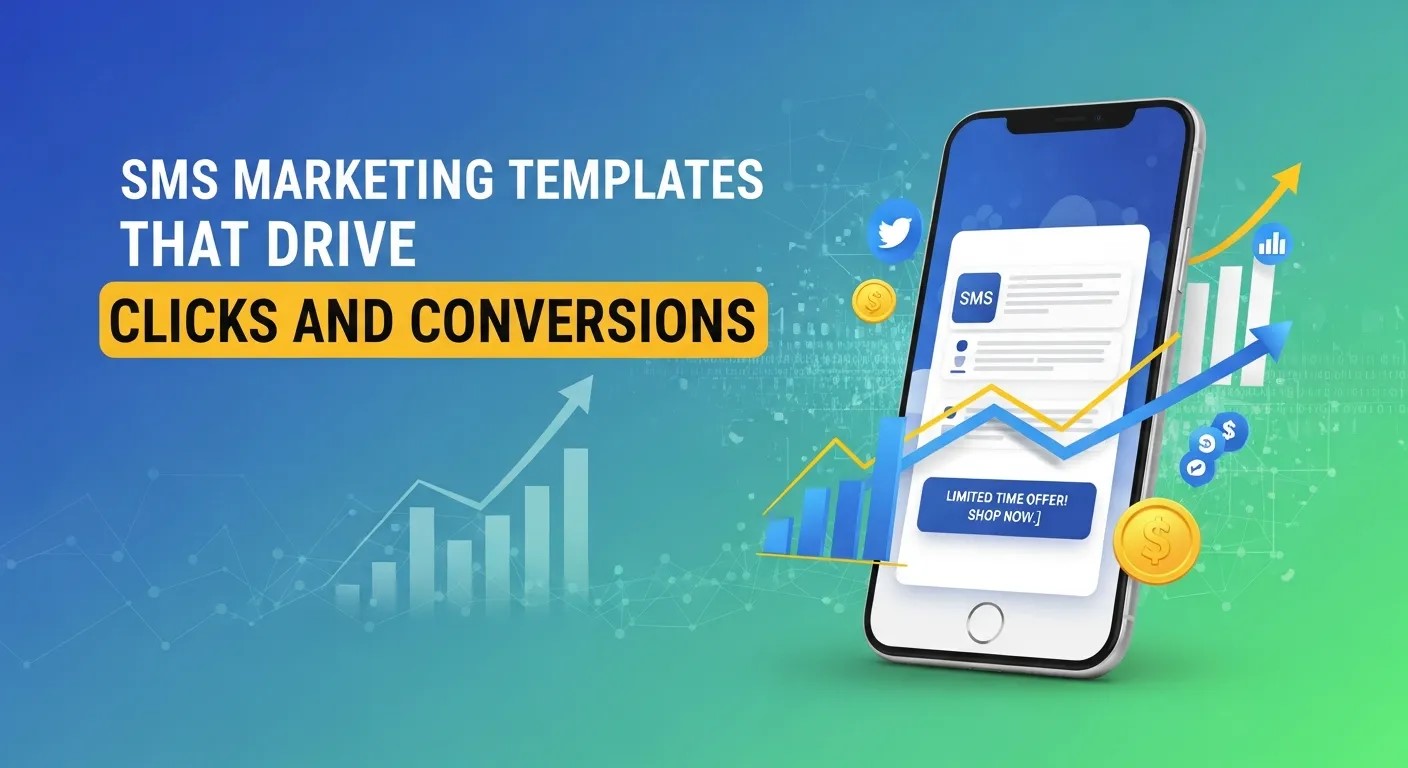
SMS Marketing Templates That Drive Clicks and Conversions
In the dynamic world of digital marketing, capturing consumer attention is increasingly challenging. Businesses are constantly searching for ways to create meaningful connections with their audience, and SMS marketing has emerged as a highly effective strategy. By using carefully crafted messages, companies can drive engagement, increase click-through rates, and ultimately boost conversions. One of the most critical aspects of successful campaigns is having reliable SMS marketing templates that are both strategic and persuasive.
Understanding the Power of SMS Marketing
SMS marketing stands out for its immediacy and high open rates compared to other communication channels. Unlike emails that may languish in inboxes, text messages are typically read within minutes of receipt. This immediacy makes SMS a perfect medium for time-sensitive promotions, personalized offers, and transactional updates. For marketers, leveraging this power effectively often begins with well-designed SMS marketing templates that can be customized to resonate with their audience.
Businesses also need to stay current with evolving SMS marketing trends. These trends inform not only the content of messages but also how they are timed, targeted, and integrated with other channels. For instance, the rise of AI-driven personalization allows marketers to tailor messages in ways that significantly increase the likelihood of engagement. Using templates that are adaptable to these trends ensures campaigns remain relevant and effective.
Core Components of Effective SMS Marketing Templates
When designing SMS marketing templates, certain psychological and structural principles drive results. These include clarity, conciseness, personalization, urgency, and value proposition. Each template should communicate the offer quickly while creating an emotional or rational incentive for the recipient to take action.
Clear and Direct Messaging
The text must be easily understood at a glance. Avoid jargon or excessive information. For example, a template for a flash sale might read, “Get 20% off today only! Use code FLASH20 at checkout.” This communicates the benefit, urgency, and action step clearly.
Personalization
Messages that reference a recipient’s name, past purchases, or preferences tend to perform better. Modern tools allow dynamic insertion of personal details, ensuring that templates can be reused while remaining highly relevant.
Strong Call-to-Action
A well-defined CTA is essential. Whether directing users to shop, redeem a coupon, or register for an event, the action should be unmistakable. Phrases like “Shop Now,” “Claim Your Offer,” or “Book Your Spot” create a sense of direction and urgency.
Mobile-Optimized Design
Given that all SMS messages are consumed on mobile devices, templates should be concise and readable on small screens. This includes avoiding long URLs and ensuring that the key message appears early in the text.
Categories of SMS Marketing Templates
Effective templates vary depending on campaign goals. Below are common categories:
Promotional Templates
These are designed to drive immediate sales or engagement. They often include limited-time offers, discounts, or exclusive deals. Example template: “Hi [First Name], enjoy 15% off our new collection! Valid until midnight. Shop now: [link]”
Transactional Templates
These messages provide confirmation of purchases, shipping updates, or account notifications. They maintain brand trust and engagement. Example template: “Your order #[Order Number] has shipped and will arrive by [Date]. Track it here: [link]”
Event or Appointment Templates
Ideal for reminders, confirmations, and follow-ups. Example: “Reminder: Your appointment with [Service Provider] is on [Date] at [Time]. Reply YES to confirm.”
Engagement and Retargeting Templates
These messages are used to re-engage inactive users or target specific behaviors. Using SMS retargeting, marketers can send reminders for abandoned carts or personalized recommendations. Example template: “Hey [First Name], you left [Product] in your cart. Complete your purchase today and get 10% off: [link]”
Educational or Content Templates
Companies sharing tips, guides, or updates can also use SMS to nurture leads. Example: “Discover our top 5 skincare tips for glowing skin. Read now: [link]”
Integrating SMS with Email and SMS Marketing Strategies
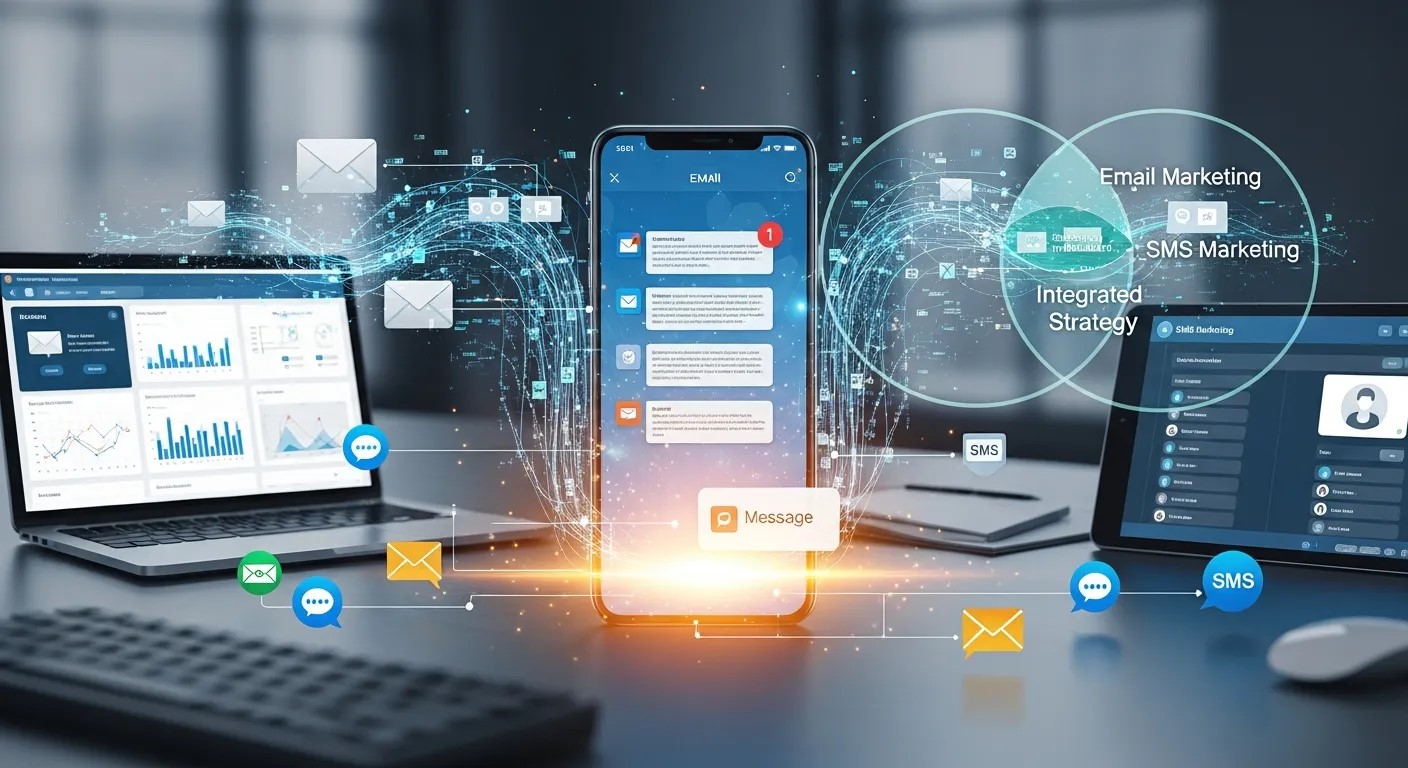
To maximize impact, SMS marketing should not operate in isolation. Integrating SMS with email campaigns allows brands to reinforce messaging across multiple touchpoints. A well-coordinated email and SMS marketing strategy can increase conversion rates by creating a cohesive journey for the customer. For instance, a promotional email can be followed by an SMS reminder for the same offer, capturing attention from both channels without being intrusive.
Timing and Frequency Best Practices
Even the most persuasive SMS marketing templates fail if sent at the wrong time. Optimal delivery times vary by industry and audience behavior, but studies indicate that mid-morning and early evening often yield higher engagement rates. Frequency should balance keeping your brand top-of-mind without causing fatigue; 2-4 messages per week is generally effective for most businesses. Testing different days and times helps identify the sweet spot for each segment.
Using SMS Marketing Templates to Reduce Costs
Creating reusable templates can also help manage SMS marketing cost. Rather than drafting new messages for each campaign, templates allow for efficient production while maintaining consistency. Additionally, segmenting your audience ensures that messages are sent only to relevant recipients, reducing wasted spend and improving ROI.
Psychological Triggers in SMS Marketing
To drive clicks and conversions, marketers can leverage psychological marketing triggers within templates:
Scarcity and Urgency: Highlight limited-time offers or stock levels.
Social Proof: Mention popular products or customer testimonials.
Reciprocity: Offer a small gift or discount to encourage engagement.
Curiosity: Use intriguing messaging that encourages users to click for more information.
These triggers should be embedded naturally into templates, ensuring that messages feel compelling rather than manipulative.
Segmenting Audiences for Maximum Effect
Segmenting recipients based on behavior, demographics, or purchase history allows for more precise targeting. Tailored templates can be sent to different audience segments, enhancing relevance and response rates. For example, high-value customers may receive VIP offers, while new subscribers might get a welcome series.
Leveraging SMS Marketing Trends
Staying informed about SMS marketing trends is crucial for crafting templates that perform well. Emerging trends include AI-generated personalized messaging, integration with conversational commerce, and multimedia SMS with images or videos. Templates should be adaptable to these innovations, ensuring that messages resonate with audiences in a modern digital context. Additionally, monitoring trends in consumer behavior can help predict which types of templates will achieve higher engagement.
Measuring Template Effectiveness
To refine SMS marketing templates, businesses should continuously monitor performance metrics such as open rates, click-through rates, conversion rates, and ROI. A/B testing variations of templates allows marketers to identify which phrasing, timing, and CTA strategies yield the best results. Over time, accumulated data helps improve future template iterations and informs new campaign strategies.
Examples of High-Performing SMS Marketing Templates
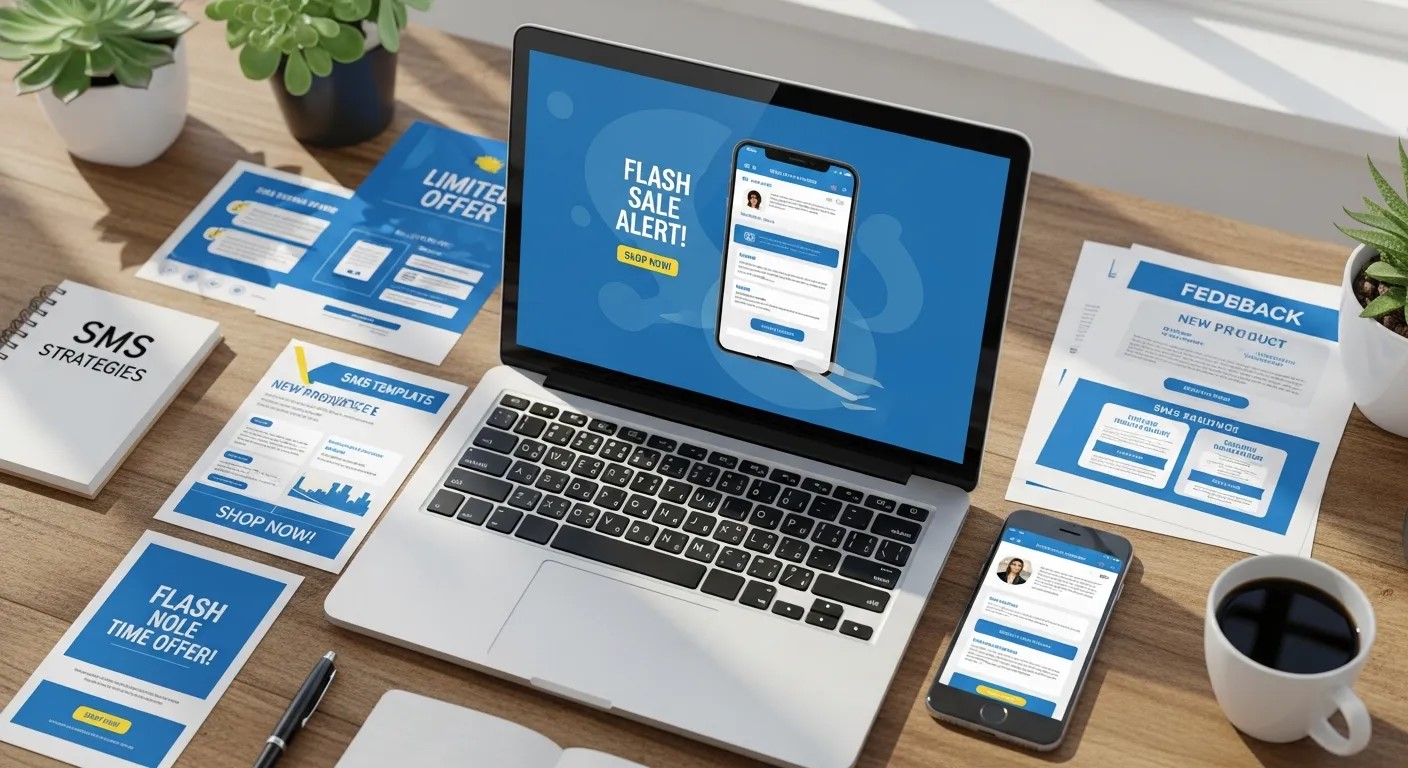
Here are additional real-world examples:
Flash Sale Template: “Hurry! 50% off ends at midnight. Grab your favorites now: [link]”
Birthday Offer Template: “Happy Birthday, [First Name]! Celebrate with a 20% off coupon: [link]”
Feedback Request Template: “Thanks for your recent purchase! We’d love your feedback: [link]”
VIP Customer Template: “Exclusive offer for our VIPs: Buy 2, get 1 free today only. Shop now: [link]”
Best Practices for SMS Retargeting
SMS retargeting focuses on reconnecting with users who have previously interacted with your brand but did not complete a desired action. Templates for retargeting should:
- Highlight the product or service left behind.
- Include a clear CTA.
- Offer incentives such as discounts or free shipping.
- Be time-sensitive to create urgency.
Properly implemented SMS retargeting can significantly boost conversion rates and reduce cart abandonment.
Mobile-First Considerations for Templates
Given that SMS is inherently mobile, templates should:
- Keep messages under 160 characters for optimal delivery.
- Include short, trackable links.
- Use simple language and formatting.
- Ensure compliance with local regulations regarding messaging.
Combining SMS Marketing With Analytics
Analytics play a critical role in improving the effectiveness of templates. By tracking engagement patterns, businesses can adjust messaging frequency, content, and segmentation. Over time, this leads to more sophisticated and high-performing campaigns. Predictive analytics can also anticipate user behavior, enabling proactive template adjustments.
Industry-Specific Template Recommendations
Different industries benefit from tailored SMS marketing templates:
- Retail: Promotions, flash sales, restock alerts.
- Hospitality: Reservation confirmations, special offers.
- Healthcare: Appointment reminders, wellness tips.
- Education: Class updates, event notifications.
- E-commerce: Abandoned cart reminders, personalized product suggestions.
Cost Efficiency With SMS Marketing Templates
One of the advantages of templates is reducing overall SMS marketing cost. Templates save time, minimize errors, and standardize messaging. When combined with segmentation and automation, businesses can achieve higher ROI while keeping expenses under control. Additionally, automating the deployment of templates ensures consistent communication without manual labor.
Integrating Multimedia Elements in Templates
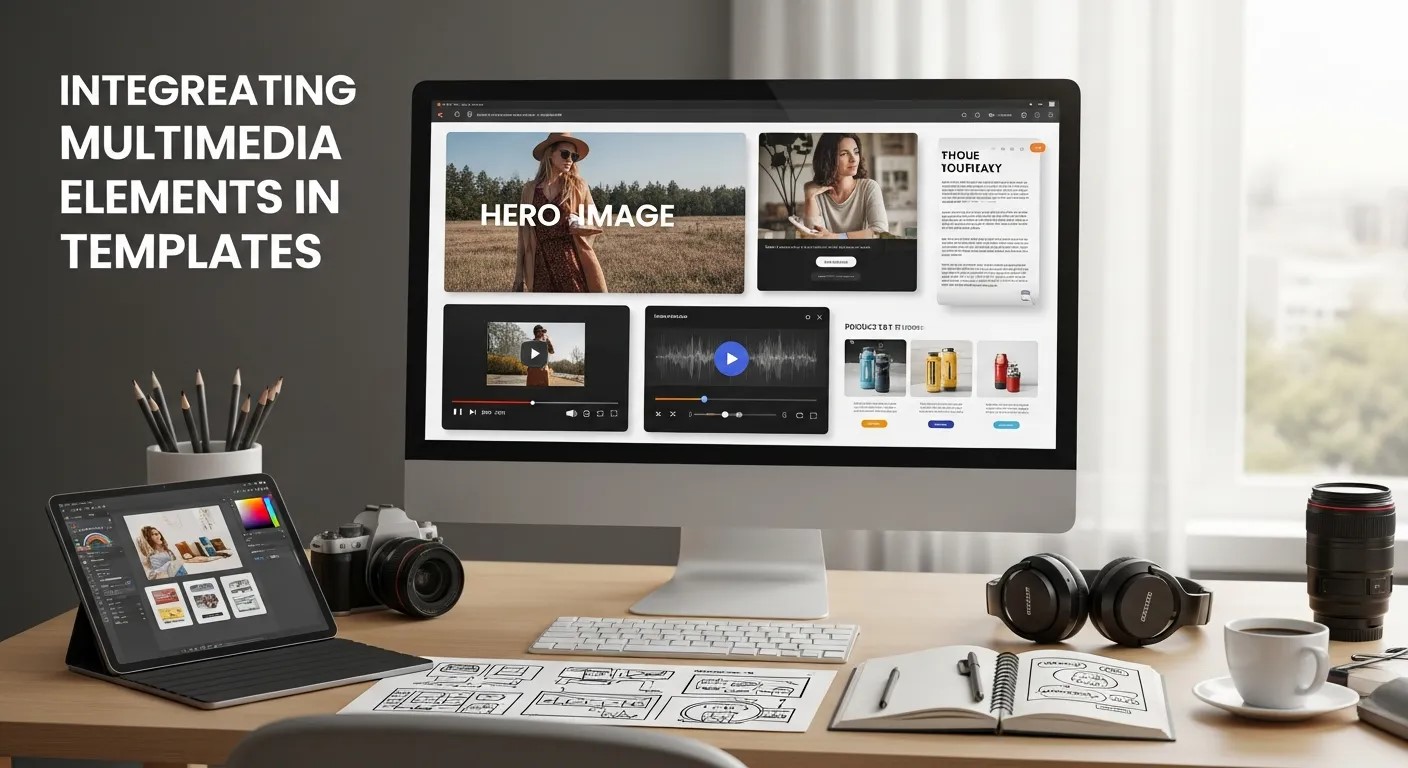
While SMS is traditionally text-only, modern MMS and rich communication services allow images, GIFs, and video links. Templates incorporating these elements can enhance engagement, especially for product launches or visually-driven promotions. Careful testing is required to ensure that multimedia content does not overwhelm users or increase delivery costs unnecessarily.
Legal and Compliance Considerations
All SMS marketing templates must comply with local regulations, such as obtaining consent before sending messages and providing an opt-out option. Ensuring compliance not only avoids penalties but also builds trust with the audience. Templates should always include an easy opt-out mechanism and respect privacy preferences.
Optimizing Call-to-Action Placement
Strategic placement of the CTA in the template is crucial. Typically, placing the action step toward the beginning or middle ensures visibility, especially in longer messages. Clear and concise CTAs improve conversion rates significantly. Rotating CTA phrasing and testing its positioning can lead to improved engagement.
Personalization Strategies in Templates
Advanced personalization goes beyond inserting the recipient’s name. It includes referencing past interactions, purchase history, or location. Templates should allow for dynamic content that adapts to individual preferences, increasing engagement and perceived value. AI-driven personalization can further enhance relevance, allowing brands to deliver tailored messaging at scale.
Automation and Template Scheduling
Automation platforms allow marketers to schedule template-based messages based on triggers such as user behavior, time of day, or lifecycle stage. This ensures that the right message reaches the right user at the right moment without manual intervention. Drip campaigns, birthday messages, and follow-ups can all be efficiently automated using predefined templates.
Cross-Channel Integration
Integrating SMS with other digital marketing channels like social media, push notifications, and web messaging creates a unified customer experience. Templates designed with cross-channel cohesion reinforce brand messaging and encourage multiple touchpoints, enhancing overall campaign effectiveness.
Testing and Iteration of Templates
Regular testing of SMS marketing templates is essential. This includes experimenting with different copy lengths, CTAs, personalization levels, and timing. Iterative improvements help identify the highest-performing variants and optimize campaigns for maximum ROI. Split testing allows marketers to refine the content and ensure that messages resonate across diverse audience segments.
Using SMS to Support Customer Retention
Templates aimed at existing customers can help maintain engagement, encourage repeat purchases, and promote loyalty programs. Messages might include exclusive offers, early access to sales, or personalized recommendations. Retention-focused templates often yield higher lifetime value per customer than acquisition-focused campaigns alone.
Real-World Case Studies
Successful brands have leveraged SMS marketing templates to achieve measurable results:
E-commerce: Increased abandoned cart recovery by 25% through targeted SMS reminders.
Retail: Boosted flash sale engagement by 40% using urgency-focused templates.
Hospitality: Improved appointment confirmation rates by 30% with personalized reminders.
These examples highlight the practical benefits of implementing strategic templates across industries.
Balancing Frequency and Engagement
Over-messaging can lead to opt-outs, while under-messaging risks low engagement. Templates should be part of a well-planned cadence that respects user preferences while maintaining visibility. Segmentation and analytics can guide frequency decisions to balance engagement with user satisfaction.
Advanced Tactics in Template Design
Behavior-Based Triggers: Templates activate based on user actions, such as website visits or purchase milestones.
Dynamic Offers: Varying discounts or product recommendations based on segment behavior.
Storytelling: Short narratives within messages to create emotional connections and interest.
Interactive Elements: Polls or replies that allow users to engage directly within SMS.
Integrating Feedback into Template Strategy
Gathering feedback from SMS campaigns allows for refining templates. This can include monitoring click behavior, opt-out rates, and direct responses to assess which messaging resonates best. Continuous feedback loops improve both the creative and strategic effectiveness of templates.
Preparing for Future SMS Marketing Trends
Templates should be flexible to accommodate emerging trends, including conversational SMS, AI-driven content, and integration with AR/VR experiences. Staying ahead ensures campaigns remain competitive and engaging. Early adoption of innovative messaging approaches can differentiate brands in crowded markets.
Summary of Template Optimization Strategies
To maximize the effectiveness of SMS marketing templates:
- Focus on concise, clear, and persuasive messaging.
- Personalize messages based on user data.
- Integrate psychological triggers like urgency and scarcity.
- Segment audiences for relevant targeting.
- Use templates across cross-channel campaigns.
- Test, iterate, and optimize continuously.
- Maintain compliance and respect user preferences.
- Leverage analytics to guide improvements.
- Incorporate multimedia and interactive content when appropriate.
- Monitor trends and adapt templates for future innovations.
With these strategies, SMS marketing templates can significantly enhance click-through rates, conversions, and long-term customer engagement, providing brands with a measurable and scalable method to connect with their audience effectively.
Conclusion
In conclusion, SMS marketing templates are indispensable tools for modern digital marketing, allowing businesses to communicate effectively, efficiently, and with precision. By thoughtfully designing templates that combine personalization, clear messaging, strong calls-to-action, and psychological triggers, brands can significantly increase engagement and drive higher conversions. Integrating these templates with broader strategies such as email campaigns and cross-channel marketing ensures consistent messaging and reinforces brand identity. The use of analytics and testing further refines template performance, making campaigns more targeted and impactful over time. Moreover, SMS marketing templates help manage costs, save time, and maintain compliance, providing both operational and strategic benefits. By staying up-to-date with emerging SMS marketing trends, leveraging automation, and personalizing communications, businesses can not only capture attention but also foster long-term customer relationships. Ultimately, effective SMS marketing templates are not just messages they are strategic assets that empower businesses to connect meaningfully with their audience, maximize ROI, and achieve sustainable growth in an increasingly competitive digital landscape.
Frequently Asked Questions (FAQ)
What are SMS marketing templates?
SMS marketing templates are pre-designed message formats that businesses use to send consistent, personalized, and effective text communications to customers.
How do templates improve SMS marketing performance?
Templates save time, ensure consistency, allow personalization, and help maintain messaging that drives higher engagement, click-through rates, and conversions.
Can SMS templates be used for retargeting?
Yes. SMS retargeting templates are effective for abandoned carts, personalized recommendations, and re-engagement campaigns.
How often should businesses send SMS campaigns?
Optimal frequency varies, but generally 2-4 messages per week balances engagement without causing fatigue.
Are SMS templates cost-effective?
Absolutely. Templates reduce production time, minimize errors, improve ROI, and, when combined with segmentation, lower overall SMS marketing costs.
Is personalization important in SMS marketing?
Yes, personalization significantly increases open rates and conversions by making messages relevant to individual recipients.
Can SMS be integrated with email marketing?
Yes. Integrating SMS and email campaigns creates multi-channel engagement, reinforces messaging, and increases conversion potential.
Are there legal considerations for SMS marketing?
Yes. Businesses must obtain consent before sending messages, include opt-out options, and comply with local regulations to maintain trust and avoid penalties.