
Budget SMS marketing succeeds with smart strategy: use affordable platforms, grow your list organically, send timely, personalized messages, and stay compliant.
Text message marketing doesn’t have to break the bank. With open rates hovering around 98% and response rates that crush email campaigns, SMS marketing offers incredible returns even when you’re working with minimal resources. The key lies in understanding which strategies deliver maximum impact without requiring massive upfront investments.
Smart businesses are discovering that effective SMS marketing depends more on strategic thinking than big spending. By focusing on the right platforms, crafting compelling messages, and timing your campaigns perfectly, you can achieve remarkable results while keeping costs low. Whether you’re a startup counting every penny or an established business looking to optimize marketing spend, this guide will show you exactly how to build a profitable SMS marketing strategy without overspending.
Choose Budget-Friendly SMS Marketing Platforms
The foundation of cheap SMS marketing starts with selecting the right platform. Many providers offer competitive pricing structures that can significantly reduce your per-message costs.

Compare Pricing Models
Look for platforms that offer volume discounts or pay-as-you-go options rather than expensive monthly subscriptions. Some providers charge as little as $0.01 per message when you purchase credits in bulk, while others offer unlimited messaging within certain volume tiers.
Research platforms like Twilio, TextMagic, or SimpleTexting, which provide transparent pricing without hidden fees. Many of these services offer free trials or starter plans that let you test their effectiveness before committing to larger packages.
Leverage Free Features
Most SMS marketing platforms include valuable features at no extra cost. Take advantage of:
- Contact segmentation tools to target specific customer groups
- Automated responses that save time and reduce manual work
- Basic analytics to track open rates and conversions
- Template libraries for quick message creation
These built-in features eliminate the need for expensive third-party tools while maintaining professional campaign quality.
Build Your SMS List Without Breaking the Bank

Growing your subscriber list doesn’t require expensive advertising campaigns. Focus on organic growth strategies that convert existing customers into SMS subscribers. See how to start SMS marketing on a shoestring budget for additional tips.
Optimize Your Existing Touchpoints
Transform every customer interaction into a potential SMS signup opportunity. Add opt-in requests to:
- Receipt confirmations at checkout
- Email signatures with SMS subscription offers
- Social media bios linking to SMS signup forms
- Website pop-ups offering exclusive text deals
Create Irresistible Incentives
Offer valuable incentives that cost little but provide significant perceived value. Consider:
- Exclusive discount codes for SMS subscribers only
- Early access to sales or new products
- VIP content like behind-the-scenes updates
- Free shipping thresholds for text subscribers
These incentives encourage signups without requiring expensive giveaways or prizes.
Craft High-Converting Messages on Any Budget

Effective SMS marketing relies on message quality, not quantity. Focus on creating compelling content that drives action without requiring expensive copywriting services. Explore how to write SMS for marketing: the complete guide for expert advice.
Master the Essentials of SMS Copywriting
Keep messages concise and action-oriented. Your texts should include:
- Clear value proposition in the first few words
- Specific call-to-action that tells recipients exactly what to do
- Sense of urgency when appropriate
- Personal touch using the recipient’s name when possible
Repurpose Existing Content
Transform your existing marketing materials into SMS-friendly formats. Turn:
- Blog post headlines into intriguing text previews
- Email promotions into condensed SMS offers
- Social media posts into quick text updates
- Product descriptions into benefit-focused messages
This approach saves time while maintaining message consistency across all channels.
Time Your Campaigns for Maximum Impact
Strategic timing can dramatically improve your SMS marketing results without increasing costs. Understanding when your audience is most receptive helps you get better results from fewer messages.
Identify Peak Engagement Windows
Most consumers check their phones consistently throughout the day, but certain times typically yield higher response rates:
- Late morning (10 AM – 12 PM) when people check phones during work breaks
- Early evening (5 PM – 7 PM) during commute and dinner prep time
- Weekend mornings (9 AM – 11 AM) when people have more leisure time
Test different sending times with small segments of your list to identify when your specific audience responds best.
Plan Around Customer Behavior Patterns
Align your messaging schedule with natural customer behavior:
- Send appointment reminders 24 hours in advance
- Share flash sales during lunch hours when people make impulse purchases
- Deliver weekend event promotions on Thursday or Friday
- Send abandoned cart reminders within 2-4 hours of abandonment
Maximize Your Return on Investment
Track the right metrics to ensure your SMS marketing efforts generate profitable returns, even with minimal spending.
Focus on Revenue-Driving Metrics
Monitor metrics that directly correlate with business growth:
- Conversion rate from SMS clicks to purchases
- Average order value from SMS-driven sales
- Customer lifetime value of SMS subscribers
- Revenue per message to understand profitability
Implement Smart Automation
Set up automated workflows that work around the clock without additional labor costs:
- Welcome series for new subscribers
- Birthday offers that feel personal but require no manual work
- Win-back campaigns for inactive customers
- Post-purchase follow-ups that encourage repeat business
These automated sequences continue generating results long after the initial setup, maximizing your time investment.
Scale Your Success Strategically
As your SMS marketing proves profitable, reinvest earnings into growth strategies that maintain your cost-effective approach.
Expand Your Reach Gradually
Rather than dramatically increasing your message volume, focus on sustainable growth:
- A/B test different message formats to improve performance
- Segment your audience more precisely for targeted campaigns
- Add new signup channels to grow your list organically
- Integrate with other marketing channels for cross-promotion opportunities
Maintain Quality Over Quantity
Resist the urge to increase message frequency just because you can afford it. Focus on sending fewer, higher-quality messages that provide genuine value to subscribers. This approach reduces unsubscribe rates while maintaining strong engagement metrics.
The Psychology Behind SMS Engagement
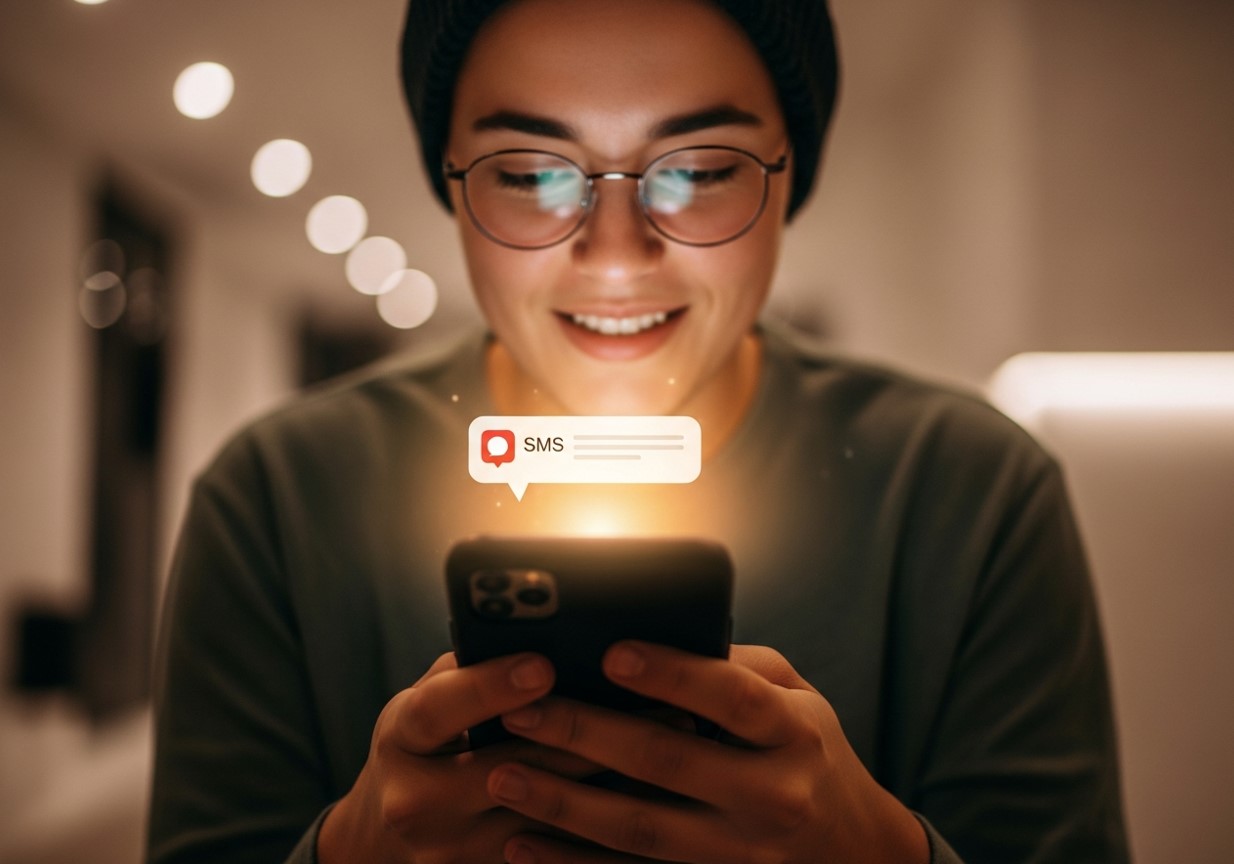
One of the key reasons SMS marketing is so effective—even on a budget—is rooted in human psychology. Text messages are inherently personal; they arrive directly on a device that people constantly check. Unlike email, which often gets buried in crowded inboxes, SMS feels immediate and direct. This immediacy creates a sense of intimacy and urgency.
Psychologically, people are wired to respond quickly to messages that appear personal. Including the recipient’s name, referencing past purchases, or highlighting local events can dramatically improve engagement. Additionally, the brevity of SMS messages aligns with modern attention spans. Consumers no longer want to read long paragraphs; they crave concise, actionable communication. Understanding this behavioral dynamic allows marketers to craft campaigns that feel personal, urgent, and relevant, all without requiring high-budget production.
For insights on emotional connections in marketing, see Emotional Branding: Customer Connections.
Leveraging SMS for Customer Retention
While many marketers focus on SMS for sales or promotions, the platform excels at nurturing long-term relationships. Retaining existing customers is significantly more cost-effective than acquiring new ones, and SMS offers a low-cost way to maintain engagement.
For instance, sending personalized follow-ups after a purchase, offering loyalty rewards, or providing tips for product usage can reinforce customer satisfaction. Even simple messages like a “thank you” or a “we noticed you haven’t shopped with us recently” can strengthen brand loyalty. Because SMS has an average open rate of 98%, these small touchpoints have a disproportionately large impact compared to email or social media campaigns.
Segmenting Your Audience for Maximum ROI
Effective SMS marketing isn’t just about sending messages; it’s about sending the right messages to the right people. Even with a minimal budget, audience segmentation can dramatically improve results.
Segmentation can be based on factors such as purchase history, geographic location, engagement level, or demographic information. For example, a clothing retailer could send cold-weather promotions to subscribers in colder regions while offering summer deals to those in warmer climates. Similarly, loyal customers might receive VIP offers, whereas first-time buyers get introductory discounts. Segmentation ensures that every message is highly relevant, improving conversion rates and reducing unsubscribes—an essential factor for maintaining cost-effective campaigns.
Integrating SMS with Other Marketing Channels
While SMS can perform independently, integrating it with email, social media, and even push notifications can significantly amplify results without extra spend. For instance, an SMS message announcing a flash sale can be paired with an email reminder, a social media post, and website banners. This multi-channel approach increases touchpoints with minimal additional effort or cost.
Another integration strategy is syncing SMS campaigns with loyalty programs or customer portals. For example, sending points updates, reward reminders, or personalized recommendations via SMS ensures that customers stay engaged and continue interacting with your brand across channels. Smart integration allows small budgets to achieve results similar to high-cost campaigns, leveraging existing assets efficiently.
Compliance and Best Practices on a Budget
Budget-friendly SMS marketing doesn’t mean ignoring legal requirements or best practices. Compliance with regulations such as TCPA (Telephone Consumer Protection Act) in the U.S. or GDPR in Europe is critical to avoid fines and protect your brand reputation.
Simple compliance practices include obtaining clear opt-in consent, providing easy opt-out options, and storing subscriber data securely. Transparency also improves trust and increases subscriber retention. Importantly, compliance doesn’t have to be expensive—most SMS platforms include built-in features for managing opt-ins, tracking consent, and automating opt-out requests. A small upfront effort here can save substantial costs and headaches in the long term.
Creative Campaign Ideas on a Budget
Even with minimal investment, creativity can make SMS campaigns stand out. Brands can use storytelling, humor, or interactive elements to engage subscribers. For example, running a text-based contest, sending riddles or polls, or creating serialized mini-stories related to your products can captivate audiences.
Another cost-effective strategy is repurposing content from existing marketing channels. Blog post snippets, social media teasers, or product highlights can be adapted for SMS, providing fresh engagement without extra production costs. Creativity, combined with strategic targeting, allows even small businesses to compete with larger brands in SMS marketing impact.
Measuring and Optimizing SMS Campaigns
Tracking the right metrics is crucial, especially when working with limited resources. Beyond basic open rates and click-through rates, focus on metrics that directly impact revenue, such as conversion rate, average order value, and repeat purchase frequency.
Budget-friendly SMS campaigns often benefit from continuous optimization. Small changes—like testing different send times, altering call-to-action phrasing, or experimenting with personalization—can dramatically improve ROI. Platforms with built-in analytics allow marketers to monitor results in real-time and make data-driven decisions without costly third-party tools. Optimizing campaigns based on performance ensures maximum impact from minimal spending.
Compliance and Best Practices on a Budget
Budget-friendly SMS marketing doesn’t mean ignoring legal requirements or best practices. Compliance with regulations such as TCPA (Telephone Consumer Protection Act) in the U.S. or GDPR in Europe is critical to avoid fines and protect your brand reputation.
Simple compliance practices include obtaining clear opt-in consent, providing easy opt-out options, and storing subscriber data securely. Transparency also improves trust and increases subscriber retention. Importantly, compliance doesn’t have to be expensive—most SMS platforms include built-in features for managing opt-ins, tracking consent, and automating opt-out requests. A small upfront effort here can save substantial costs and headaches in the long term.
Start Your Budget-Friendly SMS Marketing Journey
SMS marketing success doesn’t require a massive budget—it requires strategic thinking and consistent execution. Begin by choosing an affordable platform that meets your basic needs, then focus on building your subscriber list through existing customer touchpoints. Create compelling, concise messages that provide real value, and time your campaigns when your audience is most likely to engage.
Remember that the most expensive SMS marketing mistake is sending irrelevant messages that cause subscribers to opt out. Start small, test your approach, and scale based on what actually works for your audience. With careful planning and smart execution, you can build a profitable SMS marketing program that grows alongside your business without straining your budget.
Frequently Asked Questions (FAQ)
How many messages should I send per month without overwhelming subscribers?
Typically, 2–4 targeted messages per month strike the right balance. Too many messages can lead to unsubscribes, while too few may reduce engagement. Always prioritize relevance over quantity.
Can small businesses compete with larger brands using SMS?
Absolutely. SMS marketing levels the playing field because its personal, direct nature drives engagement that doesn’t require big budgets. Creative, well-timed campaigns can outperform larger brands relying on mass messaging.
Are automated SMS campaigns effective on a small budget?
Yes. Automation saves time and ensures consistent communication without adding labor costs. Even simple workflows like welcome series, birthday messages, or abandoned cart reminders can generate significant ROI.
Is personalization worth the effort for budget campaigns?
Definitely. Personalized messages using names, location, or past purchase data dramatically increase engagement and conversions, even on limited budgets.
What is the biggest mistake to avoid in budget SMS marketing?
Sending irrelevant or untimely messages. Even a low-cost campaign can fail if subscribers don’t see value in the content. Testing, segmentation, and timing are key to success.