SMS marketing is a fast, cost-effective way for businesses to connect directly with customers through high-engagement, real-time messaging.
This guide explains how SMS works, the types of campaigns you can run, compliance requirements, and best practices for success.
By focusing on consent, personalization, and analytics, brands can use SMS to drive conversions and build lasting customer relationships.
Understanding SMS Marketing Fundamentals
SMS marketing works by you sending promotional, transactional, or informational messages directly to customers who have given their consent to receive such messages from you and your business. Unlike email marketing that tends to get lost in the crowd of your email box, text messages demand attention right here and now.
The beauty of SMS marketing is in its simplicity and coverage. Virtually everyone has a mobile phone, and text communication is universal — whether it’s the latest smartphone or a basic feature phone. This broad availability of course makes SMS marketing particularly attractive for industries catering to mixed customer demographics.
Core Elements of SMS Marketing
- Message content: Actionable send text up to 160 characters of regular SMS.
- Subscriber Lists: Managed databases of subscribers who have opted in to receive communications.
- Delivery Infrastructure: Products or services which deliver messages in (or adjacent to) telecommunications networks.
- ALS Compliance Systems: How we achieve what the law and industry best practice require.
How Does SMS Work: The Technical Breakdown
The SMS marketing journey starts with collecting subscribers through website forms, point-of-sale systems, or social campaigns. All contacts must opt-in, often via double opt-in. Once subscribers are collected, campaigns are sent using specialized SMS platforms. For a detailed walkthrough, see How SMS Mobile Marketing Works: Your Complete Guide.
When you have subscribers, you set up campaigns via special SMS marketing platforms. First move from and to Short Message Service Center (SMSC) machine of mobile operators. When you send a campaign, the platform uses these centers to deliver your message to the recipients’ devices.
The whole delivery operation usually lasts for seconds to a few minutes. Contemporary SMS platforms offer instant delivery reports so you can keep track of your campaign on-the-fly as messages land.
Message Routing and Delivery
Between two to three delivery routes are utilized by SMS gateways for performance maximization. With premium routes you get faster delivery and better completion, while standard routes are budget-friendly for non-time-sensitive messages. The service itself picks the best route according to the destination of your message, the type of SMS message being sent and your account’s geographic location.
Advantages That Makes SMS Marketing Must Have
Exceptional Engagement Rates
SMS consistently delivers some of the highest engagement rates of any digital channel. With open rates up to 98%, messages are typically read within three minutes. For insights on why SMS outperforms other channels, check our SMS Marketing 101: How to Reach Customers Instantly. Even more impressive is the speed of engagement—most SMS messages are read within three minutes of delivery. This immediacy makes SMS especially effective for time-sensitive communications such as flash sales, appointment reminders, order updates, and limited-time promotions where quick customer action is critical.
Cost-Effective Customer Reach
SMS marketing offers one of the strongest returns on investment in digital marketing. Each message costs only a few cents to send, yet the engagement levels far exceed many traditional and online advertising channels. This efficiency allows businesses of all sizes to compete on a level playing field. Small and local businesses, including independent retailers and service providers, can reach thousands of customers without the high costs associated with print ads, paid social campaigns, or display advertising. The combination of low cost and high response rates makes SMS a practical and scalable option for sustained growth.
Universal Accessibility
One of the biggest advantages of SMS marketing is its universal reach. Text messages work on virtually all mobile devices, from the latest smartphones to basic feature phones, without requiring apps, internet access, or special software. Unlike other digital marketing channels that depend on device compatibility or platform preferences, SMS ensures consistent delivery across all user demographics. This universal accessibility allows brands to connect with a broader audience and ensures that critical messages reach customers regardless of their device type or technical ability.
Immediate Response Generation
SMS marketing excels at driving fast action because it operates in real time. When customers receive a text message, they are far more likely to act immediately compared to other channels. This makes SMS ideal for promotions that rely on urgency, such as flash sales, last-minute event notifications, limited-stock alerts, and exclusive offers. The concise nature of SMS combined with a clear call-to-action removes friction and encourages quick responses, helping businesses capitalize on impulse decisions and increase conversion rates.
Types of SMS Marketing Campaigns

Promotional Campaigns
These are sales promotions that are typically designed as promotions, coupons, and announcements of new products. Promotional SMS, especially, is effective for instigating an urgency among recipients for a time-bound offer or an offer exclusive to the subscribers.
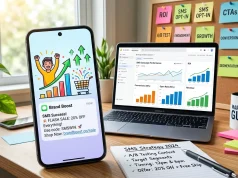
Example: “Flash Sale! 30% off all items today only. Use code FLASH30 at checkout. Shop now: [link]”
Transactional Messages
These include order confirmations, shipping notices, appointment reminders, and account communications. Messages for operational purposes contain important details about current customer accounts and are usually subject to fewer compliance regulations.
Customer Service Communications
SMS provides streamlined customer service with appointment confirmations, service reminders, and service alerts. This leads to less no-shows, as well as, better customer experience and an easier time managing the business.
Loyalty and Retention Campaigns
Use birthday wishes, anniversary promotions, and member exclusivities to keep customers engaged between purchases. And these are campaigns that create lasting value through keeping your brand front and center of potential customers.
Learn How to Use SMS Marketing the Right Way and Avoid Getting Blacklisted
Build Your Subscriber List Organically
Don’t buy SMS lists and don’t add numbers without permission. Have clear, opt-in processes for what people are signing up to and how often it will be repeated and how it can be stopped. Make the value prop clear — special offers, early access, helpful content.
Perfect Your Timing Strategy
Send it during a time you believe the receiver will be at work and open to receiving the message. Don’t run it in the early morning or late evening unless your subscribers are particularly waiting for that time. Think national campaigns and time zones.
Craft Compelling, Concise Messages
Given only 160 characters, each word should be chosen with care. Message that matters: What you are offering, why it is important, how to act. Use compelling calls-to-action that trigger specific behaviors and make it easy for people to take action.
Implement Smart Personalization
Use names of recipients where possible and segment lists according to purchase history, location or preference. Custom messages provide better engagement and better customer relationships.
Test and Optimize Continuously
Try out various message styles, delivery times and calls-to-action. Keep track of performance and tweak your strategy as needed. A/B testing can help you find out what works with your particular audience.
Compliance and Legal Requirements
SMS marketing is regulated to protect consumers. Businesses must obtain express consent before sending messages. Violations can lead to fines up to $1,500 per message. For more guidance, see How to Send Marketing SMS: A Complete Guide.
Essential Compliance Elements
Always involve your business name in your emails so recipients will know who you are upon reaching out. Include explicit opt-out instructions in all advertising materials, such as “Reply STOP to unsubscribe.” Respect opt-out requests as promptly as possible and record opt-out activity.
Different countries have varying regulations. If you are sending messages to other countries, research local laws first. Look at SMS providers who have expertise in compliance and can navigate the landscape.
Selecting the Best SMS Marketing Solution
Critical Features to Evaluate
- Reliable Delivery: Seek products that have permanent carrier connections for reliable high delivery rates
- Analytics and Reporting: Good tracking allows for campaign performance that is indicative of the ROI as well as optimizing for the next campaign
- Lead Lists: Segmentation, Import, Export and Automated List Cleansing Tools for list management
- Integration: Connect to your CRM, email marketing, and e-commerce apps
- Compliance Tools: Consent, opt-outs and regulatory controls out of the box
Platform Selection Considerations
Look for research platforms suited to your organization size, budget and technical needs. Pay attention to things such as pricing plans, level of customer service, scalability and range of coverage if you sell to international markets.
Measuring SMS Marketing Success

Key Performance Indicators
- Delivery Rate: Rate of messages that are successfully delivered to recipients
- Open Rate: The % of people who opened and read your message
- Click-Through Rate: Percentage of people who click links in the messages you send
- Conversion Rate: Folks who actually do the fun things you want them to, like buying stuff
- ROI: Revenue from generated compared to campaign expenses
Optimization Strategies
Track these stats on a regular basis and look for trends. Low engagement rates from a high delivery rate could indicate messaging issues. If you’re getting good open rates but poor conversions maybe your calls-to-action are weak or there’s a problem with your landing page.
4 Common SMS Marketing Mistakes to Avoid
Over-messaging also annoys subscriber and drives higher opt-out. The most effective ones tend to send less than 2-4 promotional messages in a month, while valuing higher-quality messages over higher-quantity ones. Respect for recipients and their inboxes.
Steer clear of the vanilla communication that could be applied to any business. Relevancy and personalization is very important in terms of the engagement. Leverage subscriber data for precise campaigns tailored to what your recipients care about.
Don’t overlook the compliance requirements or consider them optional. Regulatory infractions can lead to heavy fines and may tarnish your business reputation forever.
Future Trends Shaping SMS Marketing

RCS (Rich Communication Services) is broadening the capabilities of SMS by adding images, videos, and buttons. It will open up new possibilities for interactive campaign apps that can compete with app messaging experiences.
AI is making it possible to personalize messages more effectively and predict the best time to send them. Recipients can be analyzed by machine learning algorithms in order to enhance campaign effectiveness by driving down campaign opt-out levels.
There are developing integrations into the other marketing channels. Omnichannel methods that incorporate SMS alongside email, social media, and push messaging deliver a more comprehensive customer experience and greater results.
Your SMS Marketing Success Strategy
SMS marketing provides companies a clear, efficient way to reach customers and increase results. But it all comes down to one simple fact: success comes when you know your audience, respect their preferences, and provide value in personalized, timely communications.
You can start the process by setting clear objectives, and focusing on growing a solid organic subscriber base. Select a reputable platform that has the capacity you would require, you can afford, and do a small test to know how well your audience responds.
Concentrate on your offer being something of real value to the subscriber, whether exclusive, helpful, or simply a timely reminder. Establishing trust with great content leads to long-term customer relationships that will continue to give back for your business.
Keep in mind, SMS marketing works best as part of an integrated marketing strategy. Combine text messaging with your email campaigns, your social media endeavors and your customer service strategy for the most effective blast and consistent brand experience.
SMS marketing is known for its immediacy and high engagement rates, but to truly measure its impact, it’s essential to back your efforts with analytics. If you’re looking to track and optimize your messaging performance, explore our guide on Analytics and Data-Driven Marketing: Your Guide to Success, where we cover key metrics and decision-making tools to improve ROI.
Frequently Asked Questions (FAQ)
Is SMS marketing suitable for small businesses?
Yes, SMS marketing is highly effective for small businesses because it offers low costs, high engagement, and direct communication. Even with a small subscriber list, businesses can generate strong returns by sending timely and relevant messages.
How often should businesses send SMS marketing messages?
Most successful brands limit promotional messages to two to four per month. Transactional and service messages can be sent as needed. The key is maintaining balance so subscribers receive value without feeling overwhelmed.
What is the difference between SMS and MMS marketing?
SMS uses text-only messages limited to 160 characters, while MMS allows images, videos, and richer media. MMS can enhance engagement but usually costs more than standard SMS.
Can SMS marketing work alongside email marketing?
Absolutely. SMS complements email by delivering urgent messages and reminders. Many brands use email for detailed content and SMS for time-sensitive communications.
How long does it take to see results from SMS marketing?
Results can be seen quickly, often within the first campaign. Because SMS messages are read almost instantly, engagement and conversions typically happen faster than with other channels.
Is SMS marketing legal?
Yes, SMS marketing is legal when businesses follow consent and compliance regulations such as TCPA and local laws. Explicit opt-in, clear identification, and easy opt-out options are mandatory.