SMS marketing costs vary by platform, message volume, and features. Understanding pricing helps businesses plan campaigns effectively, control budgets, and achieve better engagement and conversions without overspending.
Introduction to SMS Marketing and Its Costs
In today’s digital-driven world, businesses are constantly looking for efficient ways to engage with customers instantly. Among the most reliable methods, SMS marketing has emerged as a powerhouse for driving engagement, improving conversions, and building loyalty. Understanding SMS Marketing Cost is crucial for any business planning to adopt this strategy because costs can vary widely based on factors such as campaign scale, automation features, and targeting strategies.
SMS marketing allows brands to reach customers directly on their mobile devices, bypassing crowded email inboxes or social media feeds. This immediacy is a major advantage, but it also means companies need to carefully evaluate pricing models to ensure they get a solid return on investment. Knowing the right SMS Marketing Cost upfront helps in budgeting campaigns, comparing platforms, and choosing the best strategy that aligns with marketing goals.
Understanding the Basics of SMS Marketing
Before diving into pricing, it’s essential to grasp what SMS marketing entails. At its core, SMS marketing is sending promotional messages, alerts, or reminders to a list of opted-in mobile users. The simplicity of text messages contrasts with their effectiveness. A well-crafted message can prompt instant engagement, whether it’s a limited-time offer, a flash sale, or a personalized notification.
Businesses often leverage Bulk SMS Marketing to reach thousands of customers simultaneously. Bulk messaging not only reduces time and effort but also impacts the overall SMS Marketing Cost. When you send messages in large volumes, some providers offer discounted rates, making it more cost-effective for businesses with extensive subscriber lists.
Another important aspect is SMS Marketing Automation. Automation enables marketers to schedule messages, segment audiences, and trigger campaigns based on customer behavior. For instance, an eCommerce store can automatically send a discount coupon to users who abandoned their carts. Integrating automation slightly increases the upfront SMS Marketing Cost, but the efficiency and higher conversion rates often outweigh the expense.
Factors That Influence SMS Marketing Cost
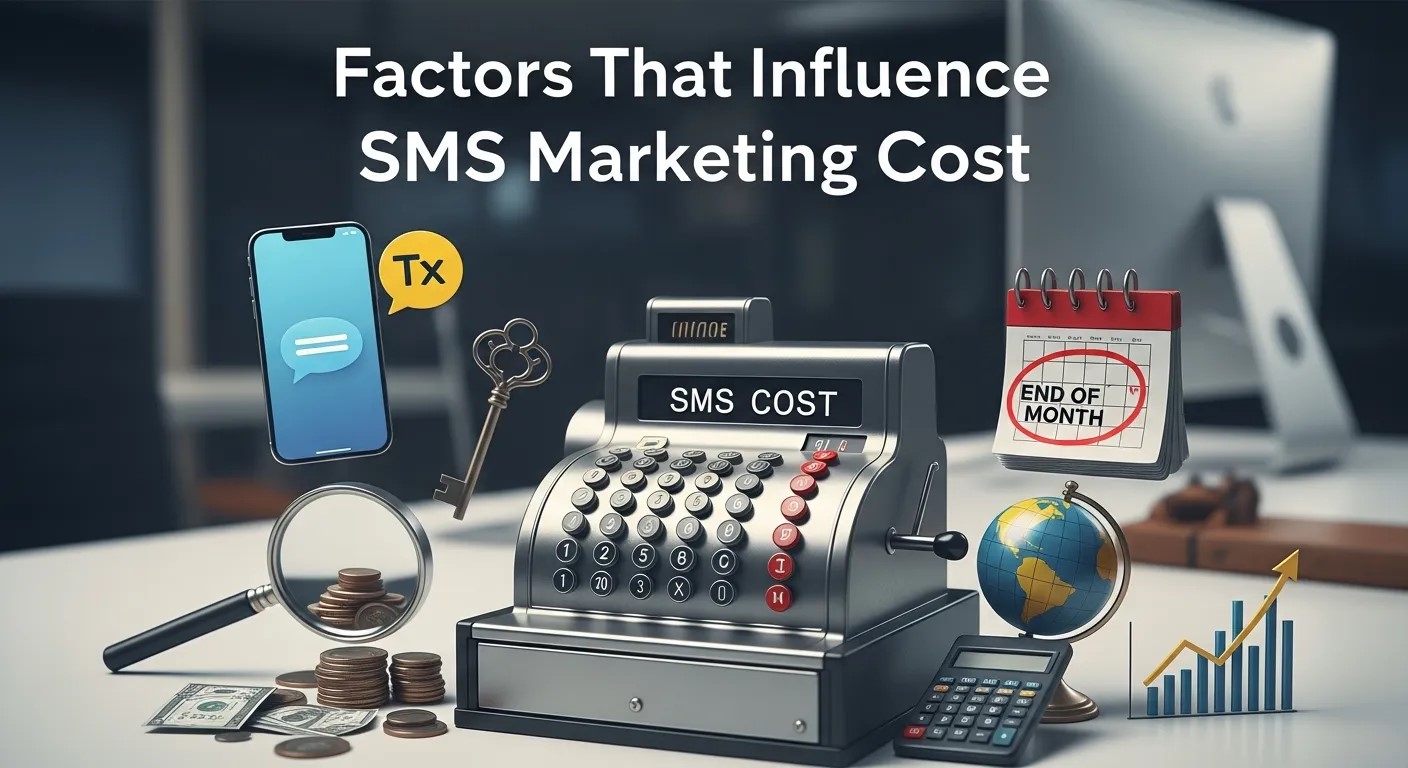
Understanding the different elements that impact pricing can help businesses plan effectively. The SMS Marketing is rarely a flat rate and depends on multiple factors:
Message Volume – The more messages you send, the higher the cost. Many platforms offer tiered pricing, so sending 10,000 messages may cost less per message than sending 1,000.
Type of Campaign – Promotional messages, transactional alerts, or engagement campaigns might have different rates. Sending promotional offers might be priced higher due to compliance and delivery priority.
Automation Features – Platforms offering SMS Marketing Automation tools, advanced analytics, and CRM integrations may charge more.
Targeting and Segmentation – If your campaign requires advanced audience segmentation or personalized content, the SMS Marketing Cost can increase due to the complexity of data handling.
International Messaging – Costs vary significantly by region. Sending messages internationally often costs more than domestic campaigns.
Platform Choice – Different providers structure pricing differently. Some may charge per message, while others offer monthly subscriptions that include a set number of messages.
Additional Features – Advanced reporting, integration with eCommerce platforms, and SMS Retargeting capabilities might also add to the total cost.
Comparing SMS Marketing Cost Across Platforms
When evaluating SMS Marketing Cost, it’s helpful to compare providers. Prices can range from a few cents per message to higher monthly subscription fees with premium features.
| Provider | Pricing Model | Base Cost | Automation Features | International Rates |
|---|---|---|---|---|
| Provider A | Per message | $0.05/msg | Yes | Varies |
| Provider B | Subscription | $50/month for 500 msgs | Limited | Higher cost for intl |
| Provider C | Hybrid | $20/month + $0.03/msg | Advanced | Medium |
| Provider D | Pay-as-you-go | $0.07/msg | Basic | High |
Using this comparison, businesses can estimate their monthly or yearly SMS Marketing Cost depending on campaign scale and features. Providers with SMS Marketing Automation or SMS Retargeting capabilities may have slightly higher fees, but the return on investment (ROI) can be substantial through higher engagement and conversion rates.
Why SMS Marketing Cost is Worth Understanding
Investing in SMS marketing without understanding the costs involved can lead to budget overruns or underperforming campaigns. Businesses must consider both short-term spending and long-term benefits.
Predictable Budgeting: Knowing the expected SMS Marketing allows marketers to allocate funds effectively and avoid unexpected spikes in spending.
Campaign Optimization: Understanding pricing helps in adjusting campaign frequency, segment targeting, or message length to optimize costs.
Maximizing ROI: When combined with strategies like Promote SMS Marketing campaigns or retargeting, businesses can increase customer lifetime value while controlling costs.
Businesses that integrate SMS Retargeting as part of their campaigns often find that the higher initial investment pays off through repeated customer engagement and conversions. Retargeting allows sending follow-up messages to users who have interacted with previous campaigns, making the strategy more efficient and justifying the SMS Marketing Cost.
Detailed Breakdown of SMS Marketing Cost
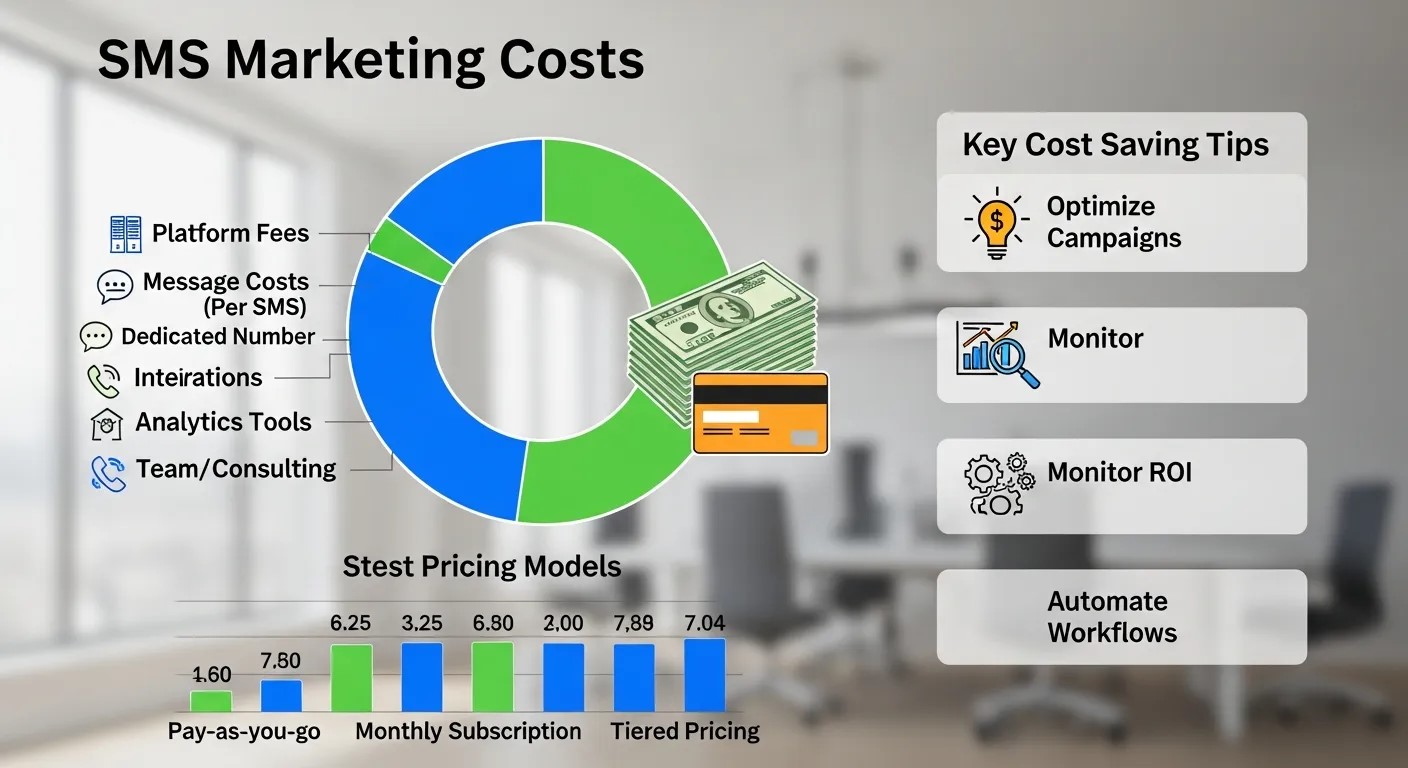
Understanding SMS Marketing Cost in detail helps businesses plan budgets accurately and avoid unexpected expenses. While some platforms advertise low per-message rates, additional features or fees can significantly impact the overall cost.
Per-Message Pricing
Most SMS marketing providers charge based on the number of messages sent. The SMS Marketing Cost per message depends on volume, region, and type of message:
Domestic Messages: Typically range from $0.01 to $0.10 per message.
International Messages: Can range from $0.05 to $0.50 per message depending on the country.
Promotional vs Transactional: Promotional messages often cost slightly more due to marketing regulations and priority delivery.
For businesses sending high volumes of messages, Bulk SMS Marketing can drastically reduce the per-message rate. Many platforms offer discounts for sending thousands of messages in a single campaign, making it a cost-effective strategy for large subscriber lists.
Subscription Plans
Some providers offer monthly subscription models that include a set number of messages. These plans often provide additional benefits, such as:
- Access to SMS Marketing Automation tools
- Advanced reporting and analytics
- Integrations with eCommerce or CRM platforms
For instance, a provider may charge $50/month for 500 messages. If a business sends more messages than included, an extra per-message fee applies. The subscription model can simplify budgeting, as businesses know their base cost upfront while still having flexibility for growth.
Hidden Costs to Consider
While the per-message rate or subscription seems straightforward, several hidden costs can affect your total SMS Marketing Cost:
Setup Fees: Some platforms charge a one-time onboarding fee for account setup or number registration.
Carrier Fees: Certain carriers may charge extra for premium delivery services.
Advanced Features: Tools like SMS Retargeting, analytics dashboards, and integrations can increase monthly costs.
Short Codes or Dedicated Numbers: Businesses using dedicated short codes for branding may face monthly leasing fees.
Understanding these factors allows marketers to make informed decisions and avoid unexpected charges while running campaigns efficiently.
Advanced Features Affecting SMS Marketing Cost
While basic messaging is relatively affordable, advanced tools can influence the SMS Marketing significantly. These features are often worth the investment due to improved engagement and higher ROI.
SMS Marketing Automation
Automation is one of the most valuable aspects of modern SMS campaigns. Platforms offering SMS Marketing Automation enable businesses to:
- Schedule messages in advance
- Send triggered messages based on user actions
- Segment audiences for personalized campaigns
Automation reduces manual effort and increases conversion rates. Although it may increase the upfront SMS Marketing Cost, the efficiency gained often outweighs the additional expense. For example, a triggered cart abandonment message can convert users without constant manual monitoring, saving time and increasing revenue.
SMS Retargeting
Retargeting allows businesses to reconnect with users who have interacted with previous campaigns. SMS Retargeting is particularly effective because it leverages user behavior to deliver timely, relevant messages:
Customers who clicked a link but didn’t complete a purchase can receive a follow-up offer.
Subscribers who opened a previous campaign but didn’t take action can be nudged with personalized content.
While incorporating retargeting can slightly increase the SMS Marketing Cost, studies show higher engagement and conversion rates, making it a strategic investment for ROI-focused campaigns.
Promoting SMS Marketing
Businesses often combine SMS with other channels to enhance reach and conversions. To Promote SMS Marketing, companies may use campaigns that integrate email, social media, and loyalty programs. Multi-channel strategies may slightly increase costs, but the synergistic effect improves campaign effectiveness:
- Driving subscribers from email to SMS campaigns increases engagement.
- Using SMS for flash sales or urgent offers ensures immediate visibility.
- Cross-promotion reduces customer acquisition costs compared to paid advertising.
Cost-Saving Strategies for SMS Marketing
Even with advanced features, businesses can optimize their SMS Marketing Cost without compromising results. Here are proven strategies:
1. Use Bulk Messaging
Bulk SMS Marketing discounts are essential for high-volume campaigns. Sending thousands of messages at once reduces the per-message cost significantly, allowing businesses to reach more customers for less.
2. Optimize Frequency
Sending too many messages can increase costs and annoy subscribers. Optimizing message frequency ensures better engagement and lowers unnecessary spending.
3. Segment Your Audience
Targeted messaging through segmentation reduces waste and improves ROI. By sending personalized offers to specific groups, businesses can lower the number of unnecessary messages while increasing the effectiveness of campaigns.
4. Leverage Automation
Investing in SMS Marketing Automation tools helps streamline campaigns, schedule messages efficiently, and track performance. Automation reduces manual labor costs and ensures messages reach the right users at the right time.
5. Analyze and Adjust Campaigns
Regularly reviewing campaign performance helps businesses reduce wasted spend. Identifying underperforming campaigns or subscriber segments ensures that each message sent contributes positively to revenue.
Comparing SMS Marketing Cost Across Platforms
Selecting the right SMS marketing platform is a critical step for any business. The SMS Marketing Cost varies significantly depending on the provider, features, and pricing model. Comparing platforms helps marketers find a balance between functionality and affordability.
Popular Pricing Models
Pay-As-You-Go:
Businesses pay per message sent.
Ideal for smaller campaigns or irregular messaging schedules.
Per-message rates are usually higher than bulk plans, but there’s no monthly commitment.
Subscription-Based Plans:
Monthly fee includes a set number of messages.
Often includes access to SMS Marketing Automation tools.
Best suited for businesses with consistent messaging needs.
Hybrid Plans:
Combines monthly subscriptions with pay-as-you-go for extra messages.
Offers flexibility and predictable budgeting.
| Platform | Pricing Model | Base Cost | Messages Included | Automation Features | Notes |
|---|---|---|---|---|---|
| Provider A | Pay-As-You-Go | $0.05/msg | N/A | Basic | Best for occasional campaigns |
| Provider B | Subscription | $50/month | 500 msgs | Moderate | Good for small businesses |
| Provider C | Hybrid | $30/month + $0.03/msg | 300 msgs | Advanced | Ideal for growing businesses |
| Provider D | Subscription | $100/month | 1,000 msgs | Full automation | Recommended for enterprises |
Using platforms with SMS Marketing Automation or SMS Retargeting features may slightly increase costs, but they often lead to higher engagement and ROI. Businesses that aim to Promote SMS Marketing effectively often find these features worthwhile for maximizing conversions.
Case Studies: Real SMS Campaign Costs
Analyzing real campaigns provides insight into how SMS Marketing Cost translates into results.
Case Study 1: Retail Flash Sale
- Business: Mid-sized retail store
- Campaign: Flash sale promotion to 5,000 subscribers
- Platform: Subscription plan with automation
- Cost: $75 for 5,000 messages
- Outcome: 15% click-through rate, 8% conversion rate
Using Bulk SMS Marketing, the store reduced per-message cost to $0.015, demonstrating how volume discounts can significantly lower expenses while maintaining high engagement.
Case Study 2: eCommerce Abandoned Cart Recovery
- Business: Online fashion retailer
- Campaign: Automated cart abandonment messages
- Platform: Advanced SMS Marketing Automation
- Cost: $120 for 2,000 messages
- Outcome: 25% recovery rate on abandoned carts
In this example, investing in automation slightly increased SMS Marketing Cost, but it produced measurable ROI by converting users who would have otherwise been lost.
Case Study 3: Event Promotion via Retargeting
- Business: Event management company
- Campaign: Event reminders and follow-up offers
- Platform: SMS Retargeting enabled platform
- Cost: $200 for 3,500 messages
- Outcome: 18% engagement, higher ticket sales
Integrating SMS Retargeting enabled precise follow-ups, justifying the slightly higher SMS Marketing Cost through improved conversions and audience engagement.
How SMS Marketing Cost Impacts ROI
Understanding the relationship between cost and return is essential for any marketing strategy. The SMS Marketing Cost should be evaluated not only in terms of dollars spent but also in terms of revenue generated:
Cost Per Acquisition (CPA):
Calculate how much it costs to acquire a customer through SMS campaigns.
CPA = Total SMS Cost ÷ Number of Conversions
Return on Investment (ROI):
ROI = (Revenue from SMS Campaign − SMS Marketing Cost) ÷ SMS Marketing Cost × 100
Lifetime Value (LTV) Enhancement:
Effective campaigns increase repeat purchases, improving LTV relative to SMS Marketing Cost.
By tracking these metrics, businesses can adjust campaign frequency, target segments, and messaging content to ensure that spending aligns with revenue generation.
Advanced Tips to Manage SMS Marketing Cost
Even when using premium features, costs can be optimized through strategic planning:
Segment High-Value Customers
Targeting customers most likely to engage reduces wasted spend and increases conversions.
Leverage Automated Workflows
Using SMS Marketing Automation ensures timely and relevant messaging, lowering the chance of sending ineffective campaigns.
Schedule Messages Strategically
Sending messages at optimal times improves engagement and reduces unnecessary repeats, which helps manage SMS Marketing Cost.
Monitor Campaign Performance
Analyzing performance metrics allows marketers to identify underperforming campaigns and adjust messaging or targeting accordingly.
Integrate Multi-Channel Marketing
Using SMS alongside email or social media campaigns can enhance overall performance. While this may slightly increase total marketing spend, Promote SMS Marketing strategies often yield higher ROI.
International SMS Marketing Cost and Hidden Fees
When planning global campaigns, businesses must consider international SMS Marketing Cost. Sending messages to subscribers in different countries often costs more due to carrier fees and regional regulations. Rates can vary widely, from $0.05 per message in some regions to $0.50 or more in others.
Additionally, hidden fees may affect the total SMS Marketing Cost:
- Setup Fees: Some platforms charge a one-time onboarding or registration fee.
- Dedicated Numbers: Leasing short codes or dedicated sender IDs may incur monthly fees.
- Premium Delivery: Priority delivery options for urgent messages may add extra charges.
Being aware of these costs allows businesses to plan accurate budgets, avoid surprises, and maximize campaign efficiency.
Long-Term Budgeting for SMS Campaigns
To manage SMS Marketing Cost effectively over time, businesses should:
- Track monthly and yearly spending trends.
- Estimate per-customer acquisition costs and ROI.
- Adjust campaign frequency, segmentation, and automation settings.
- Combine Bulk SMS Marketing, SMS Marketing Automation, and SMS Retargeting strategies to optimize both cost and results.
Strategic budgeting ensures that campaigns remain sustainable while maintaining high engagement and conversions.
Conclusion
Managing SMS campaigns effectively starts with understanding costs and planning strategically. Businesses that carefully consider pricing, choose the right platforms, and leverage tools like automation and retargeting can reach customers efficiently. Thoughtful campaign planning ensures higher engagement, better conversions, and long-term return on investment, all while keeping spending under control. By balancing features and budget, companies can make SMS marketing a powerful and cost-effective channel for growth.
Frequently Asked Questions (FAQ)
What factors influence SMS marketing costs?
SMS marketing costs vary based on message volume, campaign type, automation features, international messaging, and platform choice. Advanced features like retargeting or analytics can also affect pricing.
How can I reduce my SMS marketing expenses?
Businesses can lower costs by sending messages in bulk, optimizing frequency, targeting specific segments, and using automation to improve efficiency.
Are subscription plans better than pay-as-you-go?
Subscription plans offer predictable budgeting and often include automation tools, while pay-as-you-go works well for smaller or occasional campaigns.
Does international messaging cost more?
Yes, sending messages to other countries usually has higher carrier fees, which can increase the total cost.
How do advanced features impact campaign ROI?
Features like automation and retargeting may raise upfront costs but boost engagement, conversions, and overall return on investment.
What is the best way to plan an SMS marketing budget?
Track campaign costs, monitor performance metrics, estimate conversions, and adjust message frequency, targeting, and automation to align spending with results.
Can I integrate SMS marketing with other channels?
Absolutely. Combining SMS with email, social media, or loyalty programs can enhance campaign effectiveness and audience reach.